
If you share your home with a Cavalier, you already know the “cute factor” is dangerously high and so is the temptation to let little habits slide. One day it’s jumping up to say hi, and the next it’s pulling on leash, barking at every sound, or melting down when you leave. 😊
This complete guide to cavalier king charles spaniel training gives you a clear, kind plan you can actually follow, even if you’ve never trained a dog before.
You’ll learn what makes Cavaliers tick, how to use positive reinforcement without “bribing,” and how to build manners step-by-step. You’ll also get puppy vs. adult adjustments, a realistic timeline, and troubleshooting for the most common stuck points.
💡 Why This Matters ?
Cavaliers are famously people-focused, which is wonderful until it turns into clinginess, demand barking, or separation stress. Training isn’t about being strict; it’s about giving your dog predictable rules that reduce anxiety and make daily life smoother. 🧠
With consistent positive reinforcement, you can teach your Cavalier to choose calm behavior because it works for them. That means fewer battles over the leash, fewer accidents in the house, and a dog who can settle when guests arrive.
Set your expectations fairly: Cavaliers are sensitive and thrive on gentle feedback, but they can be distractible and a bit stubborn when cuddles are on the line. Most families see noticeable improvement in 2–4 weeks, with “reliable in real life” skills taking 8–12 weeks of steady practice.
🎓 Section 1: Cavalier King Charles Spaniel Training Foundations
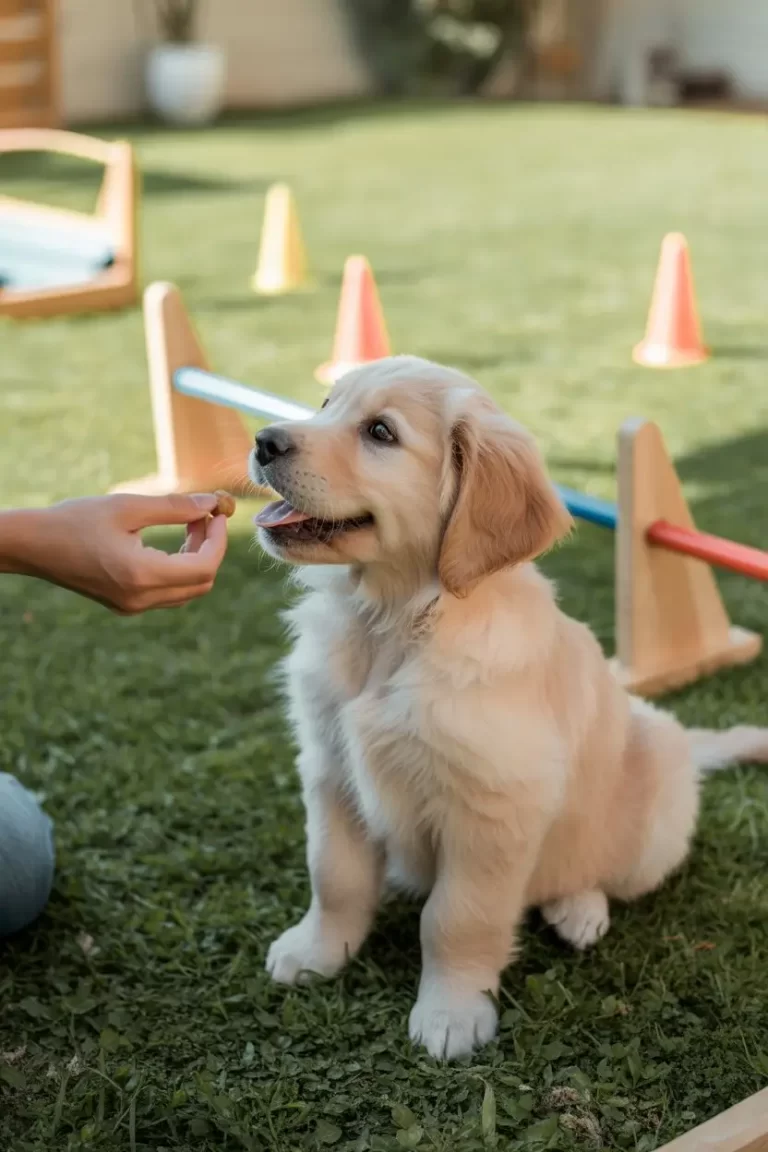
Great cavalier king charles spaniel training starts with three things: rewards your dog cares about, clear timing, and an environment where your dog can succeed. Cavaliers often work beautifully for soft treats, praise, and a quick cuddle—but in busy areas you’ll usually need food rewards at first.
Keep sessions short. Two minutes done well beats fifteen minutes of frustration. Aim for 3–5 mini-sessions per day, especially for puppies.
Equipment helps more than people think, and it’s part of safety too. Cavaliers can have delicate necks, so skip tools that add pressure to the throat.
- Use a well-fitted harness (a front-clip option can reduce pulling)
- Use a 1.5–2 meter leash for learning (avoid retractables during training)
- Use pea-sized treats so you can reward often without stomach upset
- Use a crate or playpen for safe downtime and house-training support
Here are a few practical starter habits that make everything else easier:
- Tip: Mark the exact moment your dog gets it right with a consistent word like
Yes - Feed rewards low and close to your body to encourage calm, not jumping
- Practice in low-distraction rooms before you “test” skills outside
Puppy vs. adult note: puppies need more sleep and more bathroom breaks; adult rescues may need slower trust-building and more time to decompress before expecting perfect manners.
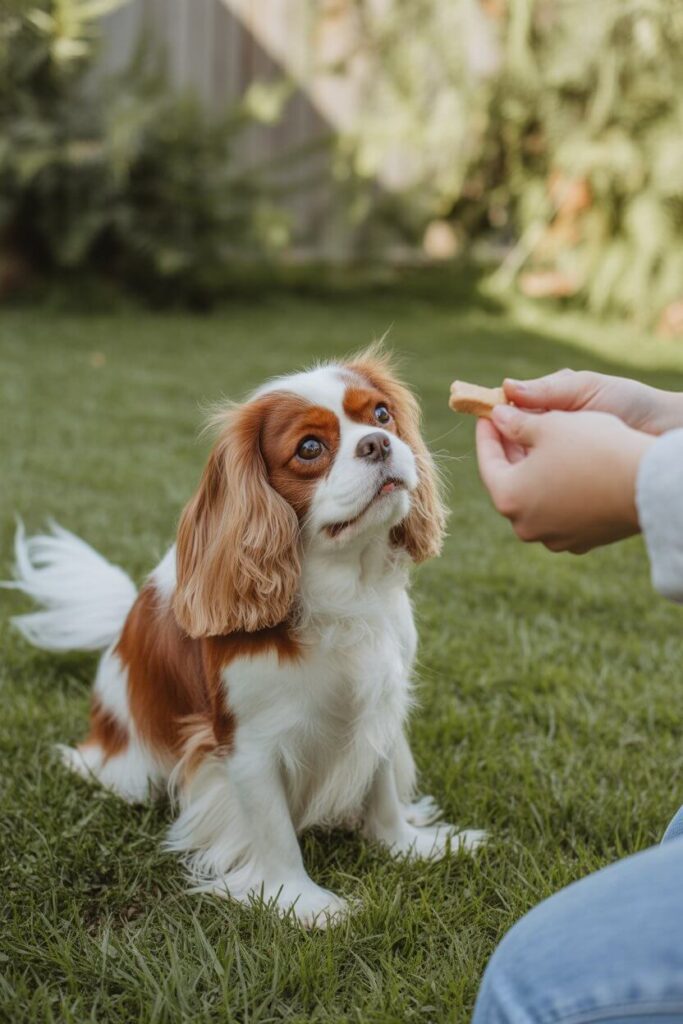
✅ Section 2: Step-by-Step Cavalier King Charles Spaniel Training Plan
This is a simple daily plan you can repeat, expanding difficulty as your dog improves. In cavalier king charles spaniel training, repetition matters—but only if your dog is successful most of the time.
- Start with name response: say your dog’s name once
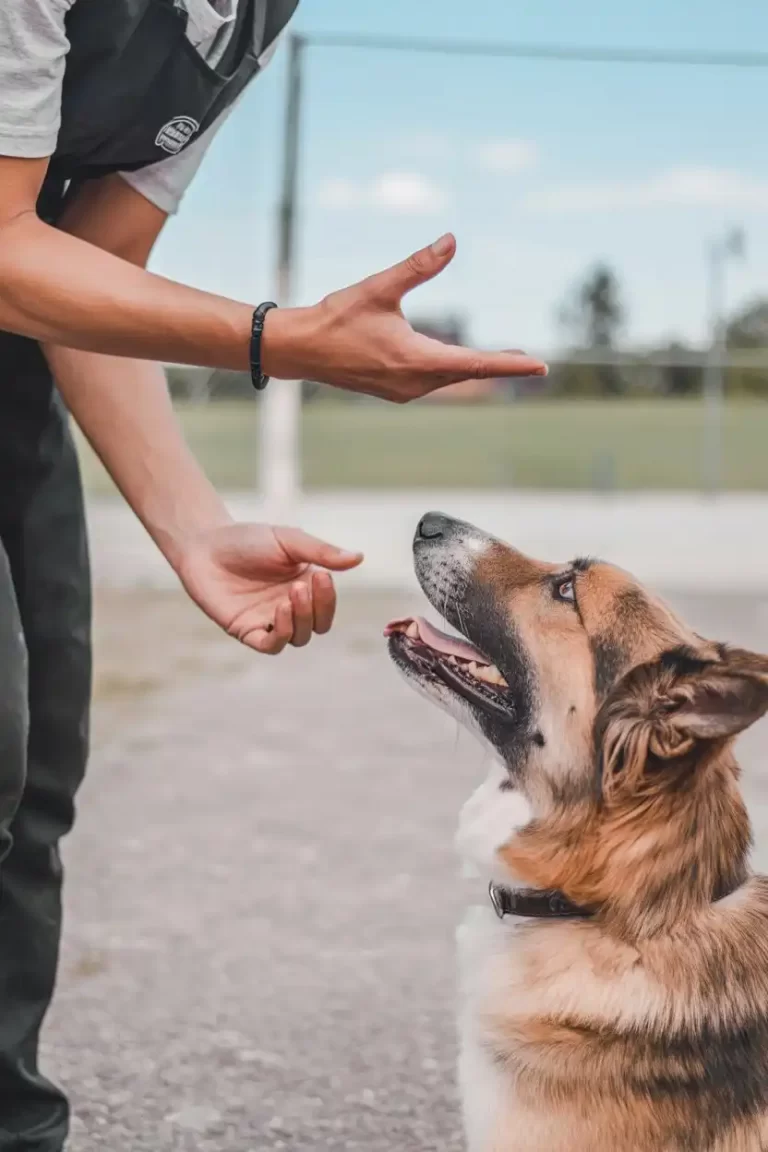
- The moment they look at you, mark (
Yes) and reward - Repeat 5 times, then take a break
Best Pet Training Products We Recommend
Product | Product Name | Rating | See Today’s Price |

| Dog Training Clicker with Wrist Strap | ; | |

| Adjustable No-Pull Dog Harness (Training & Walking) | ; | |

| Pet Training Treat Pouch (Hands-Free Snack Bag) | ; | |

| Interactive Dog Training Toy (Mental Stimulation) | ; | |

| Cat & Dog Potty Training Pads (Super Absorbent) | ; |
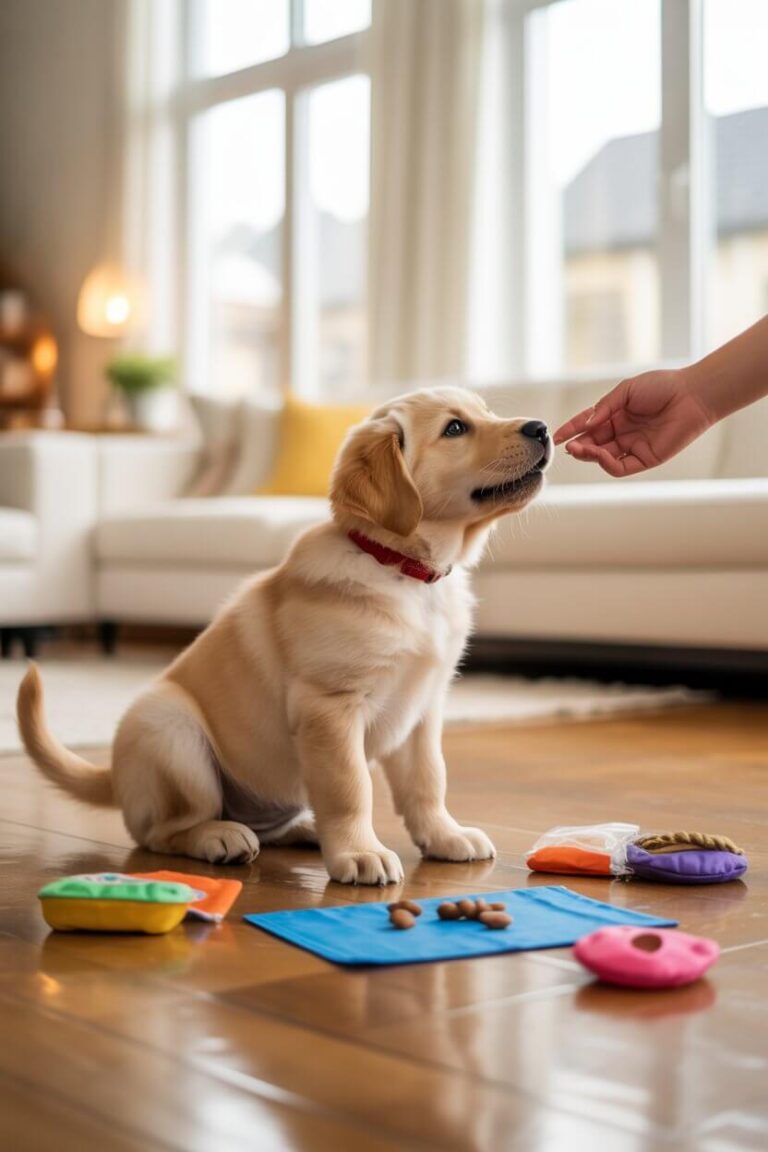
Next, build “sit” the easy way: lure once or twice, then reward the behavior.
- Hold a treat at your dog’s nose
- Slowly lift the treat up and back
- When the butt hits the floor, mark and reward
Now add a tiny “stay” (duration before distance).
- Ask for sit
- Count 1 second, mark, reward
- Gradually increase to 3, 5, 10 seconds
Add “come” as a party game indoors.
- Back up a step, say
Comeonce - When they reach you, reward generously (several treats in a row)
- Release with
All doneand let them wander
Common mistake to avoid: repeating cues like “comecomecome.” If your Cavalier doesn’t respond, you’re not failing—you just need to lower distractions, shorten distance, or increase reward value.
Troubleshooting quick fixes (use these immediately, not later):
- If your dog jumps for treats, reward at knee level and pause attention when paws lift
- If your dog mouths your hand, deliver treats on an open palm or drop them on the floor
- If your dog gets distracted, train right after a potty break and before mealtime
We also recommend you read :
- The Ultimate Reactive Dog Training Tips for Calm Walks
- The Ultimate Agility Training for Dogs Guide (Step-by-Step)
- The Complete Leash Training Puppy Guide for Calm, Happy Walks
- Ultimate tricks to teach your dog: 12 easy wins at home
🏆 Section 3: Advanced Cavalier King Charles Spaniel Training in Real Life
Once basics are smooth indoors, your real goal is “trained everywhere.” This is where cavalier king charles spaniel training becomes about proofing: changing locations, adding mild distractions, and practicing around real-life triggers.
A strong Cavalier skill is “settle” (calm on a mat), which helps with guests, cafés, and evenings at home.
- Place a mat on the floor
- When your dog steps on it, mark and reward
- Gradually reward only when they sit or lie down on the mat
- Add a cue like
Placeonce they’re doing it easily
Add polite greetings to prevent jumping. Teach an incompatible behavior: “sit for hello.”
- Ask visitors to pause if your dog jumps
- Reward the sit heavily, then allow greeting
- Keep greetings short so your dog doesn’t escalate
Safety note: avoid excessive stair running or repetitive high-impact jumping games, especially for young puppies with developing joints. If your Cavalier shows pain signs (yelping, sensitivity around the neck/back, reluctance to jump), pause training and talk to your vet.
Success indicator signs you’re on track:
- Your dog responds to cues on the first ask in familiar places
- Pulling decreases because your dog checks in with you more often
- Your dog can relax on a mat for 1–3 minutes while you move around
Timeline expectations:
- 1–2 weeks: clearer communication, faster name response
- 3–6 weeks: solid sit/down/come indoors, early leash improvement
- 8–12 weeks: reliable manners around moderate distractions (with ongoing practice)
🎥 Video Resource Section
❓ Common Questions
Q: How long does cavalier king charles spaniel training take? 🕒
A: You’ll usually see improvement in 2–4 weeks, but “reliable anywhere” often takes 8–12 weeks of consistent practice.
Q: Are Cavaliers easy to train? 🐾
A: Many are eager and gentle, but they can be distractible and clingy, so short sessions and calm structure work best.
Q: What if my Cavalier won’t come when called? 🚪
A: Practice indoors first, reward heavily, and don’t call for unpleasant things (like nail trims). Use a long line outside for safety.
Q: Should I use punishment to stop barking or jumping? ⚠️
A: Skip harsh methods. Positive reinforcement plus management (distance, calm routines, rewarding quiet/sits) builds lasting behavior without fear.
🎉 Conclusion & Next Steps
With cavalier king charles spaniel training, consistency and kindness beat intensity every time. Focus on short daily sessions, reward the behaviors you want, and raise difficulty slowly as your dog succeeds. 😊
Start this week with name response, sit, and a simple mat “place.” Then add stay and come indoors, and finally proof outdoors with a harness and higher-value treats.
If you want to level up next, teach loose-leash walking and calm greetings as your “real life” skills and keep tracking progress week by week so you can adjust before frustration builds.