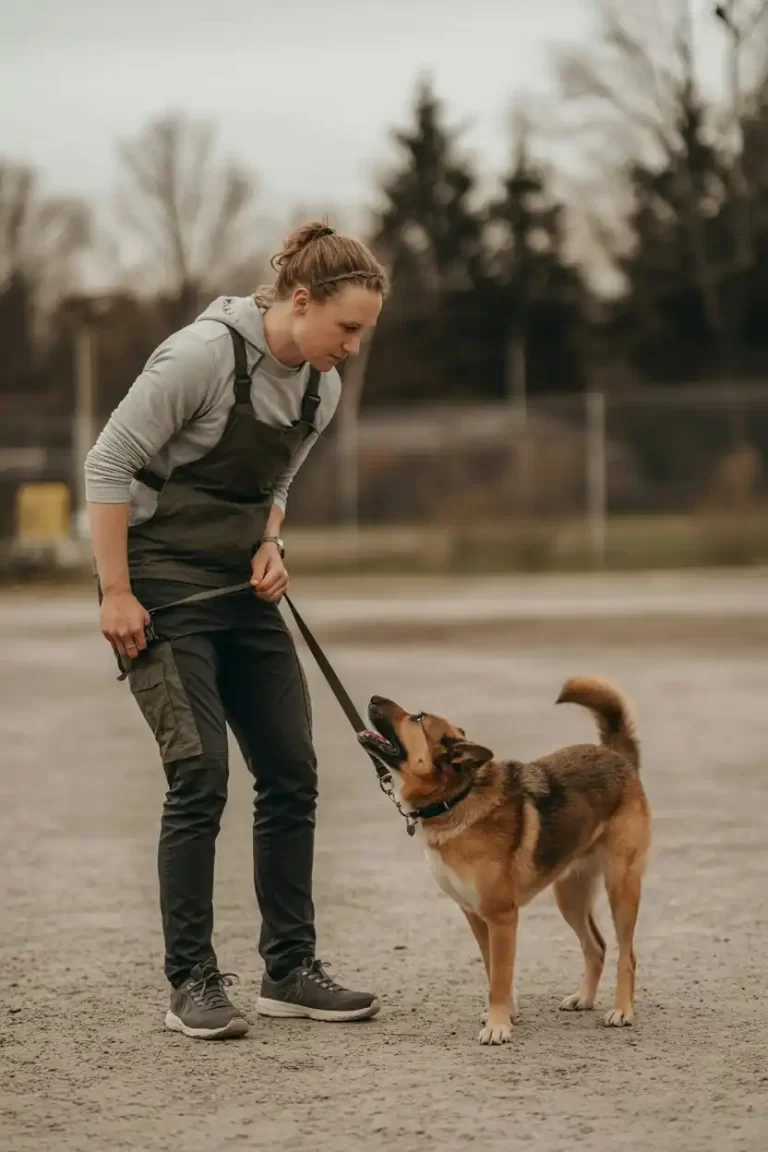

There is arguably no better hiking companion than a dog. Their infectious enthusiasm, the way their ears perk up at the sound of a rustling leaf, and their pure joy at being outdoors can transform a regular trek into a memorable adventure. However, taking your canine best friend into the wilderness involves much more than just grabbing a leash and heading out the door. It requires preparation, specific gear, and a solid understanding of trail etiquette.
If you have been searching for 10 hiking with dogs tips to ensure your next outing is safe and successful, you are in the right place. Many owners underestimate the physical toll a hike can take on a dog or the potential dangers lurking in the brush. From hydration strategies to handling wildlife encounters, being prepared is the difference between a nightmare scenario and a bonding experience.
In this guide, we will cover everything you need to know to hit the trails with confidence. We will break down essential gear, training commands that could save your dog’s life, and recovery tips for after the hike. Whether you have a high-energy Border Collie or a sturdy mix, these tips will help you navigate the great outdoors safely.
Why This Matters for Your Dog 💡
Hiking is one of the most enriching activities you can share with your dog. It provides crucial mental stimulation through new scents and sights, which can significantly reduce anxiety and behavioral issues at home. A tired dog is a good dog, and the physical conditioning provided by navigating uneven terrain builds muscle and endurance that a walk around the block simply cannot match.
However, the wilderness is unpredictable. Without the right knowledge, you risk common frustrations like your dog pulling relentlessly on the leash, getting injured by rough terrain, or overheating. We often see owners carrying exhausted dogs down mountains or panicking because their pup chased a deer into the woods.
By mastering these 10 hiking with dogs tips, you are essentially purchasing an insurance policy for your peace of mind. You will learn to spot signs of fatigue before they become medical emergencies. You will understand how to advocate for your dog when passing other hikers. Most importantly, you will build a level of trust and communication with your dog that strengthens your relationship long after you have left the trailhead.
Section 1: Preparation and Essential Gear 🎒
Before your boots even hit the dirt, the success of your hike is determined by your preparation. This section covers the first three of our 10 hiking with dogs tips, focusing on physical readiness and the equipment that keeps your dog safe.
1. The Vet Check and Physical Conditioning
Just because your dog has energy in the living room doesn’t mean they are ready for a five-mile incline. Before attempting a strenuous hike, schedule a check-up with your vet, especially for puppies or senior dogs. Puppies have open growth plates, and excessive hiking can cause long-term joint damage.
- Actionable Tip: Start small. If your dog usually walks 30 minutes a day, don’t jump to a 4-hour hike. Increase distance by no more than 10-15% per week.
- Success Indicator: Your dog recovers quickly after a walk and shows no signs of limping or excessive panting.
2. Invest in a High-Quality Harness
Walking a dog on a collar during a hike is a major safety risk. If your dog lunges at wildlife or slips on a rock, a collar can cause severe neck injury. A sturdy harness with a handle on the back is essential. The handle allows you to lift or assist your dog over large boulders or fallen logs.
- Gear Recommendation: Look for a “Y-front” harness that allows full shoulder movement and has reflective trim for visibility.
- Mistake to Avoid: Never use a retractable leash on a hike. They offer zero control in emergencies and the thin cord can snap or cause burns if wrapped around legs.
3. The ID and Microchip Audit
Even the most well-behaved dogs can get spooked and bolt. If you are miles from home, a lost dog is a terrifying reality. Ensure your dog’s collar has a tag with your current phone number. More importantly, verify that their microchip information is up to date in the national registry.
- Actionable Tip: Add a temporary tag to their harness with the address of your campsite or Airbnb if you are traveling out of town.
- Safety Note: Snap a clear photo of your dog on the morning of the hike. If they go missing, you have a current photo to show rangers or other hikers.
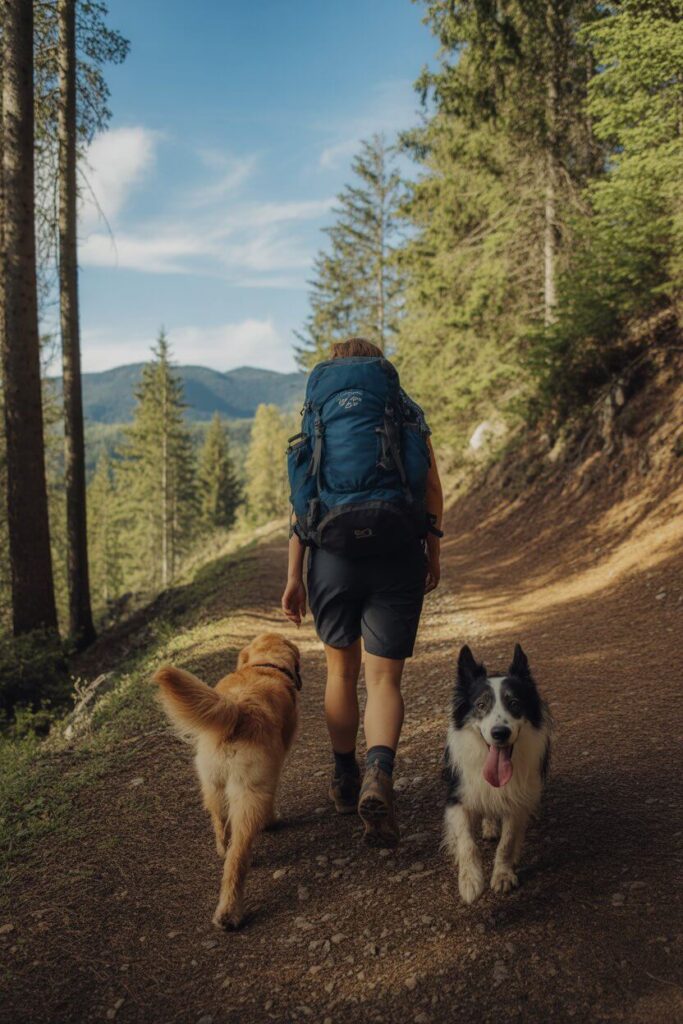
Section 2: Trail Etiquette and Safety Rules ✅
Once you are on the trail, the dynamic changes. You are sharing space with nature, wildlife, and other hikers. Tips 4 through 7 of our 10 hiking with dogs tips focus on how to manage your dog’s behavior and physical needs while moving.
4. Master the “Yield” Technique
Trail etiquette dictates that hikers coming uphill have the right of way, but dog owners should generally yield to everyone. Not all hikers love dogs, and narrow trails can cause tension. When you see someone approaching, step off the trail, put your dog in a “Sit-Stay,” and let them pass.
- Actionable Tip: Use high-value treats to reward your dog for looking at you rather than the passing hiker. This is known as the “Engage-Disengage” game.
- Why it works: This prevents leash tangles and keeps your dog calm, reinforcing that passing strangers is a non-event.
5. Hydration and Fuel Management
Dogs do not cool down as efficiently as humans. They rely on panting and sweating through their paws. Dehydration can set in fast. You should carry enough water for both of you, plus extra. A collapsible bowl is a non-negotiable item in your pack.
- Actionable Tip: Offer water every 30-45 minutes, even if your dog doesn’t seem thirsty. Pour a little on their paws to help cool them down.
- Mistake to Avoid: Do not let your dog drink from stagnant puddles, ponds, or slow-moving creeks. These often contain Giardia or Leptospirosis bacteria which can make your dog violently ill.
Best Pet Training Products We Recommend
Product | Product Name | Rating | See Today’s Price |

| Dog Training Clicker with Wrist Strap | ; | |

| Adjustable No-Pull Dog Harness (Training & Walking) | ; | |

| Pet Training Treat Pouch (Hands-Free Snack Bag) | ; | |

| Interactive Dog Training Toy (Mental Stimulation) | ; | |

| Cat & Dog Potty Training Pads (Super Absorbent) | ; |
6. Paw Protection and Terrain Awareness
Rough granite, hot sand, and sharp shale can shred your dog’s paw pads. In the summer, rock surfaces can reach blistering temperatures. Before the hike, condition your dog’s paws by walking on pavement, or invest in dog booties.
- Actionable Tip: Carry “Musher’s Secret” or a similar paw wax. Apply it before the hike to create a barrier against ice, salt, or hot sand.
- Success Indicator: Check paws periodically. If you see flap of skin or redness, it is time to turn back immediately.
7. Wildlife Respect and Restraint
Your dog is a predator in the eyes of a squirrel, but prey in the eyes of a bear or mountain lion. Keeping your dog on a standard 6-foot leash is the best way to prevent wildlife conflict. If you are in an off-leash designated area, your recall must be 100% reliable.
- Actionable Tip: Attach a bear bell to your dog’s pack if you are in bear country. The noise alerts wildlife to your presence, preventing startle responses.
It is also recommended to read :
15 Fun Things to Do for Your Dogs Birthday
Master Indoor Fun: 7 Things to Do With Your Dog at Home Today
7 Traveling With Dogs In Car Ideas: The Complete Safety & Fun Manual
Section 3: Advanced Training and Emergency Prep 🏆
The final section of our 10 hiking with dogs tips covers the advanced skills and emergency protocols that separate the novices from the experts. Tips 8 through 10 are about control and medical readiness.
8. The Rock-Solid Recall
If you plan to hike off-leash (where legal), “Come” is not a suggestion; it is a command. A reliable recall can stop your dog from running off a cliff edge or approaching a porcupine. Practice this with a long line (30-50 feet) before ever unclipping the leash.
- Actionable Tip: Use a specific, high-pitched whistle for emergency recall. The sound carries further than your voice and cuts through wind or river noise.
- Success Indicator: Your dog turns immediately upon hearing the whistle, even with distractions present.
9. The “Leave It” Command
Trails are full of forbidden snacks: animal droppings, poisonous mushrooms, discarded food wrappers, and snakes. The “Leave It” command tells your dog to ignore the item and look at you.
- Step-by-Step:
- Hold a treat in a closed fist. Let the dog sniff.
- Wait for them to pull away or stop sniffing.
- Say “Yes!” and reward with a treat from the other hand.
- Progress to dropping items on the floor and blocking them until the dog looks at you.
10. Carrying a Canine First Aid Kit
You likely have bandaids for yourself, but do you have Vet Wrap? Human bandages won’t stick to fur. A canine-specific kit should be in your pack on every hike.
- Kit Essentials:
- Vet Wrap (self-adhering bandage)
- Tweezers (for tick removal or thorns)
- Antihistamine (Benadryl – check dosage with your vet) for bee stings
- Antibiotic ointment
- Styptic powder (to stop nail bleeding)
- Actionable Tip: Watch a video on how to bandage a dog’s paw properly. It is the most common injury on the trail.
Video Tutorial Guide 🎥
Frequently Asked Questions ❓
Q: How far can my puppy hike?
A: A general rule of thumb is 5 minutes of exercise per month of age, twice a day. For hiking specifically, keep it very short and flat until they are fully grown (12-18 months for larger breeds) to protect their joints.
Q: Should my dog carry their own backpack?
A: Yes, healthy adult dogs can carry packs! However, the total weight should never exceed 10-15% of their body weight. Start with an empty pack to get them used to the sensation before adding water bottles or food.
Q: What should I do with my dog’s poop bags on the trail?
A: You must pack them out. Leaving biodegradable bags on the side of the trail to “pick up later” is bad etiquette and harmful to the environment. We recommend carrying a designated “smell-proof” container or a specialized waste bag carrier attached to your backpack.
Q: My dog loves to chase squirrels. Can I still hike with them?
A: Absolutely, but keep them on a non-retractable leash at all times. Use a harness to prevent neck injury if they lunge. Focus heavily on training the “Look at Me” command to break their fixation on wildlife.
Conclusion & Your Next Steps 🎉
Hiking with your dog is a journey, not just a destination. By implementing these 10 hiking with dogs tips, you are setting the stage for years of safe, happy adventures. Remember that preparation is key—from the physical conditioning to the first aid kit in your pack.
Don’t feel pressured to master all ten tips overnight. Start by getting the right gear and working on your “Leave It” command in your backyard. Once you feel confident, hit a short, local trail and build up from there. The bond you will build as you navigate the wilderness together is unlike anything else.
So, grab that harness, fill up the water bottles, and get out there! The trails are calling, and your four-legged best friend is ready to go. Happy hiking! 🌲🐾