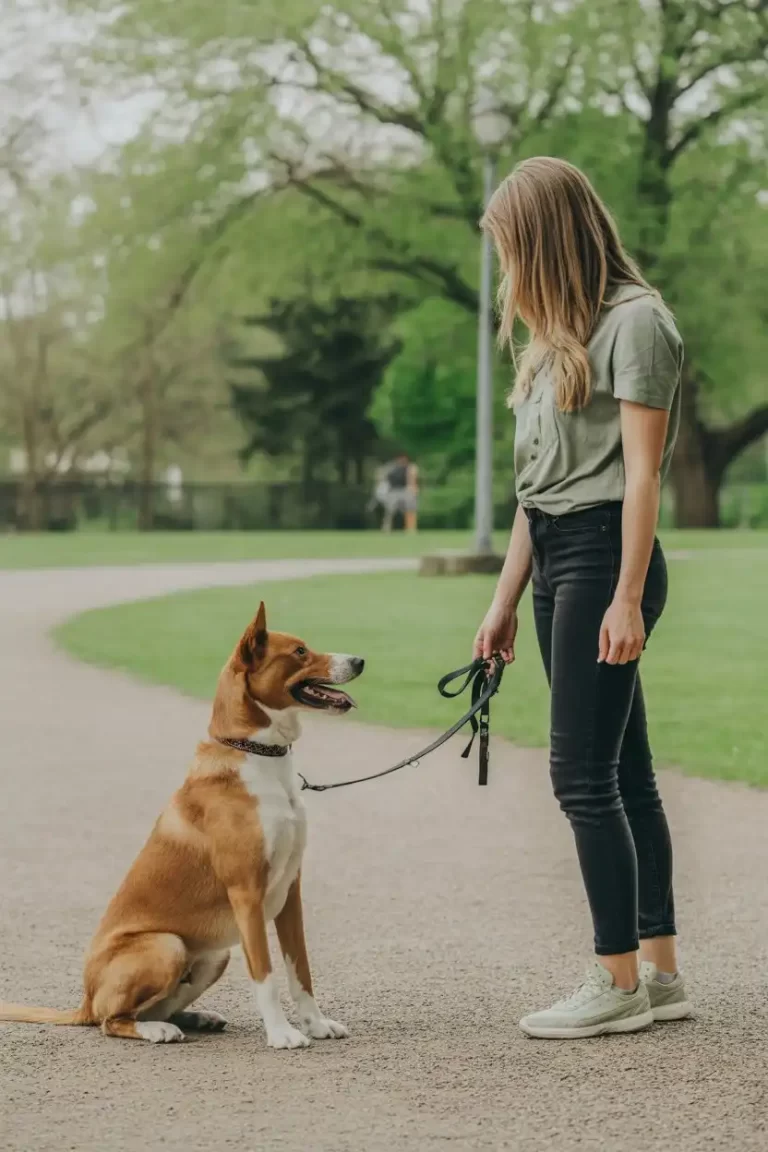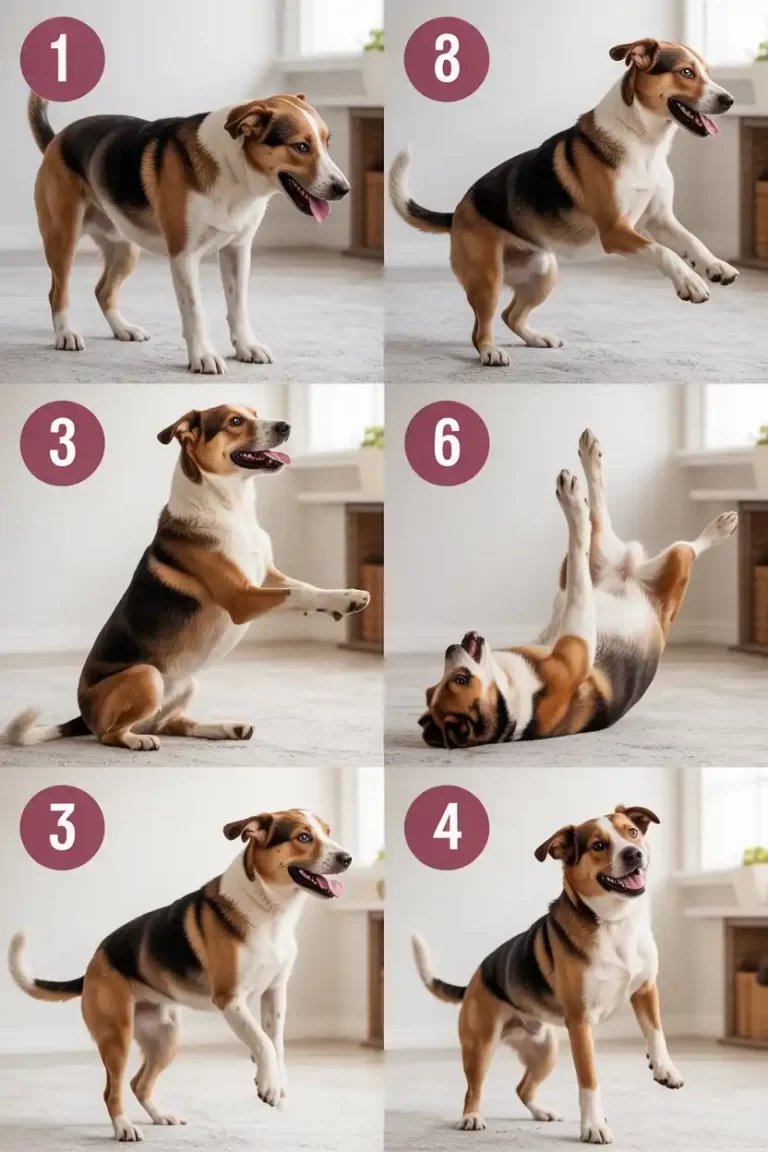

If your dog “knows” the rules but suddenly acts like they’ve never heard their name, you’re not alone. Many owners search for realistic “5 ways to train disobedience dog” methods because daily life can feel like a constant negotiation—especially when your dog ignores come, drags on the leash, or grabs food off the counter. 😅
The good news is that “disobedience” is usually a training gap, not a character flaw. Your dog might be confused, overstimulated, under-motivated, or accidentally rewarded for ignoring you. With a few consistent changes, you can turn chaos into cooperation.
In this guide, you’ll learn five practical ways to rebuild listening skills using positive reinforcement, clear boundaries, and simple routines. You’ll also get equipment tips, puppy vs. adult dog adjustments, a realistic timeline, and troubleshooting for the most common setbacks.
💡 Why This Matters
Living with a dog who won’t listen is stressful. It can make walks miserable, guests uncomfortable, and even create safety risks if your dog bolts toward a street or refuses to drop something dangerous. The goal of the 5 ways to train disobedience dog approach is not to “win” against your dog, but to build reliable communication.
Training gives you freedom. When your dog responds quickly, you can take them more places, trust them off-leash in safe areas, and handle emergencies with confidence. You also reduce problem behaviors that often come from frustration, boredom, or unclear expectations. 🧠
Set a kind, realistic expectation: you’ll often see small improvements in 7–14 days with daily practice, but dependable reliability typically takes 6–8 weeks. Your dog is learning a skill, and skills take reps.
🎓 Section 1: 5 ways to train disobedience dog begins at home 🏠
Before you fix “not listening,” you need to make listening easy. Start in a low-distraction room, then gradually add difficulty. This is where most training fails—people jump straight to the park and expect perfect obedience.
Your foundation is rewarding the behaviors you want so your dog chooses them again. Use tiny, soft treats for speed. For puppies, keep sessions shorter because their focus is limited, often 2–5 minutes. For adult dogs, you can do 5–10 minutes, but still stop while it’s going well.
Practical setup tips that make a huge difference:
- Use a treat pouch so rewards are instant
- Train before meals so your dog is more motivated
- Pick one cue word per behavior (avoid repeating yourself)
Three simple at-home drills:
- Name game: Say your dog’s name once, reward eye contact
- Marker training: Use a clicker or a “yes” word to mark success
- Mat settle: Reward your dog for lying calmly on a bed or mat
A common early goal is clarity. If your dog understands exactly what earns rewards, “disobedience” often drops fast.
✅ Section 2: Step-by-step 5 ways to train disobedience dog listening 📋
Here are five proven ways to train a disobedient dog that you can rotate through daily. Keep the mood light, and aim for many small wins.
- Stop repeating cues
Saysitonce. If your dog ignores you, pause 2 seconds, then guide or reset and try again at an easier level. Repeating teaches your dog that the first cue doesn’t matter. - Reward fast responses
Pay more for quicker responses. If your dog comes immediately, give a jackpot of 3–5 treats. If they come slowly, reward, but less. - Use a leash “backup plan”
For recall and outdoor practice, clip a 5–10 meter long line to a harness. This keeps your dog safe while you train. Avoid retractable leashes because they encourage pulling and reduce control. - Train around distractions in layers
Add distractions like this: distance first, then duration, then difficulty. Move farther away from triggers so your dog can succeed. - Make the right choice easy
Manage the environment. If your dog counter-surfs, block access. If they steal socks, use closed doors and give legal chew toys.
Mistakes to avoid (these slow progress):
- Punishing after your dog comes to you
- Training too long and pushing past your dog’s focus
- Practicing only when you’re already frustrated
If you want one tip to remember: make training easier than the environment, then slowly raise the challenge.
🏆 Section 3: Advanced 5 ways to train disobedience dog in real life 🌳
Once your dog listens at home, you’ll “proof” the behaviors in real situations. Proofing means your dog can do the same cue with different distractions, locations, and distances.
Real-world practice ideas:
- Practice
comebetween two people in a hallway, then a yard, then a quiet park - Ask for
sitbefore meals, before leashing up, and before greetings - Use “permission-based” life rewards like sniffing, greeting, or going outside
Success indicators to look for:
- Your dog responds to the first cue 8 out of 10 times at home
- Your dog checks in (eye contact) on walks without you asking
- Your dog recovers faster after distractions
⚠️ Troubleshooting common issues
If your dog listens at home but not outside, you don’t have a stubborn dog—you have a distraction gap. Move farther from triggers, raise treat value, and shorten sessions.
If your dog gets mouthy or frantic, pause training and add calm enrichment like a lick mat or stuffed food toy. For puppies, this often signals overtiredness.
If you see growling, snapping, or resource guarding, prioritize safety and contact a qualified trainer or behavior professional. A safety plan matters more than speed.
🎥 Video Tutorial Guide
❓ Common Questions
Q: How long does it take to fix disobedience? ⏳
A: Many dogs improve in 1–2 weeks with daily practice, but reliable obedience often takes 6–8 weeks.
Q: Should I use treats forever? 🍗
A: You’ll use treats heavily at first, then shift to variable rewards and real-life rewards like sniffing or play.
Q: My dog only listens when I have treats—what now? 🎓
A: Hide treats in pockets, reward unpredictably, and add praise or toys. You’re building a habit, not bribing.
Q: Is this different for puppies vs adult dogs? 🐾
A: Puppies need shorter sessions and more naps. Adult dogs may have stronger habits, so consistency matters even more.
🎉 Conclusion & Next Steps
The best “5 ways to train disobedience dog” plan is built on calm repetition, smart rewards, and realistic steps—not yelling or constant corrections. Start at home, reward fast responses, and use management tools like a harness and long line so you can practice safely. ✅
Choose one method to focus on for the next 7 days, track your dog’s response rate, and slowly add distractions only when your dog is winning. If you want to level up, begin proofing cues in new places and mixing in longer stays and calmer greetings.
If you’d like, tell me your dog’s age and the top two “disobedient” behaviors, and I’ll map the 5 ways to train disobedience dog approach into a 14-day plan.