

The relationship between animals and plants is the foundation of the terrestrial food web. Herbivores, ranging from the smallest insects to massive elephants, rely entirely on plant matter to fuel their bodies, grow, and reproduce. This dietary category encompasses grazers, who feast on low-lying vegetation like grasses, and browsers, who select leaves and shoots from trees and shrubs. Understanding what animals eat is crucial not only for zoologists and ecologists but also for farmers, pet owners, and wildlife enthusiasts who want to ensure the health of the creatures under their care.
Plants provide carbohydrates, proteins, fiber, vitamins, and minerals essential for animal health. However, not all greens are created equal. Some, like alfalfa and clover, are nutrient-dense powerhouses used to fatten livestock, while others, like bamboo, are highly specialized niches for specific species like the giant panda. In agriculture, crops like corn, wheat, and oats form the backbone of animal feed systems worldwide.
This guide explores ten of the most significant plants consumed by animals, detailing their nutritional benefits and the specific creatures that depend on them for survival.
Grass
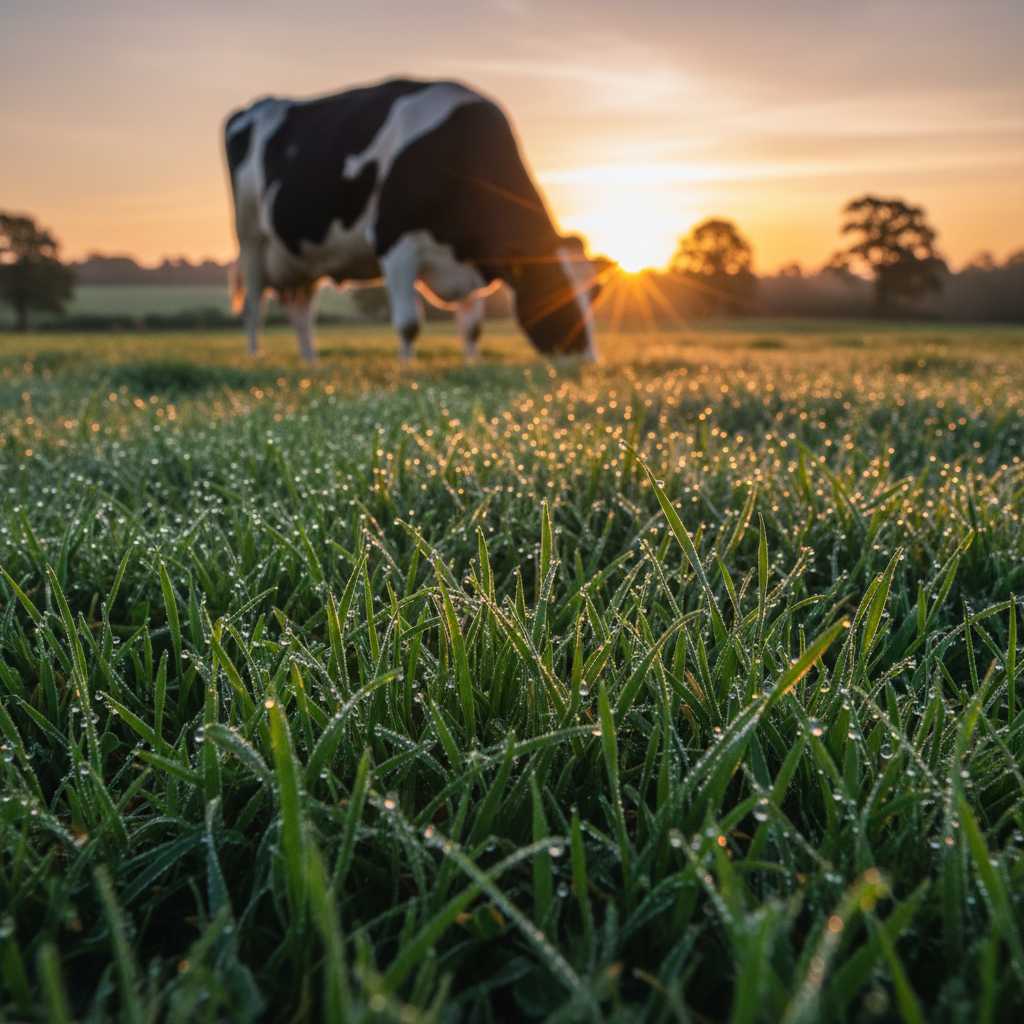
Grass is the most ubiquitous food source for herbivores worldwide, forming the staple diet for ruminants like cows, sheep, and goats, as well as hindgut fermenters like horses. It provides essential fiber that maintains digestive health and offers a steady supply of energy. In the wild, vast savannahs and meadows support herds of deer, bison, and zebras, all dependent on the seasonal cycles of grass growth.
Details
| Feature | Details |
|---|---|
| Primary Consumers | Cows, sheep, horses, bison, zebras |
| Key Nutrients | Fiber (Cellulose), Carbohydrates, Protein (varies by season) |
| Common Varieties | Ryegrass, Bermuda, Fescue, Timothy |
| Digestibility | Moderate; requires specialized digestive systems (rumen or cecum) |
Steps/Instructions
- Assess Growth Stage: Ensure the grass is in the vegetative state rather than the seed-head stage for maximum nutritional value.
- Manage Grazing: Rotate animals between pastures to prevent overgrazing, which damages root systems and reduces future yield.
- Monitor Soil Health: Test soil pH and nutrient levels annually to ensure the grass absorbs the necessary minerals for animal health.
- Supplement if Necessary: In winter or droughts, supplement fresh grass with hay or silage to maintain calorie intake.
Alfalfa
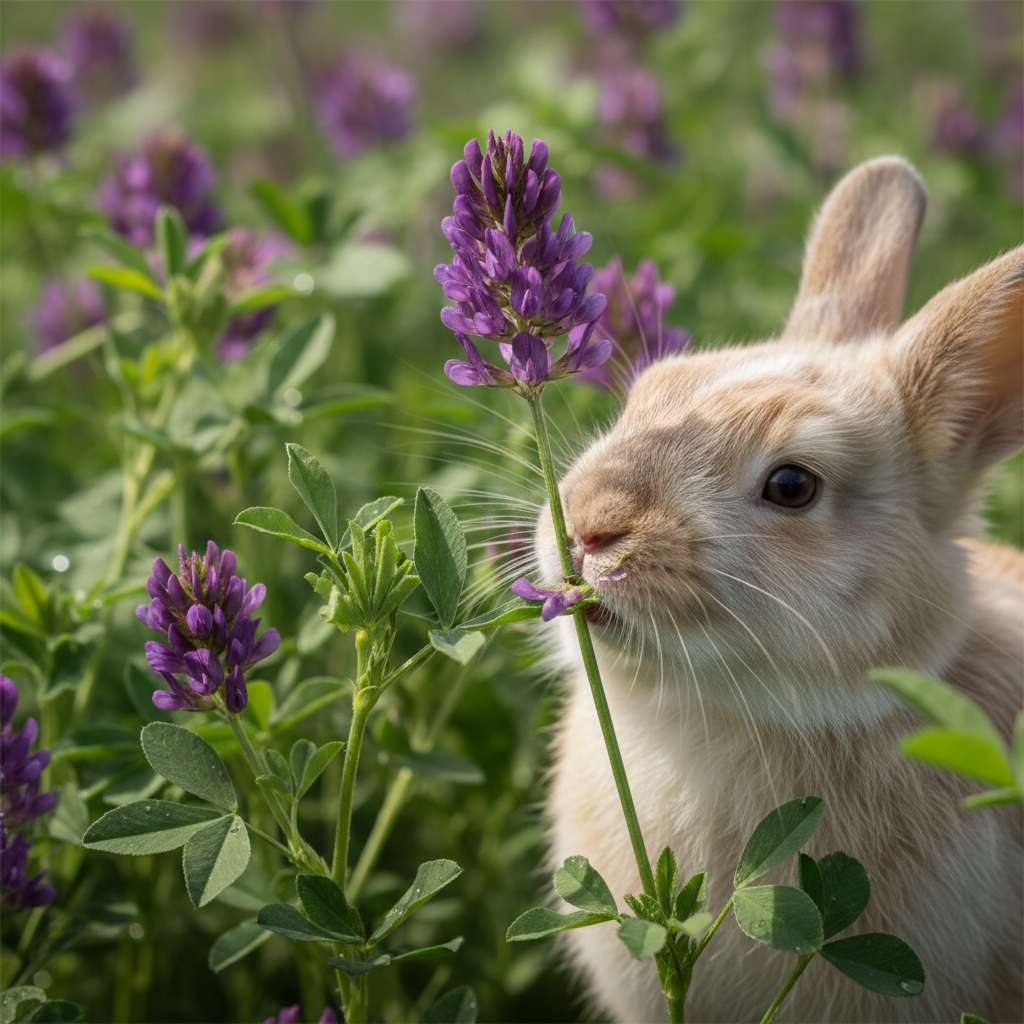
Known as the “Queen of Forages,” alfalfa is a legume prize for its high protein content and rich mineral profile, including calcium and magnesium. It is a favorite for dairy cows, growing rabbits, and horses that require extra energy. Unlike standard grass, alfalfa fixes nitrogen in the soil, making it beneficial for the land as well. Its deep root system makes it drought-resistant, providing a reliable food source in arid climates.
Details
- Type: Perennial Legume
- Protein Content: 15-22% (High)
- Key Minerals: Calcium, Magnesium, Potassium
- Target Animals: Dairy cattle, lactating goats, young horses, rabbits
- Warning: Can cause bloat in ruminants if introduced too quickly.
Steps/Instructions
- Introduce Slowly: Mix alfalfa with grass hay gradually over 7–10 days to allow the animal’s gut bacteria to adjust to the richness.
- Inspect for Mold: Check dried alfalfa flakes carefully for white dust or mold, which can be toxic to horses.
- Feed by Weight: Measure portions by weight rather than volume, as alfalfa is denser and calorie-rich compared to grass hay.
- Monitor Calcium Intake: Ensure the calcium-to-phosphorus ratio remains balanced, especially for male goats prone to urinary calculi.
Clover
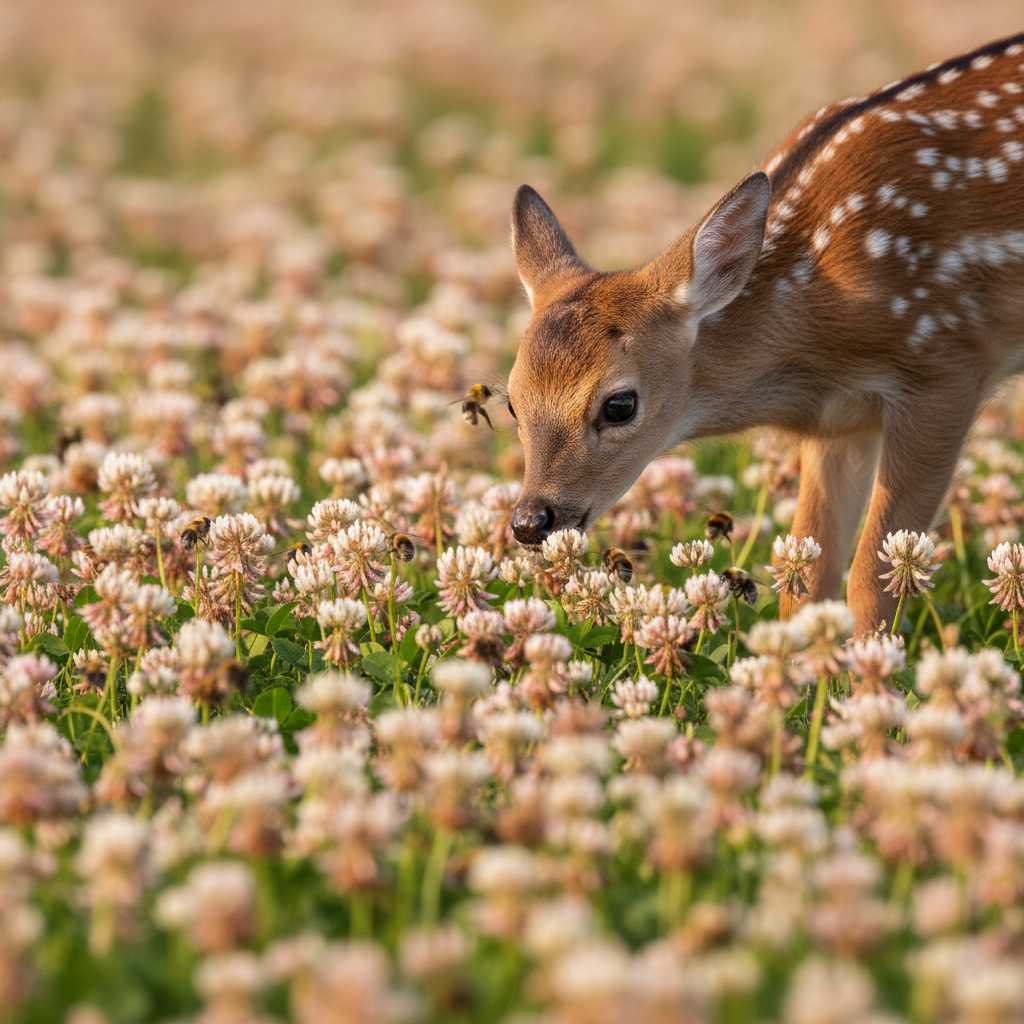
Clover is a sweet, palatable legume often found interseeded in pastures. It is eagerly eaten by livestock, deer, and rabbits due to its high digestibility and sugar content. Red and white clover are the most common varieties used in agriculture. While it is an excellent source of protein and energy, farmers must manage it carefully, as an excessive intake of lush, wet clover can lead to potentially fatal bloating in cattle.
Details
Clover is characterized by its trifoliate leaves and flower heads which range from white to deep purple.
Nutritional Profile:
- High in metabolizable energy.
- Rich in Vitamins A and E.
- Contains phytoestrogens (which can affect breeding in sheep if consumed in excess).
Best For: Finishing lambs, lactating cows, and wild foragers like deer.
Steps/Instructions
- Check Moisture Levels: Avoid letting animals graze on lush clover early in the morning when it is wet with dew to reduce bloat risk.
- Interseed with Grass: Plant clover alongside orchard grass or fescue to provide a balanced diet and prevent soil erosion.
- Observe Animal Behavior: Watch for signs of excessive salivation (slobbers), which can be caused by a fungus that sometimes grows on red clover.
- Harvest at Bloom: If cutting for hay, mow when the clover is in early bloom to balance yield with leaf retention.
Corn (Maize)
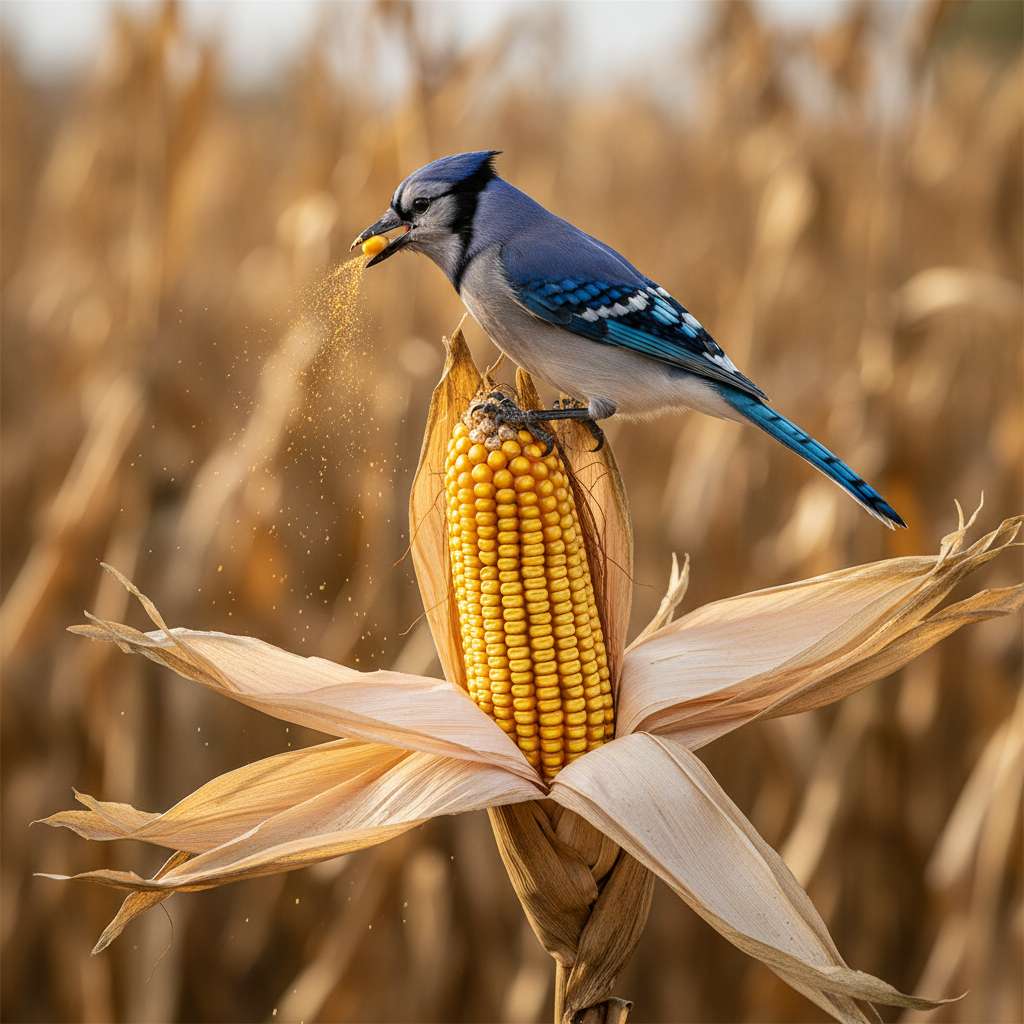
Corn is a high-energy powerhouse used extensively in animal agriculture. While the grain (kernels) is rich in starch and fed to pigs, chickens, and cattle for fattening, the entire plant can be chopped into silage for ruminants. Wild animals, including raccoons, deer, and squirrels, also raid cornfields. It is arguably the most economically significant feed crop, providing the caloric density needed for rapid growth and milk production.
Details
| Component | Use Case |
|---|---|
| Kernels (Grain) | High energy feed for poultry, swine, and finishing cattle |
| Stalks/Leaves | Forage for cattle (stover) after harvest |
| Silage (Whole Plant) | Fermented feed for dairy and beef cattle |
| Cobs | Roughage source, often ground with kernels |
Steps/Instructions
- Process the Grain: Crack, roll, or grind corn kernels before feeding to cattle or horses to improve digestibility and prevent pass-through.
- Balance Protein: Supplement corn-based diets with a protein source (like soybean meal), as corn is high in energy but low in essential amino acids.
- Ensile Properly: When making silage, chop the plant at the right moisture level and pack it tightly to promote anaerobic fermentation.
- Secure Storage: Store grain in moisture-proof bins to prevent aflatoxin mold growth, which is deadly to many animals.
Wheat
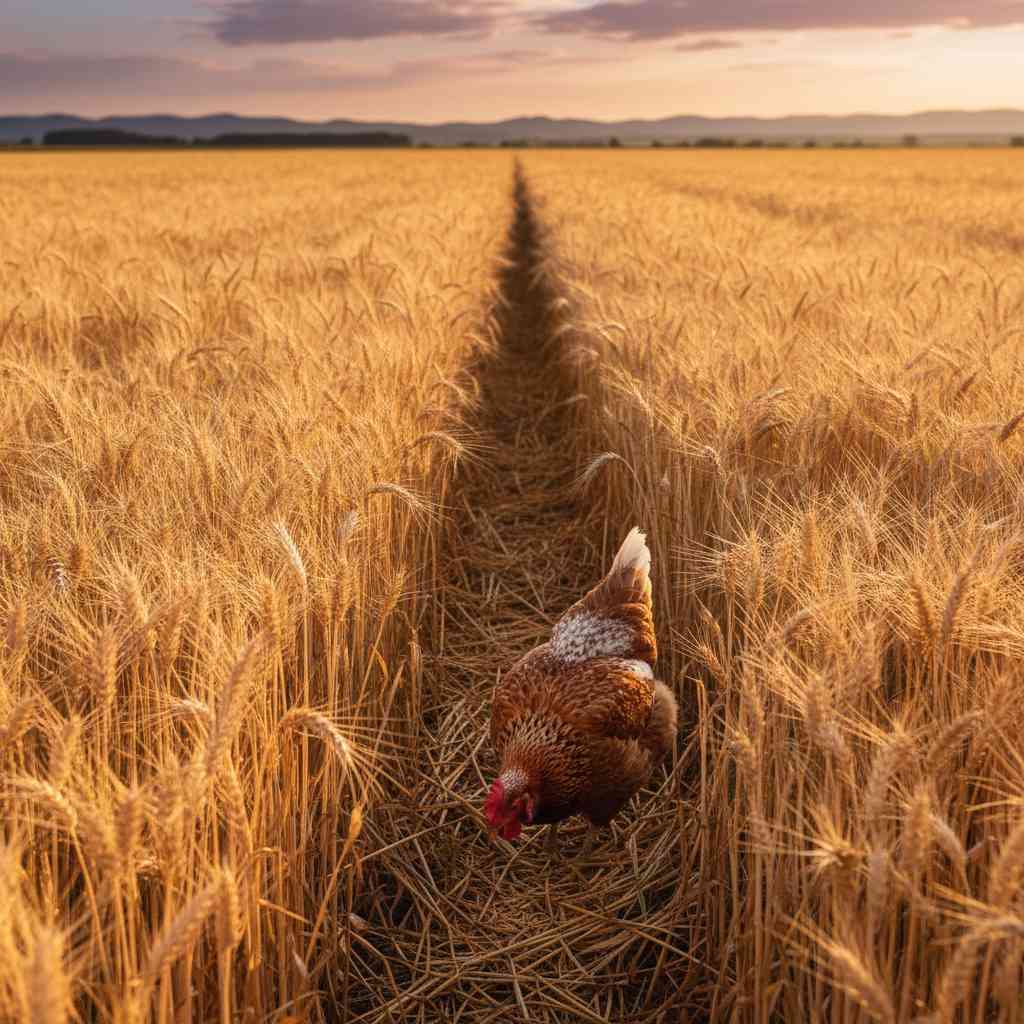
Wheat is primarily grown for human consumption, but it is also a valuable feed ingredient for animals. It is highly palatable and digestible, often used for poultry, pigs, and dairy cows. Wheat provides more protein than corn but must be fed with caution to ruminants, as its rapid fermentation can cause acidosis. In the wild, birds and small mammals will forage for fallen wheat seeds after harvest.
Details
Classification: Cereal Grain
Primary Consumers: Chickens (layers and broilers), pigs, feedlot cattle.
Key Attributes:
- Energy: High starch content, similar to corn.
- Texture: Can be doughy if ground too fine.
- Byproducts: Wheat bran and middlings are excellent fiber sources.
Steps/Instructions
- Coarse Grinding: Grind wheat coarsely for pigs and poultry to prevent the feed from becoming a sticky paste in their beaks or digestive tracts.
- Limit Quantity: Restrict wheat to no more than 50% of the grain portion in cattle diets to avoid digestive upset.
- Mix Thoroughly: Blend wheat evenly with other grains and supplements to prevent animals from sorting out the tasty kernels.
- Use Enzymes: For poultry, consider adding enzyme additives (xylanase) to help break down non-starch polysaccharides and improve absorption.
Oats
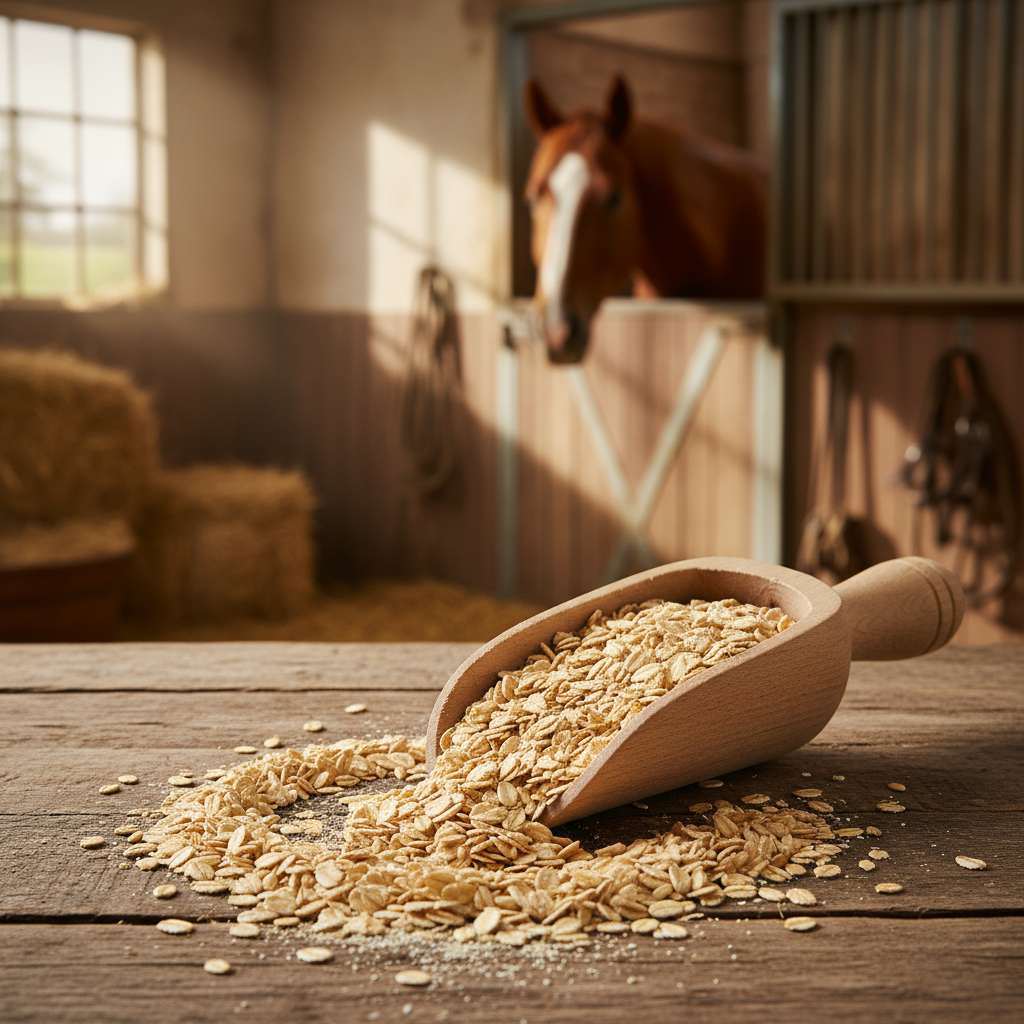
Oats are the traditional grain of choice for horses due to their high fiber content and safety margin compared to other cereals. They are less energy-dense than corn, making them “cooler” feed that reduces the risk of digestive issues. Cattle and sheep also consume oats, often as part of a starter ration for young animals. Wild birds and small rodents are naturally attracted to oat fields and spilled grain.
Details
- Fiber Content: High (approx. 11%)
- Energy Level: Moderate
- Safety: High (Low risk of acidosis)
- Forms: Whole, Crimped, Rolled, Steamed
- Best For: Working horses, breeding livestock, weaning calves
Steps/Instructions
- Select Quality: Ensure oats are heavy, clean, and bright-colored; avoid oats that look thin or dusty.
- Process for Digestion: Crimp or roll oats for cattle and older horses to break the hull and expose the groat for better digestion.
- Store Dry: Keep oats in a cool, dry environment to prevent spoilage and mite infestations.
- Feed by Activity: Adjust the amount of oats fed based on the animal’s workload; idle horses may not need grain at all.
Bamboo
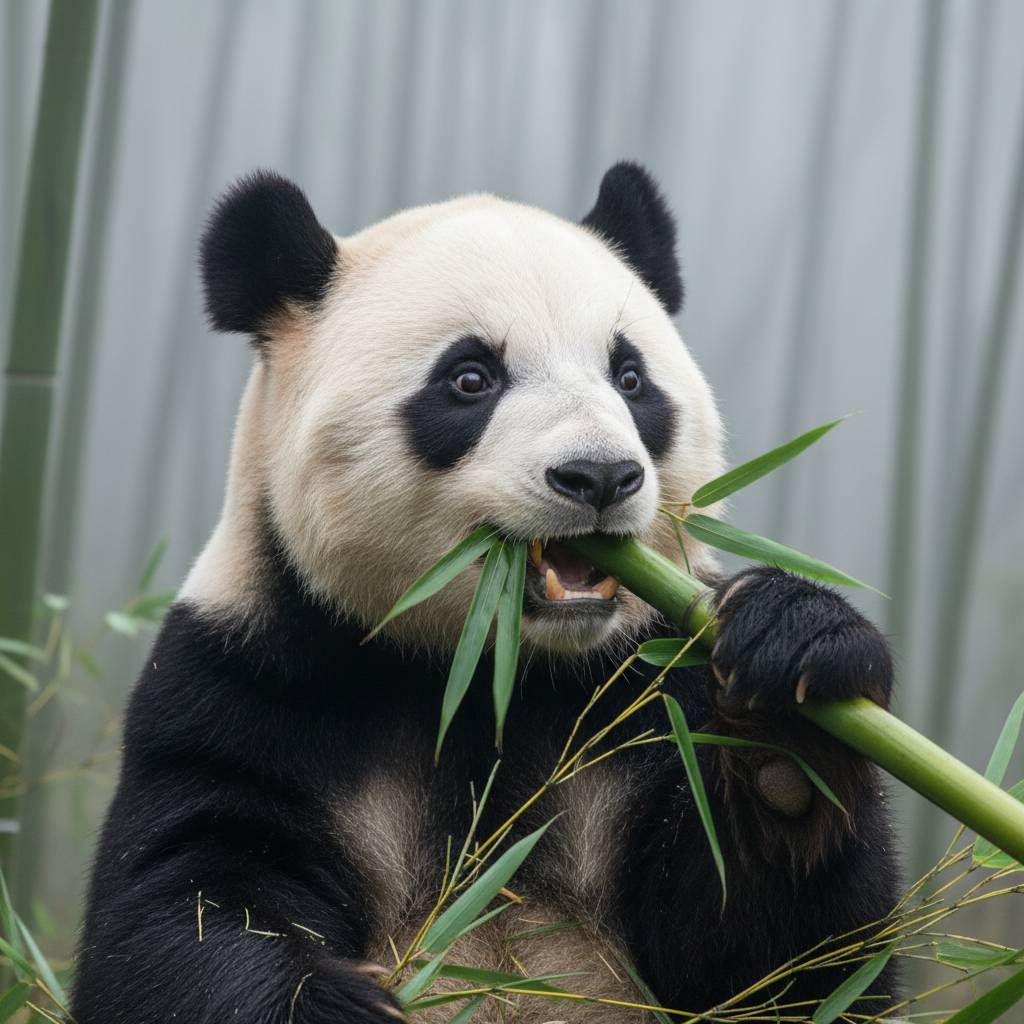
Bamboo is a giant grass that serves as a critical food source for specific wildlife, most notably the giant panda, whose diet consists almost entirely of it. Red pandas, golden monkeys, and even Asian elephants also consume bamboo. It is tough and fibrous, requiring massive consumption volumes to extract sufficient nutrients. For domestic gardening, it must be managed carefully, but for these species, it is the staff of life.
Details
| Species | Part Eaten | Consumption Style |
|---|---|---|
| Giant Panda | Stems, shoots, leaves | Strips outer layer, chews thoroughly |
| Red Panda | Tender leaf tips, shoots | Selective foraging in canopy |
| Elephant | Whole stalks, branches | Crushes with molars |
| Gorilla | Shoots (seasonal) | Peels and eats soft pith |
Steps/Instructions
- Identify Species: For captive feeding, select the correct bamboo species (e.g., Pseudosasa or Phyllostachys) preferred by the specific animal.
- Harvest Fresh: Cut bamboo daily, as the leaves wilt and lose palatability within hours of being severed from the root.
- Wash Thoroughly: Rinse stalks to remove dust or potential contaminants before offering them to animals.
- Offer Variety: Provide different parts of the plant (culm, leaves, shoots) to mimic natural foraging behaviors and provide enrichment.
Leaves (Tree Foliage)
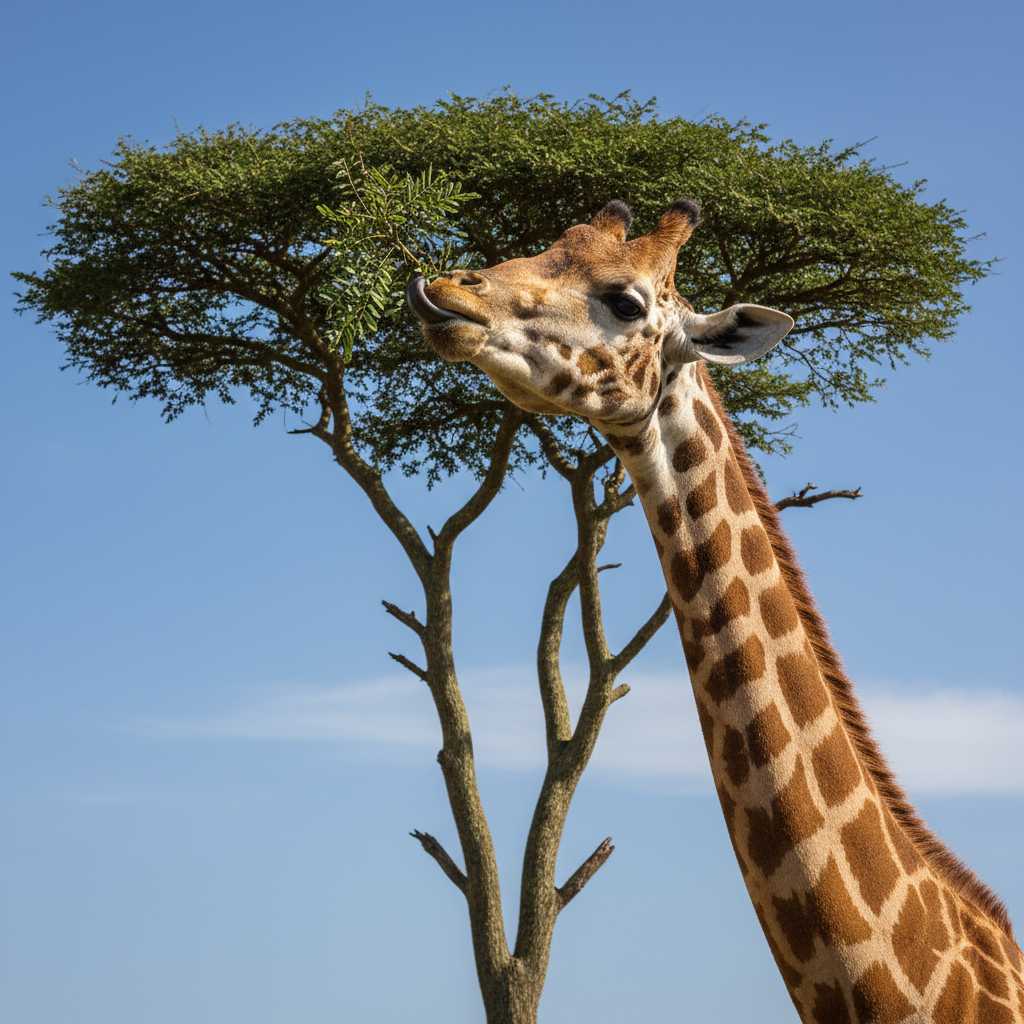
Browsing animals, such as giraffes, goats, deer, and koalas, rely heavily on tree foliage (browse). Unlike grazers, these animals prefer leaves, twigs, and bark over grass. Leaves from acacia, oak, willow, and eucalyptus trees provide proteins and minerals. However, many trees produce tannins as a defense mechanism, so browsers often move from tree to tree to avoid ingesting toxic levels of these compounds.
Details
Browse consists of the leaves, shoots, and twigs of woody plants.
- Koalas: Exclusively eat Eucalyptus leaves.
- Giraffes: Prefer Acacia leaves (tongue designed to avoid thorns).
- Goats: Eat almost any deciduous leaves, brambles, and shrubs.
- Nutrient Note: Often higher in mineral content than grasses but may contain anti-nutritional factors.
Steps/Instructions
- Identify Safe Trees: Confirm the tree species is non-toxic; for example, avoid wild cherry leaves which can be fatal when wilted.
- Prune Branches: Cut fresh branches (fodder) and hang them at head height to simulate natural browsing behavior for goats or captive wildlife.
- Rotate Sources: Do not feed leaves from a single tree species exclusively; variety prevents the buildup of plant toxins in the animal.
- Clear Debris: Remove stripped branches and uneaten stems promptly to maintain enclosure hygiene and prevent injury.
Carrots (Tops and Roots)
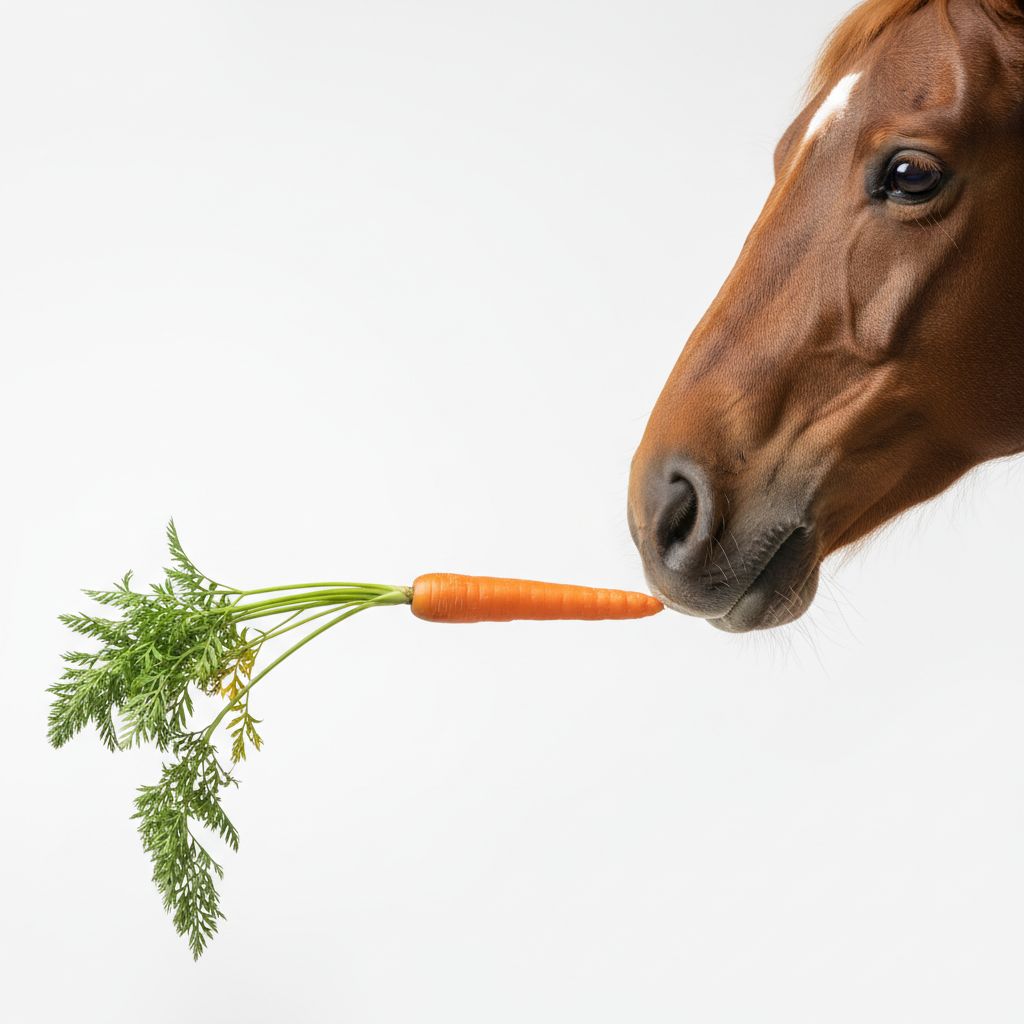
Carrots are a favorite treat for many animals, including horses, rabbits, and guinea pigs. Both the orange taproot and the green leafy tops are edible. They are crunchy, sweet, and packed with beta-carotene. However, due to their high sugar content, they should be fed in moderation, particularly to horses prone to laminitis or rabbits with sensitive digestion. In the wild, burrowing animals may gnaw on wild carrot roots.
Details
Edible Parts: Root (orange vegetable) and Greens (fronds).
Sugar Content: High (approx. 5g sugar per 100g).
Vitamins: Vitamin A (Beta-carotene), Vitamin K1, Potassium.
Best For: Training rewards, occasional treats, vitamin supplementation.
Steps/Instructions
- Wash Completely: Scrub carrots to remove all soil and potential pesticide residues before feeding.
- Chop Appropriately: Cut carrots into strips or small discs for horses to prevent choking; feed whole to small rodents to gnaw on.
- Limit Intake: Treat carrots as candy; feed only one or two per day to horses or rabbits to prevent obesity and digestive upset.
- Feed Fresh: Discard any carrots that are slimy or moldy, as soft rot can cause severe illness in small animals.
Hay (Dried Grasses and Legumes)
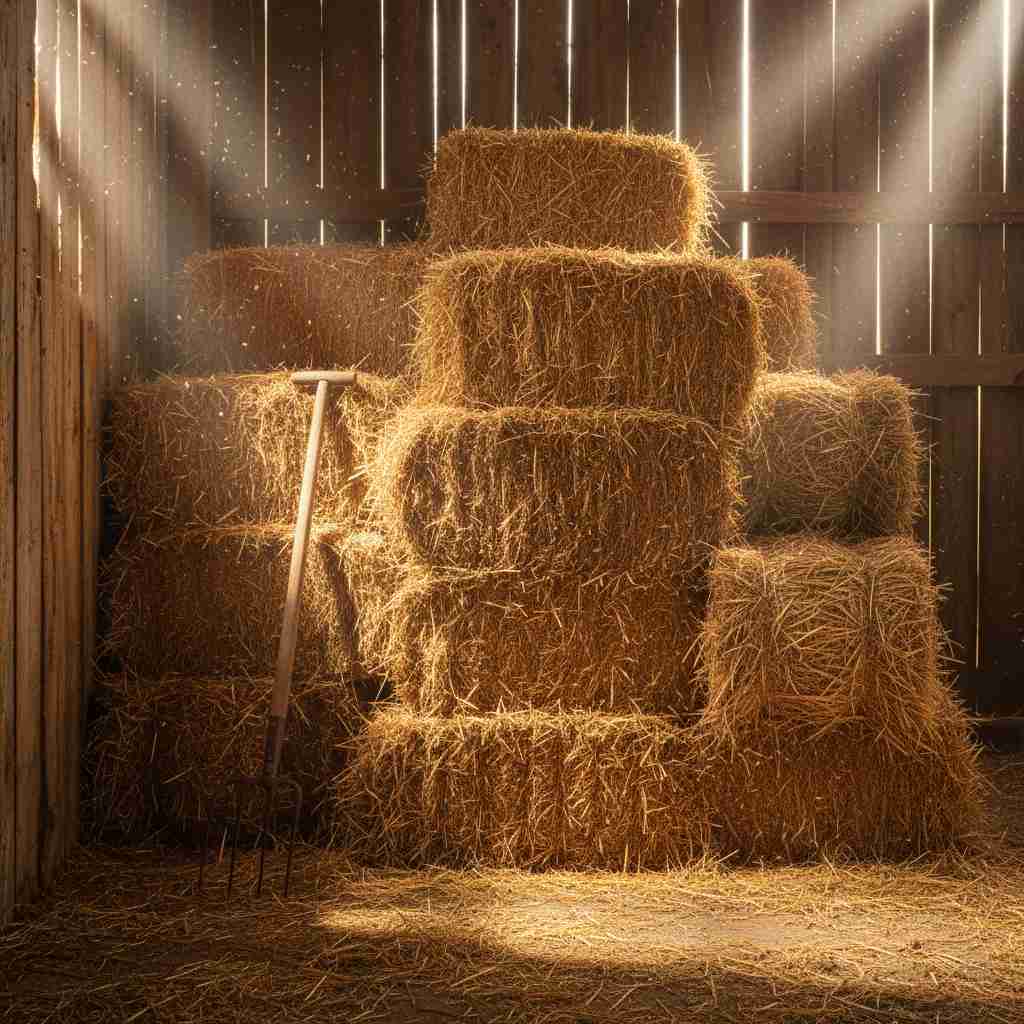
Hay is essentially preserved pasture, cut, dried, and baled to feed animals during winter or droughts when fresh grass is unavailable. It is the absolute staple for stabled horses, dairy cows, and small pets like guinea pigs. Hay can be grass-based (Timothy, Orchard) or legume-based (Alfalfa, Clover). The quality of hay is judged by its color, smell, and leaf retention. It provides the necessary long-stem fiber to keep the gut moving.
Details
| Hay Type | Description | Ideal For |
|---|---|---|
| Timothy | Grass hay, moderate protein, high fiber | Adult horses, rabbits, guinea pigs |
| Alfalfa | Legume hay, high protein/calcium | Lactating cows, growing stock |
| Orchard | Grass hay, soft texture | Older animals with dental issues |
| Coastal | Fine grass hay | Cattle and hardy horses |
Steps/Instructions
- Check Sensory Quality: Smell the hay; it should smell sweet and grassy, never musty or sour.
- Inspect for Dust: Shake a flake of hay; if a cloud of dust appears, do not feed it to horses with respiratory issues (heaves).
- Weigh the Ration: Feed approximately 1.5% to 2.5% of the animal’s body weight in hay daily to maintain weight.
- Store Correctly: Keep bales off the ground (on pallets) and under cover to prevent moisture wicking and rotting.
Pro Tips
When managing animal diets involving these plants, variety and transition are key. Never switch an animal’s diet abruptly. Whether moving a horse from grass hay to alfalfa or introducing cattle to a new corn-rich ration, make changes over 7 to 14 days. This allows the gut microbiome to adapt, preventing colic, bloat, or acidosis.
Understand the sugar content. Lush spring grass and sweet carrots are high in non-structural carbohydrates (sugars and starches). For animals with metabolic issues—like insulin-resistant horses or overweight rabbits—these should be severely restricted. Consider using a grazing muzzle or soaking hay to reduce sugar content.
Quality Control is non-negotiable. Plants that are safe when fresh can become deadly if processed incorrectly. Moldy corn contains aflatoxins; dusty hay causes respiratory failure; and heated, fermenting grass clippings can kill a horse. Always inspect feed visually and chemically (via forage analysis) if you are managing a large herd. Finally, remember that while these 10 plants are staples, wild animals need complex ecosystems. Planting a diverse range of native grasses and shrubs is the best way to support local wildlife populations like deer and pollinators.
Conclusion
From the humble blade of grass to the towering bamboo stalk, plants are the lifeblood of the animal kingdom. Whether you are farming livestock, caring for a house rabbit, or simply observing wildlife, understanding these ten essential plants provides a deeper appreciation for the food web.
By selecting the right vegetation and managing it correctly, we ensure the health and longevity of the animals that rely on us and nature for their daily sustenance.