
If you have ever picked up one of those popular sweet kale salad kits from the grocery store, you know exactly why they are flying off the shelves. It isn’t necessarily the chopped vegetables or the dried cranberries that keep people coming back. It is almost always that creamy, tangy, and perfectly sweet poppy seed dressing included in the packet.
However, buying a full kit every time you crave that flavor can get expensive, and the produce inside isn’t always the freshest. Making this dressing at home allows you to control the quality of ingredients while saving money. This homemade version captures that signature restaurant-quality taste right in your own kitchen.
It is incredibly simple to whisk together, and once you try it, you will likely never go back to the store-bought packets again.
Why This Recipe Works
The secret to this dressing lies in the delicate balance between creamy, sweet, and acidic elements. Many store-bought dressings lean too heavily on high fructose corn syrup and preservatives, which can leave a strange aftertaste. This recipe strips it back to the essentials to create a clean, bright flavor profile that complements bitter greens perfectly.
First, the combination of mayonnaise and milk (or buttermilk) creates a luxurious, velvety texture that coats the kale leaves without weighing them down. Kale is a hearty, fibrous vegetable, so it requires a dressing with enough substance to soften the leaves slightly. A thin vinaigrette often slides right off, but this creamy emulsion clings to every bite.
Secondly, the specific blend of vinegar and sugar mimics the addictive sweet-and-sour profile that makes the original kit so popular. By using apple cider vinegar, we introduce a fruity tartness that pairs beautifully with the sugar. When you toss this with savory vegetables like broccoli, Brussels sprouts, and kale, the sweetness cuts through the natural bitterness of the greens, making them palatable even for picky eaters.
Shopping List
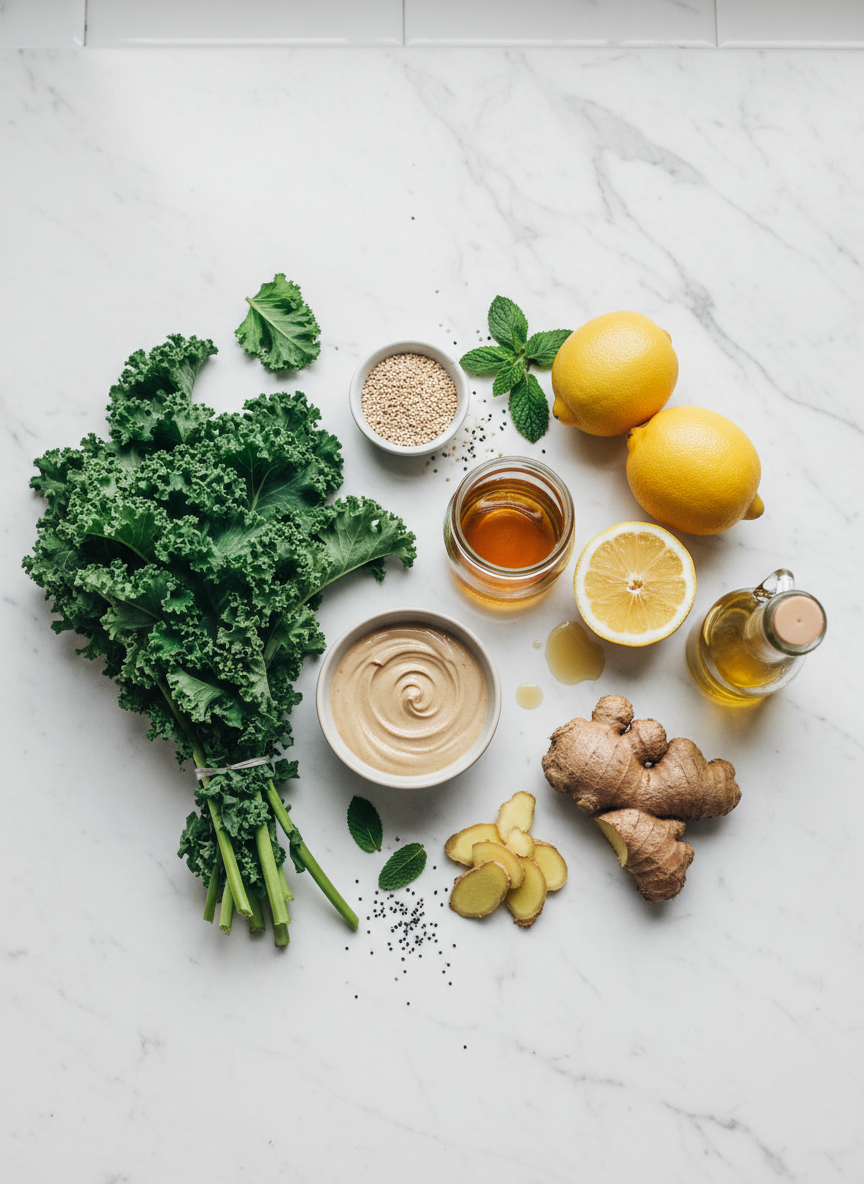
You likely have most of these ingredients in your pantry or refrigerator right now. The beauty of this recipe is its simplicity. To get the best results, try to stick to these specific items:
- Real Mayonnaise: This acts as the base of the dressing. Use a high-quality brand like Hellmann’s or Best Foods. Avoid “salad dressing” spreads or Miracle Whip, as they have a different flavor profile that alters the final taste.
- White Sugar: To replicate the classic salad kit taste, regular granulated white sugar works best. It provides a clean sweetness that dissolves well into the liquids.
- Apple Cider Vinegar: This provides the tang. It is slightly milder and fruitier than white vinegar, which adds depth to the dressing.
- White Vinegar: A small splash of distilled white vinegar adds a sharp punch of acidity that balances the creaminess.
- Poppy Seeds: These are essential for the visual appeal and add a very subtle, nutty crunch that is characteristic of this style of dressing.
- Onion Powder: This is the secret savory ingredient. It prevents the dressing from tasting like a dessert by grounding it with an earthy flavor.
- Salt and Black Pepper: Fine sea salt and freshly cracked black pepper are best for seasoning.
- Milk: You will need a small amount of milk (dairy or unsweetened plant-based) to thin the dressing to your desired consistency.
– Instructions
Making this dressing takes only a few minutes, but following the order of operations ensures the smoothest texture.
- Prepare the Base: In a medium-sized mixing bowl, combine the mayonnaise, sugar, apple cider vinegar, and white vinegar. It is easier to whisk these ingredients together first before adding the spices to ensure the mayonnaise is fully smooth and free of lumps.
- Add Seasonings: Sprinkle in the poppy seeds, onion powder, salt, and black pepper. Whisk the mixture vigorously for about 30 to 45 seconds. You want the sugar to begin dissolving into the vinegar and mayonnaise.
- Adjust Consistency: At this stage, the dressing might be quite thick. Slowly add the milk, one tablespoon at a time, whisking constantly. Stop adding milk once you reach a consistency that is pourable but still creamy. It should look like heavy cream.
- Let it Rest: This is the most crucial step. Cover the bowl or transfer the dressing to a jar and refrigerate it for at least one hour before serving. This resting period allows the sugar to fully dissolve and the flavors of the onion powder and poppy seeds to meld with the creamy base.
- Serve: Give the dressing a good shake or stir before pouring it over your chopped kale salad. Toss thoroughly to coat the greens.
Kitchen Tools We Recommend
Product | Product Name | Rating | Check Price |

| Air Fryer (Oil-Free Healthy Cooker) | ; | |

| Chef’s Knife (8-Inch Professional Kitchen Knife) | ; | |

| Stand Mixer (Multi-Function Baking Mixer) | ; | |

| Nonstick Frying Pan (Premium Skillet) | ; | |

| Digital Kitchen Scale (Precise Food Scale) | ; | |

| Blender (High-Speed Smoothie & Sauce Blender) | ; | |

| Measuring Cups & Spoons Set (Stainless Steel) | ; |
How to Store
Proper storage is key to maintaining the freshness and safety of creamy dressings. Because this recipe contains mayonnaise and milk, it must be kept cold.
Transfer your finished dressing into an airtight container. A glass mason jar with a tight-fitting lid is the ideal vessel because glass does not absorb odors and it makes it easy to shake the dressing before use. Store the jar in the main part of your refrigerator, not the door, as the temperature is more stable there.
When stored properly, this dressing will last for one week. You might notice a little bit of separation after it sits for a day or two. This is completely normal for homemade emulsions that don’t contain industrial stabilizers. Simply give the jar a vigorous shake for ten seconds, and it will come back together perfectly. Do not freeze this dressing, as the mayonnaise will break and the texture will become curdled and unappetizing upon thawing.
Why This is Good for You
While this dressing does contain sugar and mayonnaise, it serves a very important nutritional purpose: it encourages the consumption of raw, nutrient-dense vegetables. Kale, broccoli stalks, and Brussels sprouts are superfoods packed with fiber, vitamins K, A, and C, as well as antioxidants. However, their raw flavor can be challenging for many people.
By pairing these bitter greens with a palatable, sweet dressing, you are far more likely to eat a large bowl of raw vegetables than you would otherwise. This is a great way to introduce nutrient-dense foods to children or family members who claim they don’t like salad.
Furthermore, making it from scratch puts you in the driver’s seat regarding ingredients. You avoid the artificial preservatives, stabilizers, and gums found in bottled versions. You can also control the sodium levels and swap ingredients to fit dietary needs, which makes this a generally healthier option than the packet included in store-bought kits.
Common Mistakes to Avoid
Even with a simple recipe, small errors can throw off the flavor balance. Here are a few pitfalls to watch out for.
Using the Wrong Sweetener: While you can use honey or maple syrup, they have distinct flavors that will change the final result. If you want the dressing to taste exactly like the “Sweet Kale” kit, stick to white sugar. If you swap for honey, the dressing will taste more floral and less like the classic copycat recipe.
Over-thinning the Dressing: It is easy to accidentally add too much milk. Remember that the sugar will turn into a liquid syrup as it dissolves, which naturally thins the dressing as it rests in the fridge. Keep the dressing slightly thicker than you think it needs to be when you first mix it. If it is too thick after resting for an hour, you can always add a teaspoon more milk then.
Skipping the Resting Time: If you eat this immediately after mixing, it might taste grainy from the undissolved sugar, and the vinegar might taste too sharp. The resting time mellows the acidity and ensures a smooth mouthfeel. Patience yields the best flavor.
Variations You Can Try
Once you have mastered the basic recipe, feel free to get creative and adjust it to your personal taste or dietary requirements.
The Healthy Swap: If you want to reduce the calories, substitute half (or all) of the mayonnaise with plain Greek yogurt. This adds a boost of protein and probiotics. The dressing will be tangier, so you might need to adjust the sugar slightly to balance the extra acidity of the yogurt.
The Lemon Twist: For a fresher, more summery vibe, replace the white vinegar with fresh lemon juice. Lemon pairs exceptionally well with kale and poppy seeds, giving the salad a brighter, citrusy note that cuts through the creaminess.
The Dairy-Free Option: To make this vegan or dairy-free, simply use a high-quality vegan mayonnaise and unsweetened almond or oat milk. The flavor remains remarkably similar to the original, making it a great option for plant-based eaters.
The Savory Kick: If you find the dressing too sweet, add a teaspoon of Dijon mustard or a pinch of garlic powder. The mustard acts as an emulsifier and adds a spicy depth that works well with hearty greens.
FAQ
Can I make this dressing in a blender?
Yes, you certainly can. Using a blender or a small food processor can help emulsify the dressing quickly and ensure the sugar is fully dissolved. However, be careful not to over-blend, as mayonnaise can sometimes break if processed too aggressively at high speeds. A quick pulse is usually all that is needed.
Is this dressing gluten-free?
Generally, yes. Most mayonnaise, vinegar, and spices are naturally gluten-free. However, you should always check the labels on your specific mayonnaise and spices to ensure they were not processed in a facility that handles wheat. It is a safe bet for most gluten-free diets.
What other salads can I use this on?
While it is designed for the kale and broccoli mix, this dressing is incredibly versatile. It tastes amazing on a classic coleslaw, a spinach and strawberry salad, or even drizzled over roasted Brussels sprouts. It also makes a fantastic dip for fresh vegetable platters.
Why does my dressing look separated?
Separation is natural when you use real ingredients without chemical binders. If your dressing separates in the fridge, it does not mean it has gone bad. It just means the oil and vinegar are pulling apart. A strong shake or a quick whisk will bring it back to a creamy consistency instantly.
Final Thoughts
There is something incredibly satisfying about cracking the code to a favorite store-bought food. This sweet kale salad dressing recipe allows you to enjoy that creamy, poppy seed goodness whenever you want, without being tied to a specific salad kit.
By keeping a jar of this in your fridge, you turn a bag of plain chopped kale or broccoli slaw into a gourmet side dish in seconds. It is fast, economical, and delicious. Next time you are in the produce aisle, skip the bag with the packet inside and head straight for the fresh bundles of greens—you have the rest covered at home.