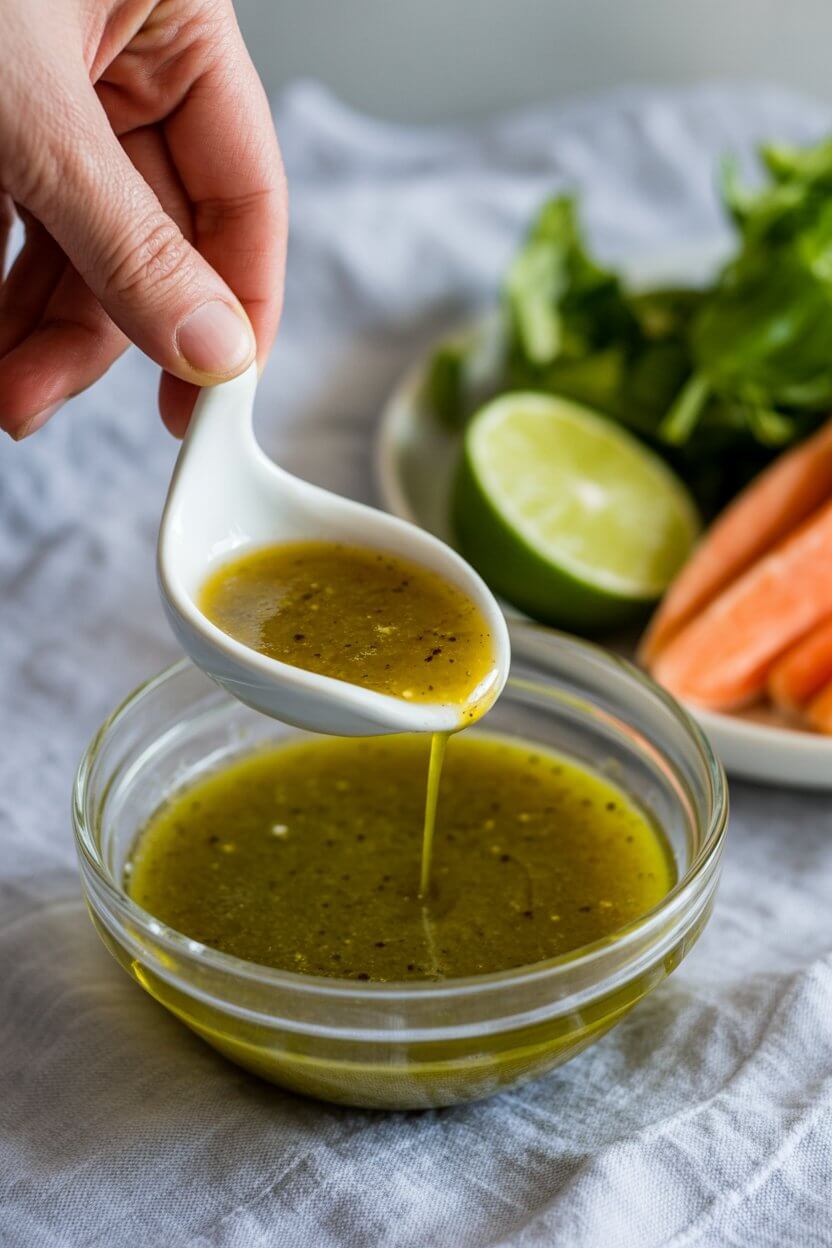
There is something undeniably magical about the perfect salad dressing. It possesses the power to transform a humble bowl of shredded chicken and leafy greens into a restaurant-quality meal. Among the pantheon of vinaigrettes and creamy sauces, Asian Chicken Salad Dressing stands out as a crowd favorite. It is the ideal marriage of savory, sweet, tangy, and nutty flavors, creating a profile known as “umami” that keeps you coming back for bite after bite.
While you can easily grab a bottle from the grocery store shelf, those versions often come packed with preservatives, stabilizers, and excessive amounts of sodium or high-fructose corn syrup. Making your own dressing at home is not only healthier but also infinitely more delicious. The freshness of real grated ginger and the aroma of toasted sesame oil simply cannot be bottled for months at a time without losing their luster.
Whether you are meal-prepping for the week or hosting a dinner party, mastering this dressing is a culinary skill that will serve you well.
What Makes This Special
The secret to a phenomenal Asian chicken salad dressing lies in the **balance**. Unlike a standard balsamic vinaigrette which relies heavily on the oil-to-acid ratio, this dressing introduces complex layers of flavor. You have the saltiness from soy sauce, the acidity from rice vinegar, the sweetness from honey or brown sugar, and the distinct, aromatic punch of sesame oil.
Furthermore, this dressing is incredibly versatile. While it is designed for a crunchy salad featuring Napa cabbage, shredded chicken, carrots, and crispy wonton strips, its utility extends far beyond the salad bowl. It serves as an excellent marinade for grilling chicken breast or thighs. It can be drizzled over roasted vegetables like broccoli or asparagus to give them a savory glaze. You can even use it as a dipping sauce for spring rolls or dumplings. This multi-purpose nature makes it a staple recipe to keep in your culinary repertoire.
#Ingredients
To achieve that authentic flavor profile, sourcing the right ingredients is crucial. Most of these can be found in the international aisle of a standard grocery store.
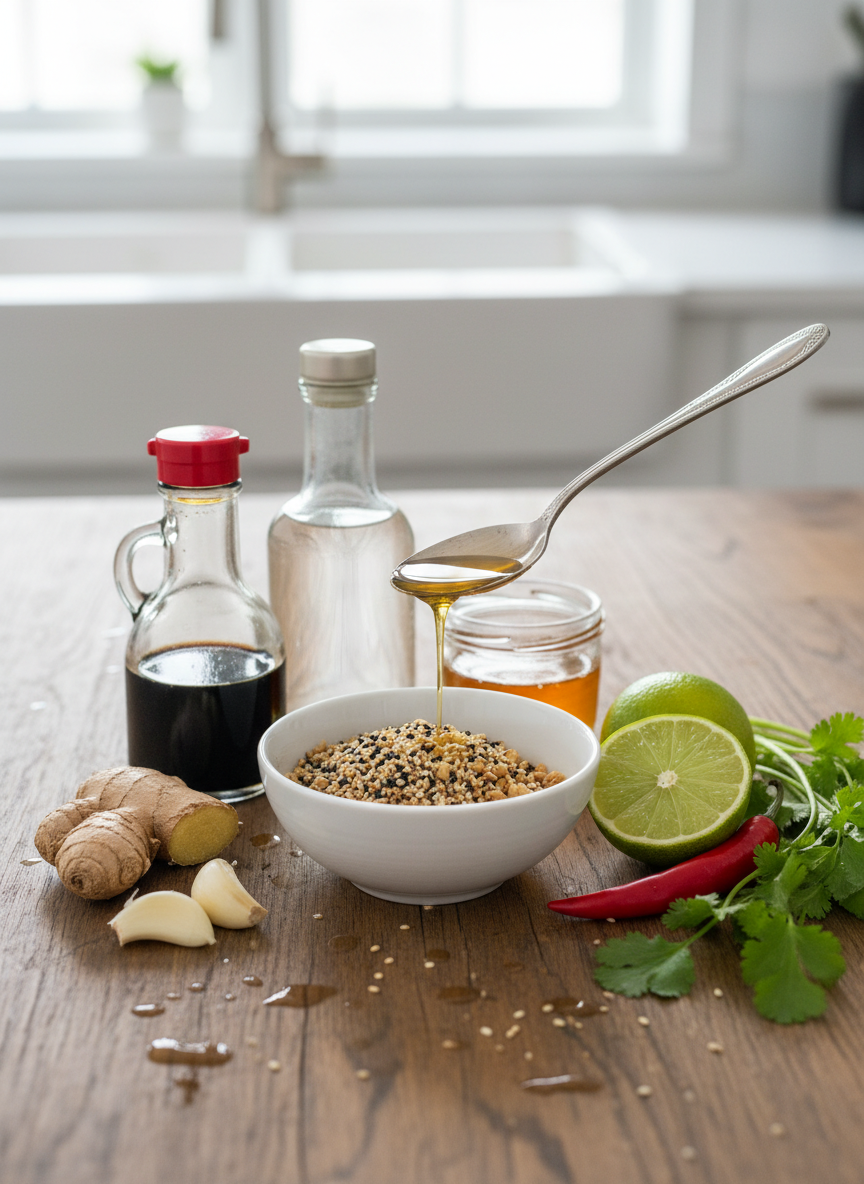
- Rice Vinegar: This is the primary acid source. It is milder and slightly sweeter than distilled white vinegar. Ensure you buy “unseasoned” rice vinegar; the seasoned variety has added sugar and salt, which can throw off your measurements.
- Soy Sauce: This provides the savory, salty base. For a lighter taste, use low-sodium soy sauce. If you are gluten-free, substitute with Tamari or Coconut Aminos.
- Toasted Sesame Oil: This is the defining flavor. Be sure to get toasted oil (dark amber color) rather than regular cold-pressed sesame oil (light yellow), as the toasted version has a much deeper, nuttier aroma.
- Oil: Because sesame oil is potent, you need a neutral carrier oil to bulk up the dressing without overpowering it. Grapeseed, canola, or a light vegetable oil works best.
- Fresh Ginger: Freshly grated ginger provides a spicy, zesty kick that powdered ginger cannot replicate. It adds freshness that cuts through the savory elements.
- Garlic: Fresh minced garlic adds pungency and depth.
- Sweetener: Honey, maple syrup, or brown sugar helps to balance the saltiness of the soy sauce and the tartness of the vinegar.
- Sesame Seeds: White or black sesame seeds add visual appeal and a subtle crunch.
#Instructions
Creating this dressing is less about cooking and more about the art of emulsification—getting the oil and liquids to combine into a smooth sauce.
- Prep the Aromatics: Peel a knob of fresh ginger (using the edge of a spoon is the easiest way to peel ginger) and grate it until you have about one tablespoon. Mince two cloves of garlic finely. If you prefer a very smooth dressing, you can use a microplane for both the garlic and ginger to create a paste.
- Combine Liquids: In a medium mixing bowl, combine the soy sauce, rice vinegar, and your chosen sweetener (honey or brown sugar). Whisk these together vigorously until the sugar or honey has completely dissolved.
- Add Aromatics: Stir in the grated ginger, minced garlic, and sesame seeds.
- Emulsify: This is the most important step. While whisking constantly, slowly drizzle in the neutral oil and the toasted sesame oil. Pouring slowly helps break the oil into tiny droplets that suspend in the vinegar mixture, creating a creamy, unified consistency.
- The Mason Jar Method (Alternative): If you do not want to whisk, simply place all ingredients into a glass jar with a tight-fitting lid. Screw the lid on tight and shake vigorously for 30 to 45 seconds until the dressing looks cloudy and emulsified.
- Taste and Adjust: Dip a lettuce leaf or a piece of chicken into the dressing to taste it. If it is too salty, add a little more oil or water. If it is too sour, add a pinch more sugar. If it lacks depth, add a tiny splash more sesame oil.
Keeping It Fresh
Since this dressing contains fresh garlic and ginger, it needs to be stored properly to maintain food safety and flavor quality. The best vessel for storage is a glass jar, such as a mason jar or an old jam jar that has been thoroughly cleaned. Glass is non-reactive and won’t absorb the strong odors of garlic and onion like plastic containers often do.
Store the dressing in the refrigerator immediately after making it. It will stay fresh for approximately one week to ten days. You might notice that the oil separates from the vinegar mixture or solidifies slightly when chilled.
This is perfectly normal. Simply take the dressing out of the fridge about 10 to 15 minutes before serving to let the oils liquify, and then give it a vigorous shake to re-emulsify the ingredients before pouring.
Kitchen Tools We Recommend
Product | Product Name | Rating | Check Price |

| Air Fryer (Oil-Free Healthy Cooker) | ; | |

| Chef’s Knife (8-Inch Professional Kitchen Knife) | ; | |

| Stand Mixer (Multi-Function Baking Mixer) | ; | |

| Nonstick Frying Pan (Premium Skillet) | ; | |

| Digital Kitchen Scale (Precise Food Scale) | ; | |

| Blender (High-Speed Smoothie & Sauce Blender) | ; | |

| Measuring Cups & Spoons Set (Stainless Steel) | ; |
Health Benefits
Beyond flavor, this dressing brings several health benefits to your table, especially when compared to creamy, mayonnaise-based dressings.
Ginger: Known for its anti-inflammatory properties, ginger can aid in digestion and help reduce nausea. It also adds a warming element to the body.
Garlic: A powerhouse for the immune system, garlic has been shown to combat sickness, including the common cold, and may improve heart health.
Sesame Oil: This oil is rich in antioxidants, specifically sesamol, and contains healthy mono- and polyunsaturated fats which are good for heart health.
Portion Control: Because the flavors in this dressing are so concentrated and bold, you often need less of it to flavor a large bowl of greens, which can help manage overall calorie intake.
What Not to Do
Even with a simple recipe, there are pitfalls that can ruin the final product. Avoiding these common mistakes ensures your dressing is perfect every time.
First, do not substitute the vinegar randomly. Using balsamic vinegar or red wine vinegar will completely change the flavor profile and clash with the soy sauce. If you don’t have rice vinegar, apple cider vinegar is the closest acceptable substitute, though it is slightly fruitier.
Second, avoid “cooking wine”. Many pantry shelves contain bottles labeled “Sherry Cooking Wine” or “Rice Cooking Wine.” These are often loaded with massive amounts of salt and preservatives. Using them in a raw dressing (where the alcohol doesn’t cook off) results in a harsh, overly salty taste.
Finally, don’t overdo the sesame oil. Toasted sesame oil is incredibly potent. While it is a key ingredient, using it as the only oil in the dressing will result in a flavor that is bitter and overwhelming. Always cut it with a neutral oil like canola, grapeseed, or avocado oil.
Recipe Variations
Once you have mastered the base recipe, you can tweak it to suit your specific cravings or dietary needs.
The Spicy Kick: If you love heat, add a teaspoon of Sriracha, Sambal Oelek (chili garlic paste), or a pinch of red pepper flakes. This adds a nice dimension that pairs well with bland greens like iceberg lettuce.
Creamy Peanut: For a richer, satay-style dressing, whisk in a tablespoon of smooth peanut butter or tahini. This creates a thicker dressing that clings beautifully to noodles and chicken.
Citrus Burst: Replace half of the rice vinegar with fresh lime juice or orange juice. Orange juice, in particular, pairs wonderfully with the soy sauce and adds a natural floral sweetness.
Herbaceous: Add chopped fresh cilantro or scallions directly into the dressing for a burst of green freshness.
FAQs
Is this dressing gluten-free?
Traditional soy sauce contains wheat, so it is not gluten-free. However, you can easily make this recipe gluten-free by swapping the soy sauce for Tamari or Coconut Aminos. The flavor remains virtually identical.
Can I use olive oil instead of vegetable oil?
You can, but be careful. Extra Virgin Olive Oil has a strong, grassy flavor that can clash with the Asian ingredients. If you must use olive oil, choose “light” or “pure” olive oil, which has a more neutral flavor profile than Extra Virgin.
Why is my dressing too salty?
This usually happens if you use regular soy sauce and seasoned rice vinegar together. To fix a salty dressing, add more acid (vinegar or lime juice) and a little more sweetener (honey or sugar). You can also add a tablespoon of water to dilute it without adding more fat.
Can I use powdered ginger and garlic?
In a pinch, yes. However, powdered spices lack the zesty “bite” and aromatic oils of the fresh versions. If using powder, use 1/4 teaspoon of powder for every tablespoon of fresh required. Note that the dressing will taste flatter and less vibrant.
In Conclusion
Making your own Asian Chicken Salad Dressing is a small effort that yields massive rewards. It allows you to control the quality of ingredients, adjust the sweetness and saltiness to your liking, and avoid the additives found in commercial brands.
Whether you pour it over a crunchy cabbage salad, toss it with cold sesame noodles, or use it to marinate your protein, this dressing provides a reliable, delicious burst of umami that elevates any dish.
Gather your ingredients, grab a jar, and give it a shake your salad greens will thank you.