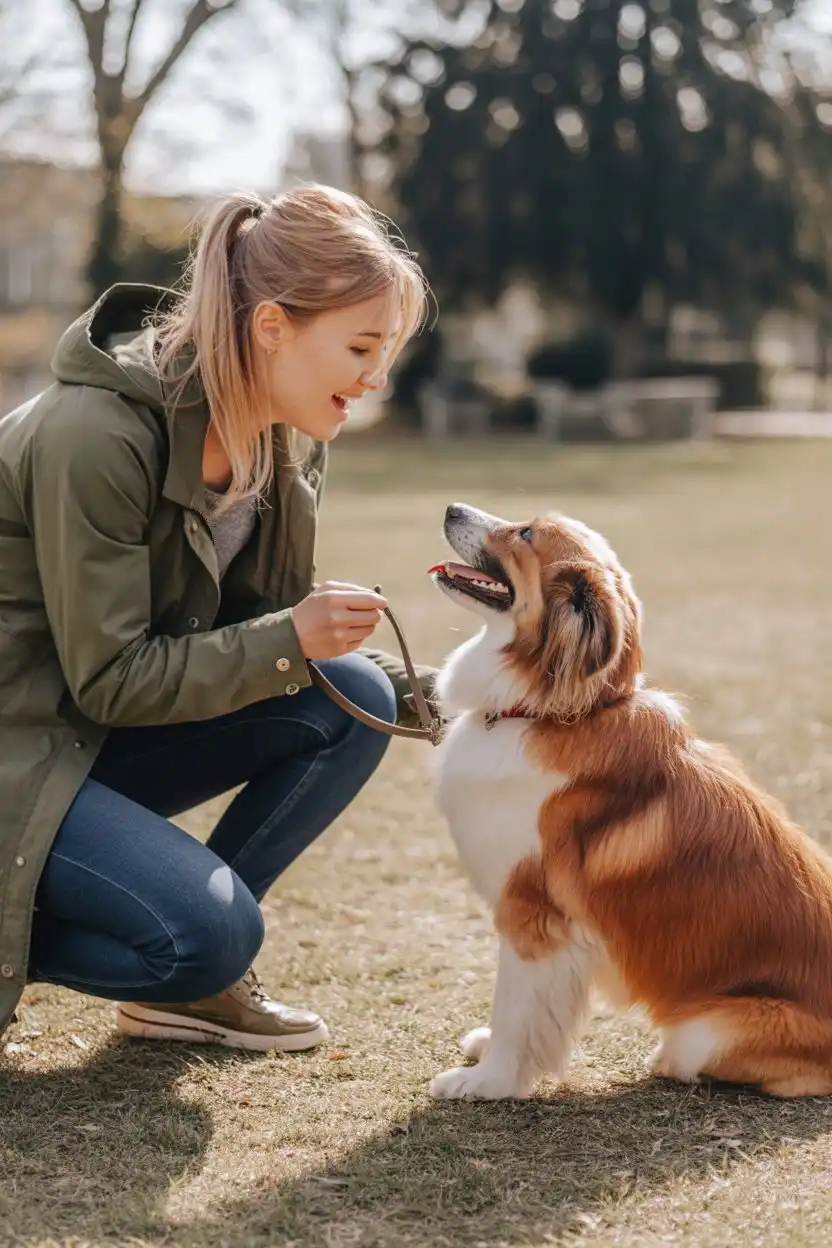
If you’ve ever asked your dog to “come,” only to watch them pretend they can’t hear you, you’re not alone. Most dog owners aren’t struggling because they “lack authority” they’re struggling because nobody showed them simple, repeatable dog training tips that fit real life.
Training also gets emotional fast. You might feel embarrassed when your dog jumps on guests, frustrated when walks turn into tug-of-war, or worried when your dog ignores you near distractions.
The good news is that you can build better behavior without yelling, harsh corrections, or spending hours a day. With a few consistent routines, the right rewards, and realistic timelines, your dog can learn faster than you think. 🦴
In this guide, you’ll learn foundational dog training tips, step-by-step methods that rely on positive reinforcement, and advanced strategies for handling real-world chaos—whether you have a bitey puppy or a stubborn adult rescue.
Why This Matters 💡
Good training isn’t about “perfect obedience.” It’s about safety, communication, and making daily life smoother for both of you. A dog who comes when called, walks politely, and settles on cue is a dog who gets more freedom and more fun.
These dog training tips also reduce the most common household stress points. Jumping, pulling, barking, and chewing usually aren’t “bad dog” problems—they’re unmet needs plus unclear boundaries.
Set a realistic expectation: noticeable improvement often shows up in 7–14 days if you practice 5–10 minutes daily. Reliable behavior around distractions can take 4–12 weeks, especially for adolescent dogs or newly adopted adults.
Positive reinforcement matters because it builds trust. Your dog learns that listening to you predicts good things, which creates faster repetition and fewer conflicts. ✅
🧠 Section 1: Dog Training Tips Basics Timing, Rewards, and Focus
The foundation of great training is not the command—it’s what happens right after your dog does the right thing. Your dog is always learning, even when you aren’t “training.”
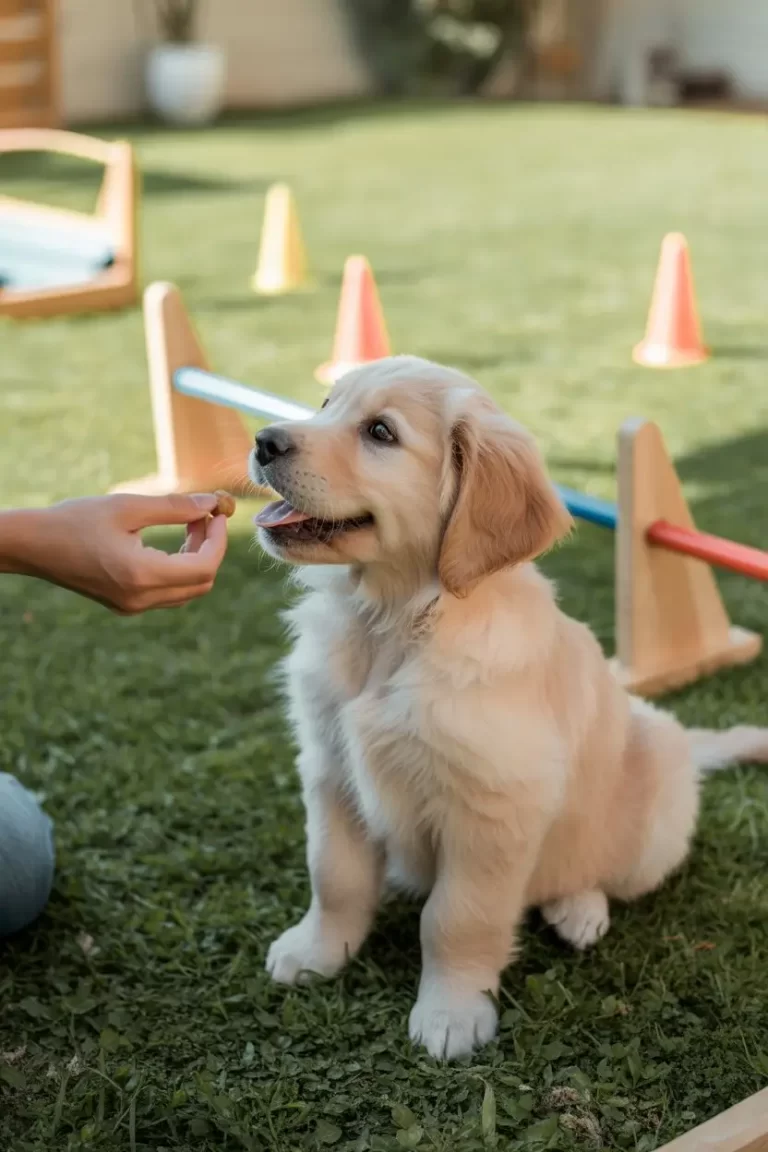
Start with timing. Reward within 1–2 seconds of the behavior you want, or your dog may connect the treat to something else (like looking away or stepping back).
Next is your reward strategy. Use small, soft treats your dog can swallow quickly, and save higher-value options (chicken, cheese, freeze-dried liver) for hard moments like outdoors or around other dogs.
Finally, focus beats force. If your dog can’t focus, training won’t stick. That’s not disobedience—it’s information about the environment being too difficult.
Practical dog training tips you can start today:
- Use a marker word like
yesto tell your dog the exact moment they’re correct - Keep sessions short: 3–5 minutes, 2–4 times per day
- Train before meals so your dog is motivated, not stuffed
Equipment that makes training easier and safer:
- A flat collar or well-fitted harness for everyday practice
- A 6-foot leash for walks and a 15–30-foot long line for recall
- A treat pouch so rewards are fast and consistent
Puppies vs. adult dogs: puppies need more naps and shorter sessions, while adult dogs can handle longer practice but may need more time to unlearn habits. One rule stays the same: reward what you want to see again.
🎓 Section 2: Dog Training Tips Step-by-Step The Core Skills
These dog training tips focus on three “life skills” that improve almost everything: attention, sit/down, and recall. Practice them indoors first, then slowly add distractions.
- Teach attention (
watch me)
- Hold a treat near your face
- Wait for eye contact (even a split second)
- Say
yes, then reward - Repeat until your dog snaps their eyes to you quickly
- Teach
sit(polite default behavior)
- Put a treat at your dog’s nose
- Move it slowly up and back so their head follows
- The moment their butt hits the floor, say
yesand reward - Add the word
sitright before you lure once it’s predictable - Teach recall (
come) with a long line
- In a quiet area, let your dog wander to the end of the line
- Say
comeonce, in a happy tone, then back up a few steps - When your dog moves toward you, say
yesand reward generously - Hold their collar gently while rewarding so “being caught” feels great
Common mistakes to avoid:
- Repeating cues like “come, come, come” (your dog learns the first one doesn’t matter)
- Punishing after your dog comes (this teaches “approaching you is unsafe”)
- Jumping to high distractions too soon (parks are “final exam” level)
Troubleshooting quick fixes:
- If your dog won’t take treats, move to a quieter spot and increase distance from distractions
- If your dog gets mouthy, end the session calmly and offer a chew or short nap break
- If your dog breaks
sit, lower your expectations and reward shorter durations
A simple schedule that works: 5 minutes in the morning (attention), 5 minutes midday (sit/down), 5 minutes evening (recall games).
🏆 Section 3: Advanced Dog Training Tips Real-World Habits and Proofing
Once your dog can do cues at home, your real job is “proofing,” which means teaching your dog to succeed in different places, with different distractions, at different distances.
Use the “3D” method:
- Distance: take one step away, then return and reward
- Duration: ask for 2 seconds of calm, then 5, then 10
- Distraction: add one small distraction at a time (a toy on the floor, a family member walking by)
To stop jumping, teach an incompatible behavior: sit for greetings. Ask guests to ignore jumping completely and reward the instant your dog’s paws are on the floor. If your dog struggles, use a leash or baby gate for safety and success.
For leash pulling, reinforce position rather than correcting pressure. Reward your dog for being near your side, and change direction calmly when they surge ahead. Outdoors, use higher-value treats and frequent reinforcement at first.
Real-world examples that show progress:
- Your dog checks in with you automatically on walks
- Your dog recovers faster after a distraction (bike, dog, doorbell)
- Your dog can hold a
sitwhile you open the front door
Success indicator to watch for: your dog starts offering behaviors (eye contact, sit, coming closer) without you asking. That’s when training becomes a habit, not a struggle.
Puppy note: adolescence (around 6–18 months) often looks like “forgetting everything.” Stay consistent, lower distractions, and reward heavily again—it’s normal.
Adult dog note: rescues may need decompression time. For some dogs, the first 2–4 weeks should focus on routine, trust, and basic cues before heavy social exposure.
Video Resource Section 🎥
Common Questions ❓
Q: How long should daily training take? 🐾
A: Aim for 10–20 minutes total per day, split into short sessions. Consistency beats long drills.
Q: What if my dog only listens when I have treats? 🍗
A: That’s a normal phase. Start rewarding every time, then slowly switch to variable rewards and add praise, play, or sniff breaks as bonus reinforcement.
Q: Are these dog training tips okay for puppies? 🍼
A: Yes, with shorter sessions and gentler expectations. Prioritize socialization, bite inhibition, and name/attention before perfect obedience.
Q: My adult dog pulls hard—what’s the safest setup? 🦮
A: Use a well-fitted front-clip harness or sturdy back-clip harness and a 6-foot leash. Skip aversive tools if you’re building confidence and calm behavior.
Conclusion & Next Steps 🎉
The best dog training tips are the ones you’ll actually use: reward fast, keep sessions short, and increase difficulty gradually. When you focus on attention, polite sit greetings, and a positive recall, everyday life gets easier—and your dog feels safer and more connected to you.
Start today with a 7-day plan: practice watch me, sit, and come for 5 minutes each day in a quiet space. Then add one small distraction at a time, and celebrate tiny wins. 🐕🦺
If you want to level up next, we can build a calm place cue, polite door manners, and distraction-proof recall using the same positive system.