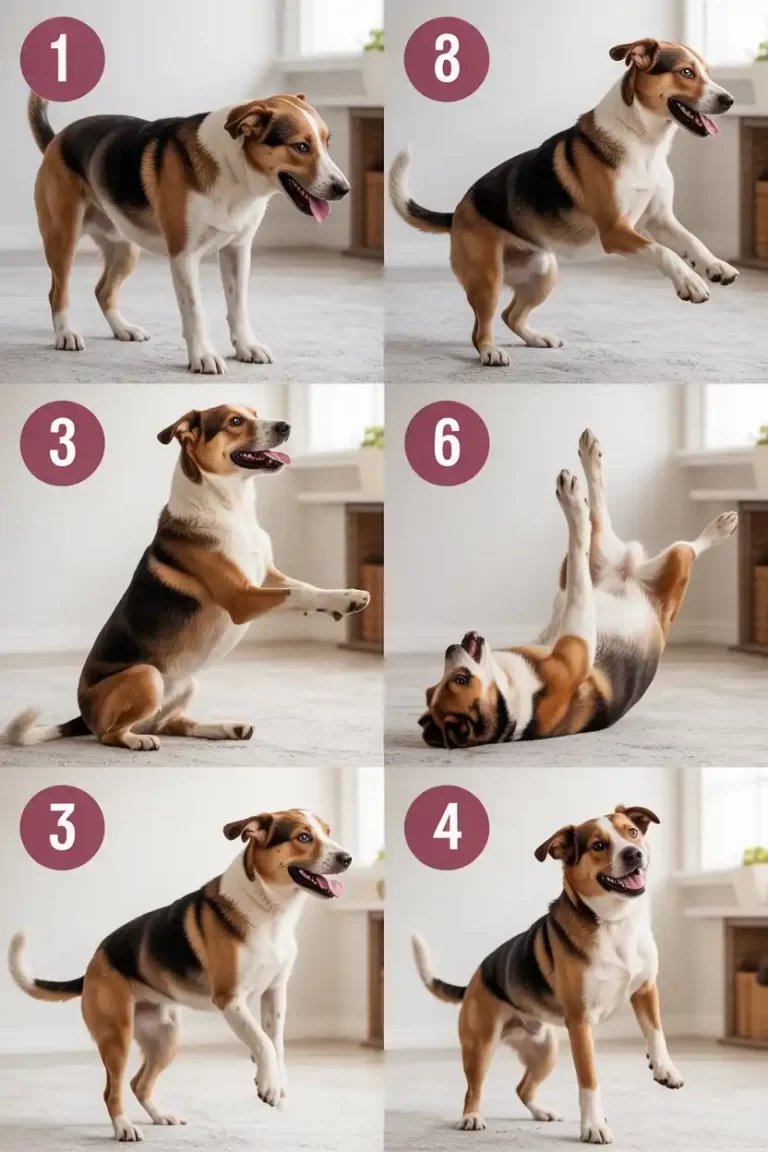
If you’re in the middle of german shepherd training, you’ve probably had at least one of these moments: your dog is brilliant at home, then suddenly “forgets everything” outside. One minute they’re cuddly, the next they’re pulling like a sled dog, barking at a leaf, or launching themselves at guests.
This breed is famous for being smart, loyal, and eager to work. But that same drive can turn into chaos without a clear plan and consistent daily practice. The good news is you don’t need harsh methods to get real results.
In this guide, you’ll learn how to build obedience, calm behavior, and great leash manners using positive reinforcement, simple routines, and realistic expectations 🐾. You’ll also get puppy vs. adult dog adjustments, equipment recommendations, and a timeline so you know what “progress” should look like.
💡 Why This Matters ?
German Shepherds are powerful, athletic dogs with big feelings and fast brains. When their needs aren’t met, they don’t usually get “a little naughty.” They get loud, jumpy, mouthy, and hard to manage in public.
Training matters because it protects your relationship and your lifestyle. A trained Shepherd can go everywhere with you, settle calmly at home, and handle new situations without melting down. It also improves safety—especially when you’re dealing with a dog that can easily out-muscle a human if they’re untrained.
Common frustrations I hear are: “My dog listens only when treats are out,” “He’s great until a dog appears,” and “She’s turning into a land shark.” With a structured approach, you can see noticeable changes in 2–6 weeks, and major reliability in 3–6 months ✅. You’re building a long-term skill set, not a quick fix.
🎓 Section 1: German Shepherd Training Foundations (Calm + Clarity)
Start with two goals: make your training easy to understand, and make calm behavior rewarding. A German Shepherd will happily work all day, but they need clear rules that don’t change depending on your mood.
Keep sessions short. For puppies, aim for 3–5 minutes. For adults, 5–10 minutes is perfect.
Use these basics to set your Shepherd up for success:
- Choose a reward your dog truly loves: treats, tug, or a ball. Make rewards match the difficulty.
- Train in low-distraction places first, then slowly “level up” to the yard, then the street, then busier areas.
- Use a consistent marker word like
Yesto tell your dog the exact moment they got it right.
Equipment that helps (especially for beginners):
- A flat collar for ID tags only, not pulling.
- A front-clip harness for leash work.
- A 10–15 ft long line for safe recall practice.
- A treat pouch so rewards are fast.
Actionable daily routine tips:
- Practice one obedience cue before meals (sit, down, or touch).
- Reward “doing nothing” when your dog settles on a mat.
- End sessions while your dog is still winning, not when they’re tired.
✅ Section 2: Step-by-Step German Shepherd Training (Obedience + Leash)
Now you’ll connect the foundation to real-life behavior. The key is to teach skills in a predictable order: attention first, then movement, then distractions.
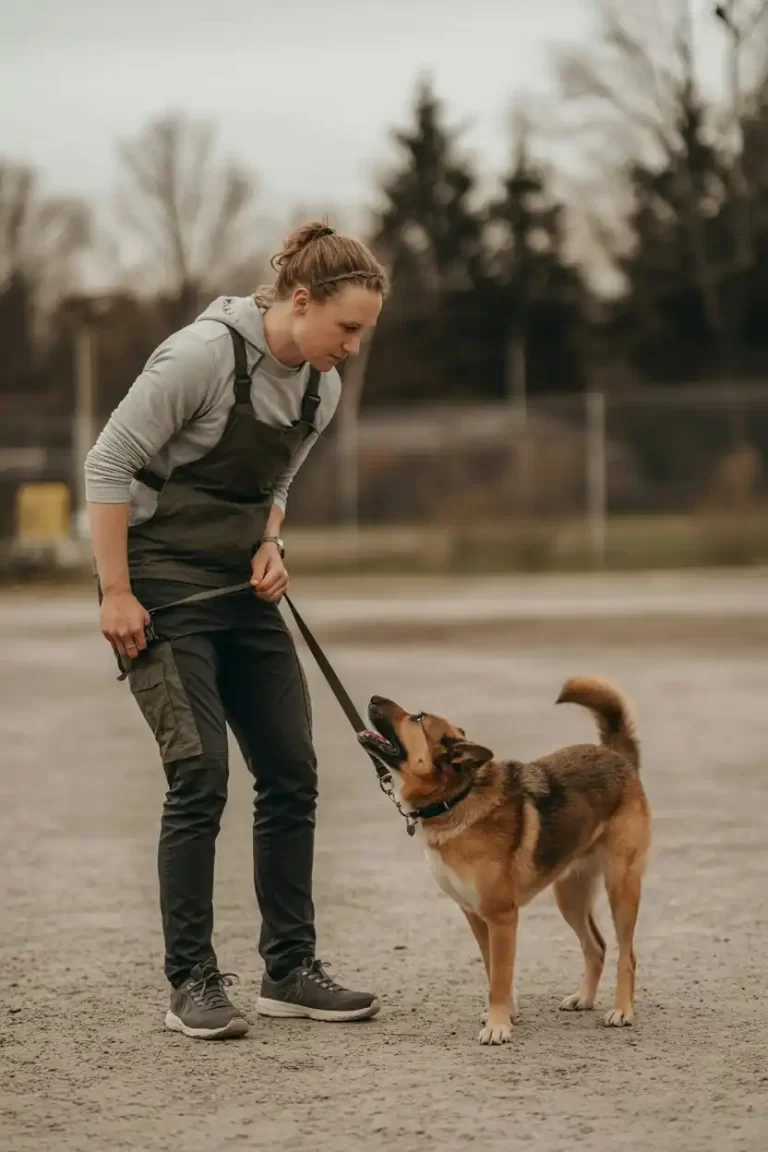
Leash walking steps (positive reinforcement)
- Stand still and wait for your dog to look at you.
- Mark
Yesand give a treat at your side. - Take 1–3 steps, then reward again while the leash is loose.
- If your dog pulls, stop and become a tree. No jerks, no yelling.
- When they return toward you, mark and reward, then continue.
Common mistake to avoid: walking forward while the leash is tight. That teaches your Shepherd that pulling works.
Obedience steps you should rotate daily
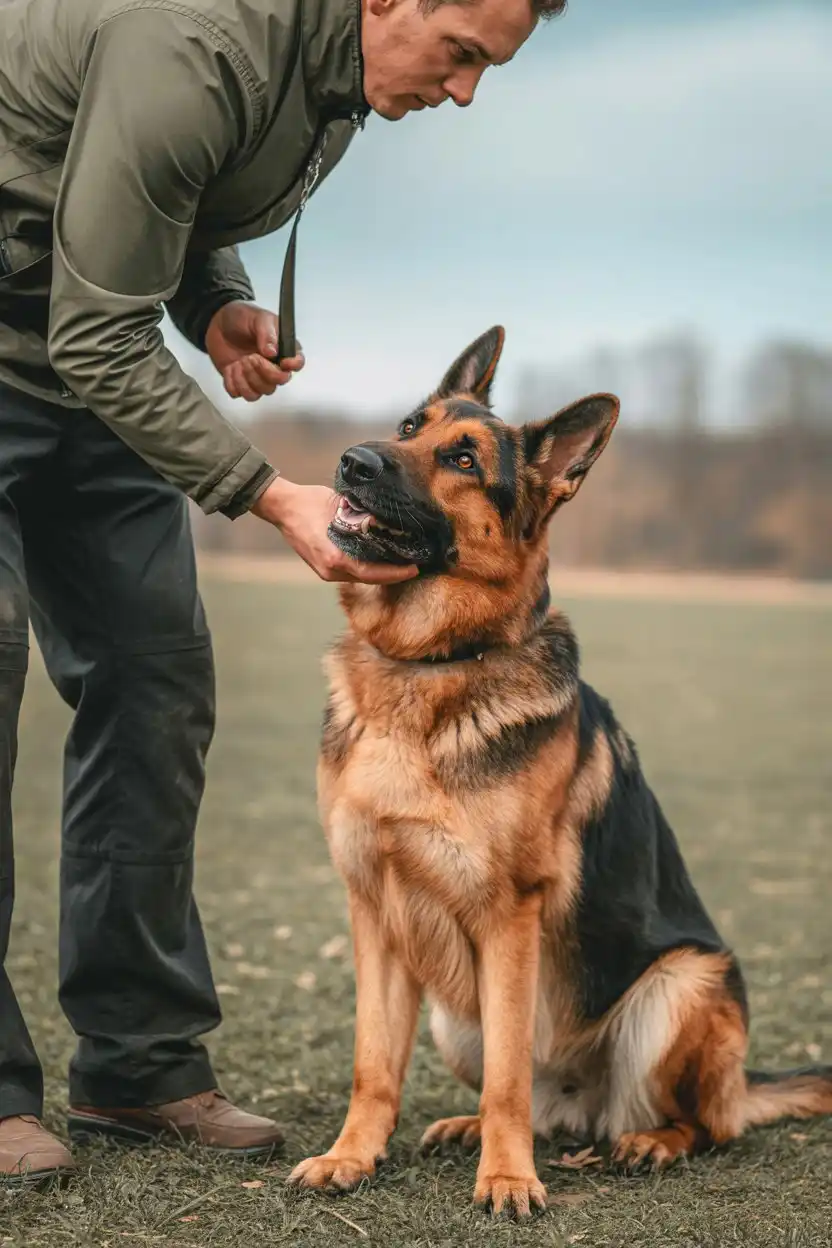
- “Name game” (attention): say their name once, reward eye contact.
- “Touch” (hand target): dog boops your hand, reward.
- “Down” for calm: lure down, reward, then release.
Troubleshooting (quick fixes that work):
- If your dog ignores treats outside, switch to higher value food (chicken, cheese) and reduce distractions.
- If your dog gets bitey during training, shorten sessions and add a tug break, then return to calm work.
- If your dog barks at triggers, increase distance until they can eat and respond.
Timeline expectation: you can often see looser leash walking indoors in 3–7 days, then outdoors improvements in 2–4 weeks with daily practice.
🏆 Section 3: Advanced German Shepherd Training (Impulse Control + Real Life)
This is where German Shepherds shine—when you channel their drive into skills that create calm, reliable behavior.
Teach impulse control using “earn what you want.” Your dog learns that calm behavior unlocks access to fun things like doors opening, greeting people, or chasing a ball.
Advanced skills to add:
- “Place” on a mat for guests and meal prep.
- “Leave it” for safety (food, trash, wildlife).
- “Recall” with a long line and big rewards.
Real-world example: your dog spots another dog and starts to tense up. Instead of yanking the leash, you ask for “touch,” reward, then step away and repeat. Over time, your Shepherd learns: seeing dogs predicts rewards and calm patterns.
Success indicator signs you’re progressing:
- Your dog checks in with you voluntarily on walks.
- The leash stays loose for longer stretches.
- Your dog can settle on a mat for 5–15 minutes while you move around.
Safety notes:
- Avoid off-leash freedom until recall is reliable in multiple places.
- Don’t rely on dog parks for socialization; controlled exposure is safer for many Shepherds.
🎥 Video Resource Section
❓ Common Questions
Q: What age should I start German Shepherd training? 🐕
A: Start immediately. Puppies learn with 3–5 minute games; adults can learn at any age with consistency.
Q: How do I stop my Shepherd from jumping on people? ✅
A: Reward four paws on the floor and teach “sit for greetings.” If they jump, remove attention and try again.
Q: My dog only listens when I have treats—what do I do? 💡
A: Keep rewards, but vary them. Add praise, toys, and life rewards (sniffing, going through doors) after the behavior.
Q: Is a prong collar necessary for this breed? ⚠️
A: Usually not. Many Shepherds respond better to clear positive reinforcement and impulse-control training.
🎉 Conclusion & Next Steps
German Shepherd training works best when you focus on attention, calm routines, and consistent rewards—especially in the environments where your dog struggles most. If you practice daily for a few minutes, you’ll build real-life obedience, better leash manners, and a dog that can settle instead of spinning up.
Your next step is simple: pick 2 skills (like “touch” and loose-leash walking) and train them every day for 14 days. Keep the sessions short, reward generously, and track progress week to week 🐾. Once those are solid, add “place,” “leave it,” and stronger recall to level up your german shepherd training.