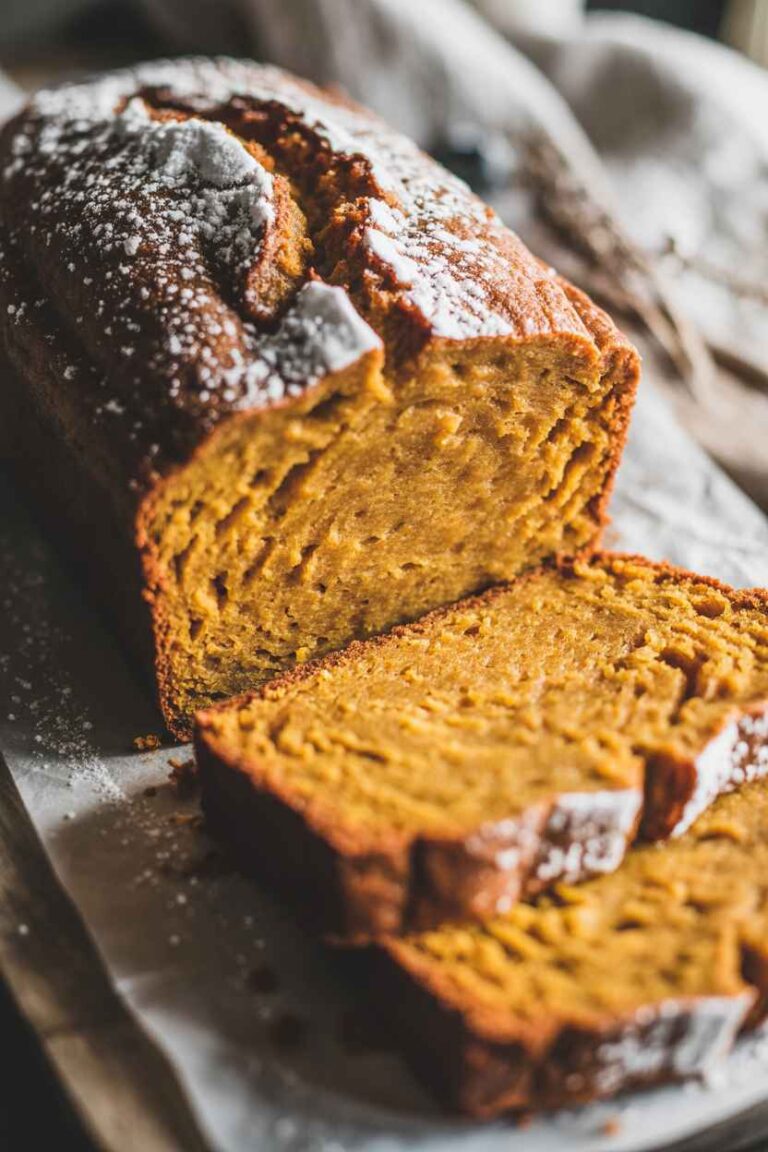
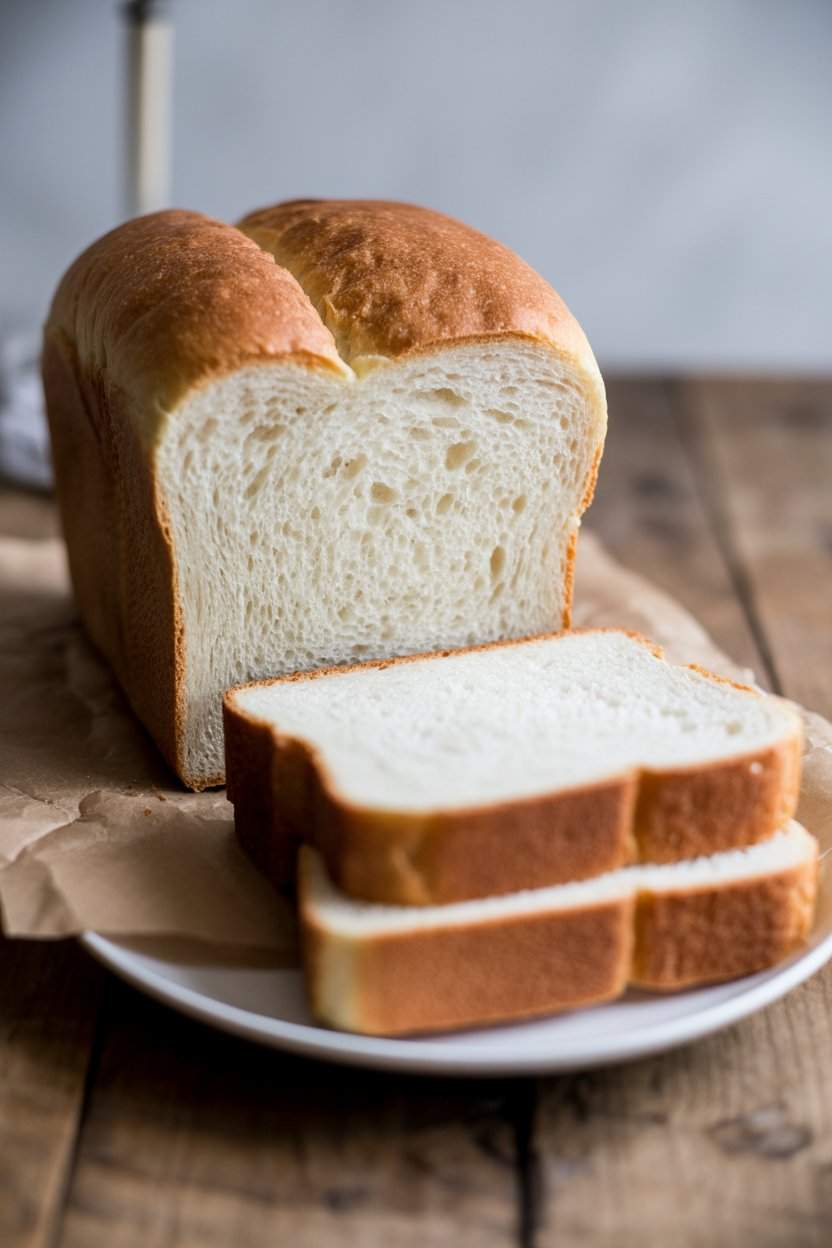
There’s something undeniably comforting and satisfying about sinking your teeth into a thick slice of homemade sourdough bread. The tangy flavor, the pillowy soft interior, and the perfectly golden crust – it’s a sensory experience that can transport you straight to a quaint European bakery. But you don’t need to be a professional baker to enjoy this artisanal delight. With the right recipe and a little patience, you can create a sourdough sandwich bread that will have your family and friends begging for more.
In this comprehensive guide, we’ll walk you through every step of making the ultimate sourdough sandwich bread. From cultivating a robust sourdough starter to shaping and baking the loaf, you’ll be equipped with the knowledge and techniques to craft a hearty and perfect sourdough bread that will become a staple in your kitchen. Get ready to elevate your sandwiches, toast, and more with this irresistible homemade treat.
Why This Will Be Your New Go-To Recipe ?
This sourdough sandwich bread recipe is truly special, and here’s why it will quickly become a household favorite:
First and foremost, the flavor is out of this world. The sourdough starter lends a delightful tang that perfectly complements the subtle sweetness of the bread. The long fermentation process also helps develop a complex, nuanced flavor profile that you simply can’t achieve with commercial yeast. Each slice is bursting with character and depth.
But it’s not just the taste that sets this recipe apart – the texture is equally impressive. The crumb is soft and pillowy, with a subtle chew that’s immensely satisfying. The crust, on the other hand, is perfectly golden and crisp, providing a delightful contrast. This bread is truly a masterpiece of both flavor and mouthfeel.
Ingredients
• 1 1/2 cups (355 ml) warm water
• 4 cups (500 g) bread flour or all-purpose flour
• 1 1/2 teaspoons (7.5 ml) salt
The key to this recipe is the sourdough starter. It’s what gives the bread its signature tang and incredible texture. While you can purchase a starter, I highly recommend taking the time to cultivate your own. It’s a rewarding process that will allow you to develop a deeper connection with your baking. The extra effort is well worth it.
Instructions
- Prepare the Starter: Before starting, make sure your sourdough starter is active and bubbly. Feed it with equal parts flour and water and let it sit at room temperature for 8-12 hours until it’s doubled in size and very active.
- Mix the Dough: In a large mixing bowl, combine the active sourdough starter, warm water, bread flour, and salt. Use a wooden spoon or your hands to mix the ingredients until a shaggy dough forms. Be careful not to overmix, as this can develop too much gluten and result in a tough texture.
- Knead the Dough: Turn the dough out onto a lightly floured surface and knead for 5-8 minutes, until the dough becomes smooth and elastic. Avoid adding too much extra flour during this process, as it can dry out the dough.
- First Rise: Place the dough in a lightly oiled bowl, cover with a damp towel or plastic wrap, and let it rise at room temperature for 8-12 hours. The dough should double in size during this time.
- Shape the Loaf: Gently punch down the dough to release any air bubbles. Shape the dough into a tight, oval-shaped loaf and place it seam-side down in a parchment-lined loaf pan.
- Second Rise: Cover the loaf pan with a damp towel or plastic wrap and let the dough rise for another 2-3 hours, until it’s just below the top of the pan.
- Bake the Bread: Preheat your oven to 425°F (220°C). Once the dough has finished its second rise, use a sharp knife or lame to score the top of the loaf in a zig-zag pattern. This will help the bread expand evenly during baking. Bake for 30-35 minutes, until the crust is a deep golden brown and the internal temperature reaches 205°F (96°C).
- Cool and Slice: Remove the bread from the oven and let it cool in the pan for 10 minutes. Then, transfer the loaf to a wire rack and let it cool completely, about 1-2 hours, before slicing and serving.
Timing Overview
• First Rise: 8-12 hours
• Second Rise: 2-3 hours
• Baking time: 30-35 minutes
• Cooling time: 1-2 hours
• Total Time: 12-18 hours
Nutritional Information
Nutritional information is an estimate per serving, based on 12 servings.
• Protein: 6 g
• Sodium: 370 mg
• Carbohydrates: 41 g
• Fat: 2 g
• Fiber: 2 g
How to Tailor This Recipe for Your Family ?
• To Make it Vegan: This recipe is already dairy-free, so to make it vegan, simply omit the egg wash and use a plant-based milk or water instead.
• To Add a Spicy Kick: Try incorporating a teaspoon of crushed red pepper flakes or finely chopped jalapeño into the dough for a subtle heat that pairs beautifully with the tangy sourdough flavor.
Ideas to Style Your Plate Like a Pro
• Garnish Suggestions: Garnish your sourdough toast with a drizzle of olive oil, a sprinkle of flaky sea salt, and a few sprigs of fresh thyme or rosemary.
• Beverage Pairing: This sourdough bread pairs wonderfully with a cup of hot, frothy coffee or a refreshing glass of crisp white wine.
How to Rescue This Recipe If Things Go Wrong ?
• Mistake 2 – Overbaking the Bread: If the crust is too dark and the interior is dry, try covering the loaf with foil during the last 10 minutes of baking to prevent further browning.
• Mistake 3 – Underproofing the Dough: If your bread doesn’t rise enough during the second proof, try letting it proof for a bit longer, or consider using a bit more starter in your next batch.
Refrigerating, Freezing, and Reheating Guide
• Freezing: This sourdough bread freezes exceptionally well. Wrap the cooled loaf tightly in plastic wrap or aluminum foil, then place it in a resealable freezer bag. It will keep for up to 3 months in the freezer.
• Reheating: To reheat, simply place the frozen or refrigerated loaf in a 350°F (175°C) oven for 10-15 minutes until warmed through and the crust is crisp again.
FAQs
Can I use all-purpose flour instead of bread flour?
Yes, you can use all-purpose flour instead of bread flour, but the texture of the final bread may be slightly different. Bread flour has a higher protein content, which helps create a chewier, more structured crumb. All-purpose flour will still work well, but the texture may be a bit more delicate.
How do I know if my sourdough starter is ready to use?
Your sourdough starter is ready to use when it’s doubled in size, with a bubbly, active appearance and a slightly tangy aroma. To test it, drop a small spoonful of the starter into a glass of water – if it floats, it’s ready to go!
Can I make this recipe without a loaf pan?
Absolutely! You can shape the dough into a free-form oval or round loaf and bake it on a parchment-lined baking sheet. Just be sure to adjust the baking time accordingly, as the bread may cook a bit faster without the insulation of a loaf pan.
How can I achieve a thicker, crunchier crust?
To get a thicker, crunchier crust, try misting the loaf with water before baking and again halfway through the baking time. You can also try placing a shallow baking dish filled with hot water in the oven during the baking process to create steam, which will help develop the crust.
Can I use this recipe to make sandwich rolls or buns?
Yes, you can absolutely use this sourdough bread dough to make sandwich rolls or buns. Simply divide the dough into equal pieces, shape them into rounds or ovals, and bake them on a parchment-lined baking sheet. Adjust the baking time as needed, checking for a deep golden-brown crust.
Enjoy Your Delicious Creation!
Now that you’ve mastered the art of making a perfect sourdough sandwich bread, the possibilities are endless! This versatile loaf can be enjoyed in so many ways – as the foundation for your lunchtime sandwiches, toasted for breakfast, or even used as the base for French toast or bread pudding. No matter how you slice it, this homemade sourdough will bring joy and satisfaction to your table. So, put on your apron, dive into this recipe, and get ready to impress your loved ones with your baking prowess. Bon appétit!

🍞 Hearty and Perfect Sourdough Sandwich Bread Recipe
⏱️ Timing Overview
🥘 Ingredients
📝 Instructions
- Before starting, make sure your sourdough starter is active and bubbly. Feed it with equal parts flour and water and let it sit at room temperature for 8-12 hours until it's doubled in size and very active.
- In a large mixing bowl, combine the active sourdough starter, warm water, bread flour, and salt. Use a wooden spoon or your hands to mix the ingredients until a shaggy dough forms. Be careful not to overmix, as this can develop too much gluten and result in a tough texture.
- Turn the dough out onto a lightly floured surface and knead for 5-8 minutes, until the dough becomes smooth and elastic. Avoid adding too much extra flour during this process, as it can dry out the dough.
- Place the dough in a lightly oiled bowl, cover with a damp towel or plastic wrap, and let it rise at room temperature for 8-12 hours. The dough should double in size during this time.
- Gently punch down the dough to release any air bubbles. Shape the dough into a tight, oval-shaped loaf and place it seam-side down in a parchment-lined loaf pan.
- Cover the loaf pan with a damp towel or plastic wrap and let the dough rise for another 2-3 hours, until it's just below the top of the pan.
- Preheat your oven to 425°F (220°C). Once the dough has finished its second rise, use a sharp knife or lame to score the top of the loaf in a zig-zag pattern. This will help the bread expand evenly during baking. Bake for 30-35 minutes, until the crust is a deep golden brown and the internal temperature reaches 205°F (96°C).
- Remove the bread from the oven and let it cool in the pan for 10 minutes. Then, transfer the loaf to a wire rack and let it cool completely, about 1-2 hours, before slicing and serving.