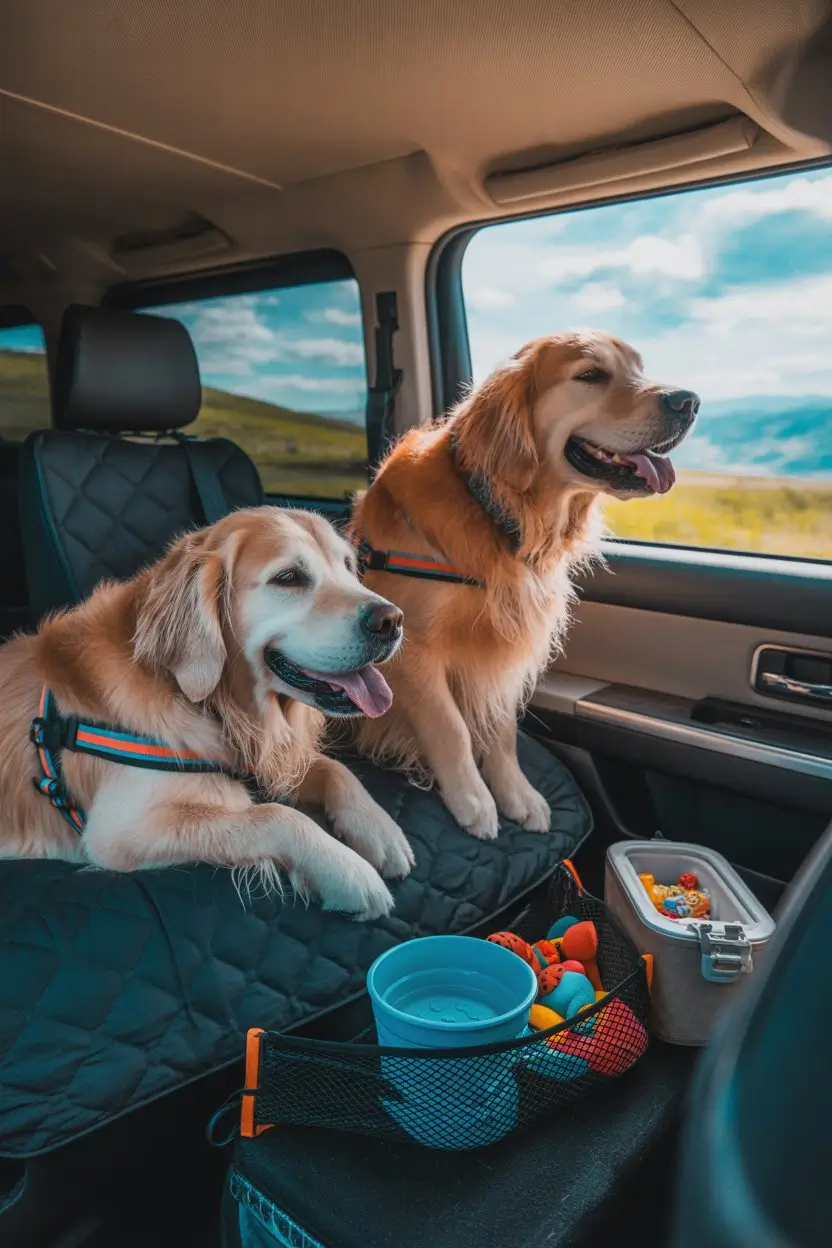
Picture this: You are cruising down the highway with your favorite playlist on. The sun is shining, and in the backseat, your dog is snoozing peacefully. There is no whining, no pacing, and definitely no motion sickness. Does this sound like a dream?
For many dog owners, the reality of a road trip is much more chaotic. From anxiety-induced barking to safety concerns, hitting the road with a pup can feel overwhelming. But it doesn’t have to be that way. With the right preparation and a few clever strategies, you can turn a nightmare drive into a bonding adventure.
In this guide, we are going to explore 7 traveling with dogs in car ideas that will transform your journeys. Whether you are planning a cross-country move or just a weekend getaway to the mountains, these tips cover everything from safety gear to mental enrichment.
You will learn how to prepare your vehicle, manage your dog’s anxiety, and keep them entertained for hours. By the end of this article, you will be ready to pack the car and hit the road with confidence. Let’s get your co-pilot ready for adventure!
Why This Matters for Your Dog 💡
Learning how to travel effectively with your dog is about much more than just convenience. It is fundamentally a safety issue for both you and your pet. A loose or anxious dog in a car is a major distraction for the driver.
According to safety studies, taking your eyes off the road for just two seconds doubles your risk of a crash. If you are turning around to soothe a whining dog or pushing them back into the rear seat, you are putting everyone at risk. Implementing these 7 traveling with dogs in car ideas ensures that your focus stays on the road.
Furthermore, travel anxiety is a very real condition for dogs. For some, the car predicts a trip to the vet; for others, the motion causes physical nausea. By ignoring these signs and “powering through,” you can actually make the fear worse over time.
However, when you take the time to train for car travel and set up the environment correctly, you open up a world of possibilities. You are no longer limited to walking your dog in your immediate neighborhood. You can explore new hiking trails, visit family, and create lasting memories together.
A dog that travels well is a dog that gets to be part of the family action more often. Investing time in these preparations now will pay off for the entire lifetime of your dog.
Section 1: Safety & Setup Foundations 🛡️
Before we even turn the key in the ignition, we need to talk about the physical setup of your vehicle. The foundation of a successful trip lies in how you secure and prepare the space. This section covers the first few of our 7 traveling with dogs in car ideas, focusing entirely on safety and environment.
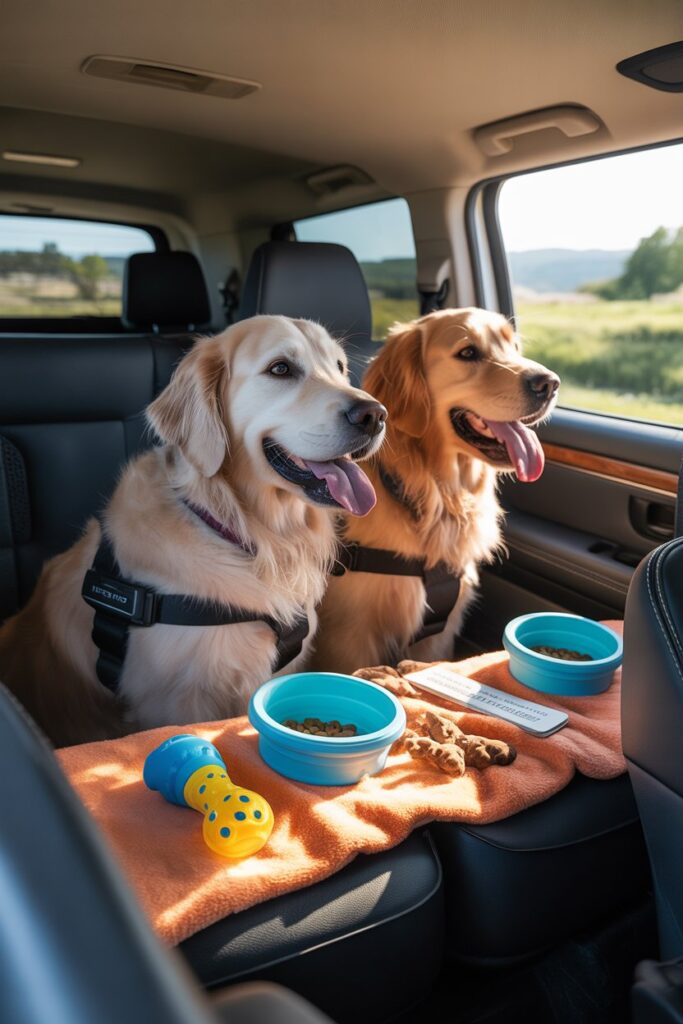
1. The Crash-Tested Crate or Harness
The most critical idea is proper restraint. A loose dog becomes a dangerous projectile in an accident. Do not rely on cheap, flimsy seatbelt tethers found at discount stores.
- Look for Center for Pet Safety (CPS) certified harnesses or crates.
- If using a crate, it must be anchored down so it doesn’t slide.
- If using a harness, ensure it connects directly to the vehicle’s LATCH system or seatbelt in a way that limits range of motion.
2. The “Den” Atmosphere
Dogs are den animals, and creating a cozy, enclosed space can significantly reduce anxiety. If your dog can see everything whizzing by at 60mph, it can be overstimulating.
- Cover the bottom half of a wire crate with a blanket to reduce visual stimuli.
- Use window shades on the rear passenger windows to block direct sun and reduce the “flicker” effect of passing trees.
- Place a piece of your unwashed clothing (like a t-shirt) in their space; your scent is incredibly calming to them.
3. Pre-Trip Energy Burn
This is often overlooked, but it is one of the most effective 7 traveling with dogs in car ideas. A tired dog is a good traveler. You cannot expect a dog full of pent-up energy to sit still for four hours.
- Go for a “decompression walk” (a long, sniff-heavy walk) 30 minutes before departure.
- Engage in a game of tug or fetch to burn off high-intensity adrenaline.
- Avoid feeding a heavy meal right before leaving to prevent motion sickness; aim to feed 2-3 hours prior.
Practical Tip: If your dog is new to the car, do not start with a road trip. Spend a week just sitting in the parked car with the engine off, feeding them high-value treats. This builds a positive association with the vehicle itself.
Best Pet Training Products We Recommend
Product | Product Name | Rating | See Today’s Price |

| Dog Training Clicker with Wrist Strap | ; | |

| Adjustable No-Pull Dog Harness (Training & Walking) | ; | |

| Pet Training Treat Pouch (Hands-Free Snack Bag) | ; | |

| Interactive Dog Training Toy (Mental Stimulation) | ; | |

| Cat & Dog Potty Training Pads (Super Absorbent) | ; |
Section 2: Entertainment & Comfort During the Drive ✅
Now that you are on the road, how do you keep your dog happy? Boredom often leads to destruction or vocalization (whining/barking). This section dives into the methodology of keeping a dog occupied and comfortable while the wheels are turning.
4. Long-Lasting Chews and Frozen Treats
This is a game-changer for keeping dogs quiet. Licking and chewing are self-soothing behaviors that release endorphins in a dog’s brain.
- Prepare frozen Kongs or Toppls stuffed with dog-safe peanut butter, yogurt, or soaked kibble.
- Bring a bully stick or a yak chew specifically for the car ride (ensure you are supervising to prevent choking).
- Safety Note: Only give chews if your dog is in a secure crate or separated from the driver to prevent the treat from rolling under the brake pedal.
5. Temperature and Airflow Management
Dogs run hotter than humans, and the back of an SUV can get stuffy even when the AC is on. Poor temperature control is a leading cause of restlessness.
- If you don’t have rear air vents, invest in a portable, battery-operated fan (specifically designed for crates) to clip onto their kennel.
- Keep the car slightly cooler than you might prefer for yourself.
- Monitor for panting; heavy panting is a sign of stress or overheating.
Common Mistake to Avoid:
Do not let your dog hang their head out the window at high speeds. While it looks cute, debris can damage their eyes, and the forced air can actually harm their lungs. Instead, crack the window just an inch to let the scents in without the risk.
Step-by-Step Routine for the Drive:
- Start Calm: Put the dog in the car calmly; do not hype them up.
- Settle: Give them their long-lasting chew immediately.
- Music: Play “Through a Dog’s Ear” or classical music at a low volume.
- Check-ins: visually check on them every 30 minutes, but avoid talking to them constantly if they are settling, as this might wake them up.
Section 3: Advanced Troubleshooting & The “Sniffari” 🏆
Even with the best preparation, long trips can be tough. This section covers advanced techniques for handling anxious dogs and how to structure your stops effectively. These final entries in our 7 traveling with dogs in car ideas focus on the logistics of the journey.
6. The “Sniffari” Pit Stop Strategy
When you stop for gas or a bathroom break, do not just rush the dog to a patch of grass and back. Make the stop count.
- A “Sniffari” is a walk where the dog leads the way and is allowed to sniff as much as they want.
- Sniffing lowers a dog’s pulse rate and mentally tires them out faster than physical exercise.
- 15 minutes of intense sniffing at a rest stop is worth 45 minutes of walking in terms of relaxation value.
7. Managing Motion Sickness and Anxiety
If your dog drools excessively, vomits, or trembles, they likely have motion sickness. This requires a proactive approach.
- Consult your Vet: Ask about Cerenia (for nausea) or trazodone/gabapentin (for anxiety) for long hauls.
- Natural Aids: Try ginger chews (dog-safe) or calming pheromone sprays like Adaptil on their bedding 15 minutes before travel.
- Visual Blocking: Sometimes covering the crate completely so they cannot see the motion outside is the only cure for visual-induced sickness.
Success Indicators:
How do you know these techniques are working?
- The “Head Down” sign: Your dog rests their chin on their paws or the seat.
- Deep Sleep: You see them dreaming or twitching in sleep.
- Silence: The absence of whining or pacing is the ultimate win.
Real-World Example:
“Buster,” a 2-year-old Boxer, used to bark at every truck that passed. His owners implemented Idea #2 (The Den Atmosphere) by using a crate cover and playing an audiobook. By blocking the visual trigger of the trucks and providing auditory masking, Buster now sleeps through 4-hour drives to the lake.
Video Tutorial Guide 🎥
Frequently Asked Questions ❓
Q: Should my dog sit in the front seat or the back?
A: Always the back. The front seat is dangerous due to the passenger airbag. If an airbag deploys, it can kill or severely injure a dog. The back seat (or the cargo area of an SUV, if crated) is the safest zone.
Q: How often should I stop for my dog?
A: A good rule of thumb is every 2 to 3 hours for puppies and every 3 to 4 hours for adult dogs. Even if they don’t need to potty, they need to stretch their legs and drink water.
Q: My dog whines the whole time, what should I do?
A: Ignore the whining if their needs (potty/water) are met. If you talk to them or pet them while they whine, you are reinforcing the behavior. Instead, wait for a brief moment of silence, then toss a treat to the back. Reward the silence, not the noise.
Q: Can I feed my dog while the car is moving?
A: Small treats or frozen Kongs are fine, but avoid full meals. A full stomach combined with the motion of the car is a recipe for vomit. Feed their main meal when you reach your destination or during a long stopped break.
Conclusion & Your Next Steps 🎉
Traveling with your canine companion doesn’t have to be a source of stress. By implementing these 7 traveling with dogs in car ideas, you are setting the stage for a lifetime of adventures.
Remember, preparation is key. Start by securing the right safety gear, like a crash-tested harness or crate. Then, focus on creating a calm environment with blocked visuals and soothing scents. Don’t forget the power of a frozen treat to keep them occupied!
Your Action Plan:
- Assess your current car safety setup this week.
- Purchase or prepare a long-lasting chew for your next drive.
- Take a short 15-minute practice drive to a fun location (like a park) to build positive associations.
Every positive experience builds confidence. Be patient with your dog, celebrate the small wins, and soon enough, your dog will be hopping into the car with a wagging tail, ready for wherever the road takes you. Safe travels! 🚗🐾