Bringing a new puppy home is one of the most exciting moments in life, but it can also feel incredibly overwhelming. You look at that cute little bundle of fur and wonder, “Where do I even start?” Don’t worry, you aren’t alone in feeling this way! A solid puppy training schedule is your roadmap through the chaos of potty accidents, teething, and sleepless nights.
Without a plan, it’s easy to feel like you’re just putting out fires instead of building a foundation. But with a structured timeline, you can relax knowing you are teaching the right skills at the right time. This guide breaks down exactly what to focus on during each developmental stage of your puppy’s first year.
We will cover everything from the first week they come home to the rebellious adolescent phase. You’ll learn how to socialize safely, when to introduce commands, and how to potty train effectively. By following this puppy training schedule, you’re setting your new best friend up for a lifetime of happiness and good behavior. Let’s get started on this journey together! 🐾
Why This Matters for Your Dog 💡
Establishing a consistent puppy training schedule isn’t just about having a dog that does cool tricks; it’s about creating a language between you and your pet. Dogs thrive on routine and clear expectations. When your puppy knows what to expect from their day—when they eat, sleep, and train—their anxiety levels drop significantly.
Many behavioral issues, such as separation anxiety, destructive chewing, and excessive barking, stem from a lack of structure early in life. By implementing a schedule now, you are proactively preventing these headaches later. It saves you from the frustration of guessing what your dog needs.
Furthermore, training is the ultimate bonding experience. It builds trust and respect, transforming your relationship from just “owner and pet” to a true partnership. A well-socialized and trained dog is a safe dog. They can navigate the world with confidence, come when called in dangerous situations, and greet strangers politely.
Investing time in a schedule now pays dividends for the next 15 years. You aren’t just training a puppy; you are raising a family member who is a joy to live with. 🌟
Section 1: The Critical First Weeks (8-10 Weeks Old) 🎓
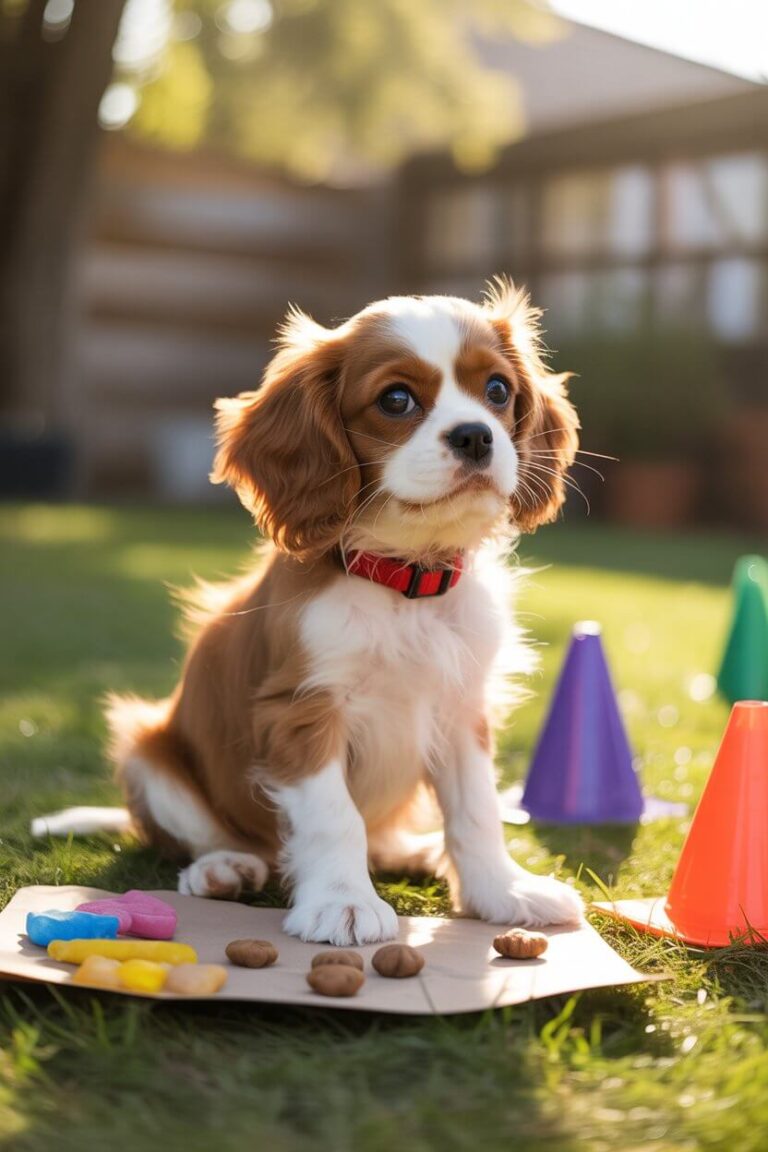
The first few weeks with your puppy are all about adjustment, bonding, and laying the groundwork. Your puppy training schedule during this phase should focus heavily on management and immediate needs rather than complex obedience.
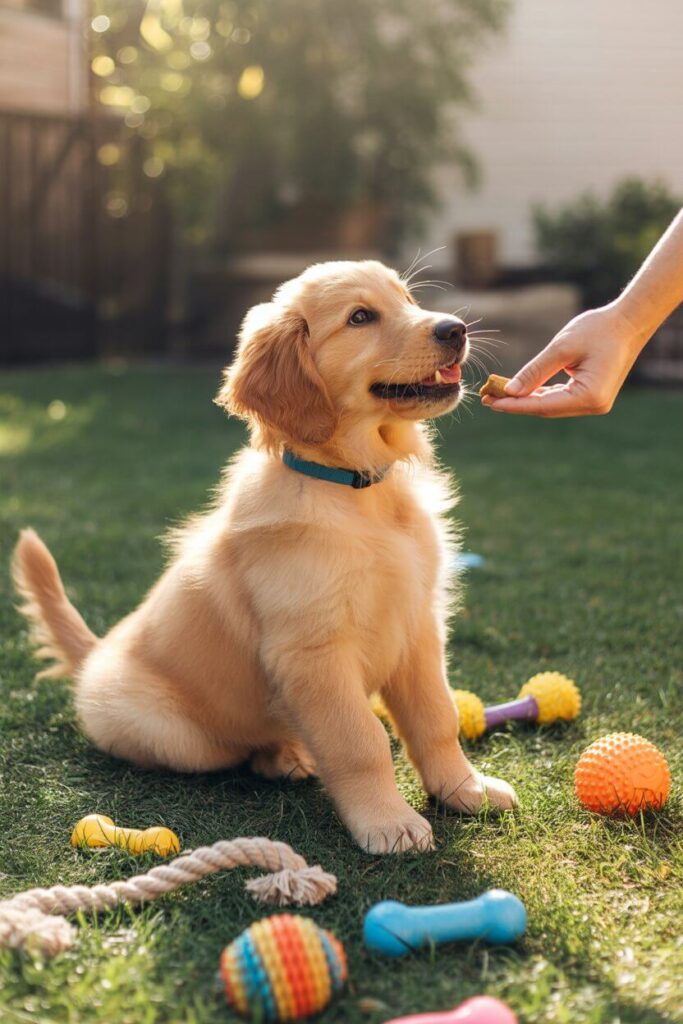
At 8 to 10 weeks, your puppy has a very short attention span. Training sessions should be incredibly brief—think 1 to 2 minutes at a time. The primary goal is to make learning fun and rewarding using positive reinforcement.
Key Focus Areas for 8-10 Weeks:
- Potty Training Basics: Take your puppy out immediately after waking up, eating, playing, or napping. Reward heavily when they go outside.
- Crate Training Introduction: Make the crate a happy place. Feed meals in there and give special treats so they associate it with positivity.
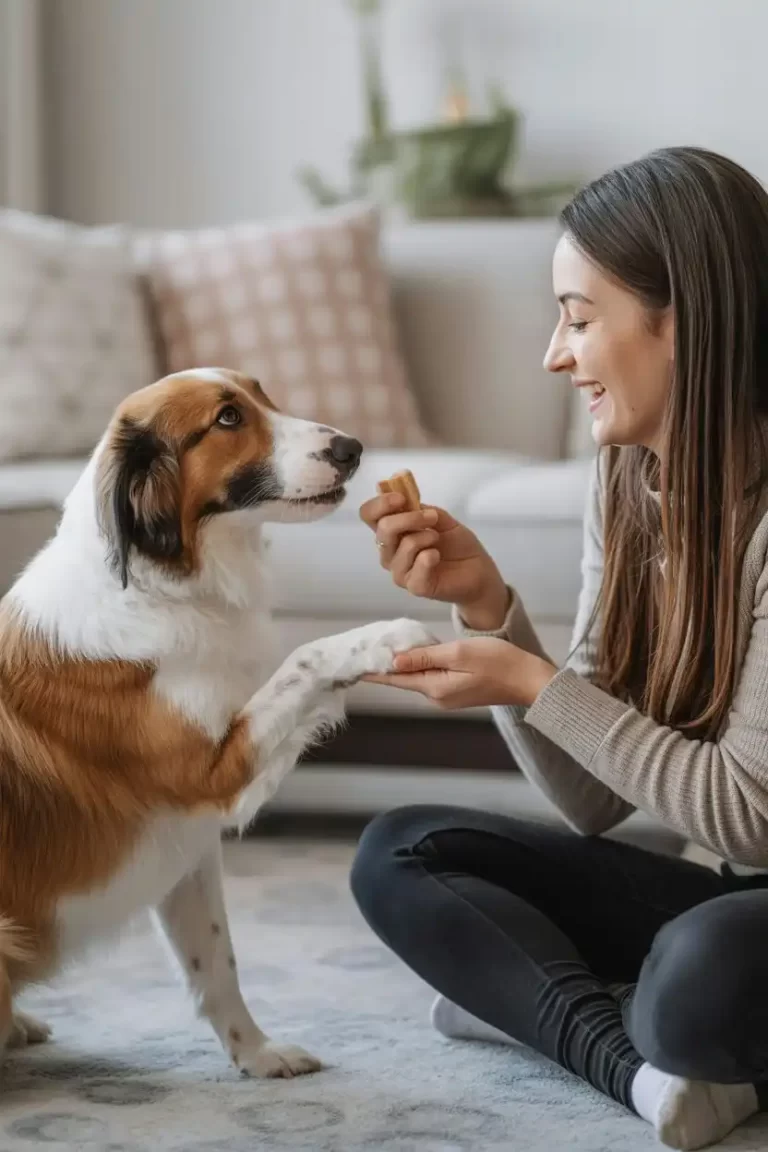
- Name Recognition: Say their name, and when they look at you, mark it with a “Yes!” and a treat. Do this dozens of times a day.
- Socialization (Safety First): Carry your puppy to meet new people and see new sights, but keep paws off the ground in public areas until fully vaccinated.
- Bite Inhibition: When they nip, redirect them to a toy. If they bite hard, stop play immediately so they learn that teeth on skin ends the fun.
Actionable Tips:
- Keep a strict feeding schedule to predict potty times.
- Use a “puppy zone” or playpen to keep them out of trouble when you can’t supervise.
- Handle their paws, ears, and mouth gently to prepare for future grooming and vet visits.
Remember, they are babies. Accidents will happen, and patience is your most valuable tool right now.
Section 2: Building Foundations (10-16 Weeks Old) ✅
This period is often called the “fear period” or the critical socialization window. What happens in your puppy training schedule between 10 and 16 weeks can shape your dog’s personality for life.
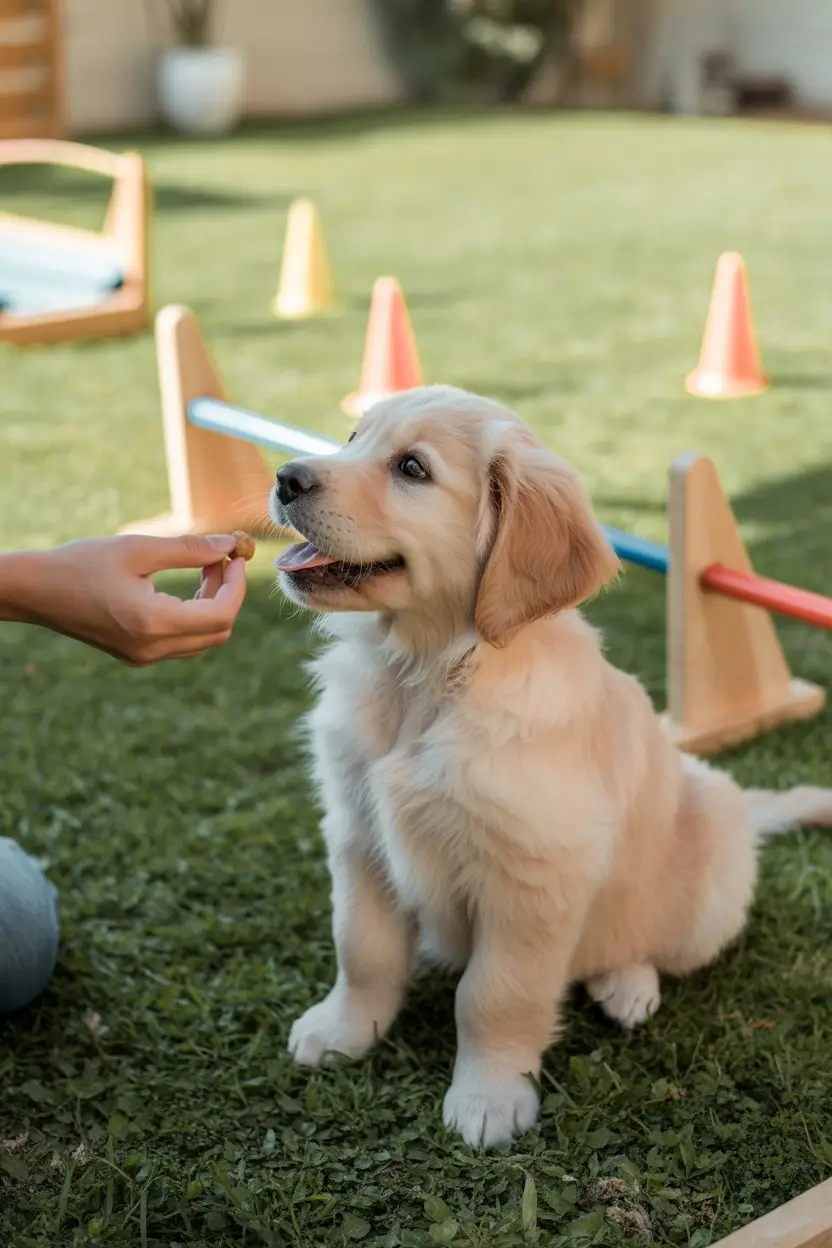
Your puppy is now ready for more structured learning. Their brain is like a sponge, soaking up every experience. This is the prime time to introduce basic commands that will serve as the pillars of their behavior.
Key Focus Areas for 10-16 Weeks:
- “Sit,” “Down,” and “Stay”: Start teaching these core commands in a quiet, distraction-free room.
- Leash Walking: Introduce the collar and leash indoors first. Let them drag the leash around (supervised) to get used to the weight before trying to walk outside.
- Recall (Come): Practice calling your puppy back and forth between two people in a hallway. Make it a huge party when they arrive!
- Exposure to Sounds and Surfaces: Let them walk on tile, carpet, grass, and gravel. Play sounds of thunder or traffic at a low volume while feeding them.
- Impulse Control: Ask your puppy to “sit” before putting their food bowl down. They learn that calmness gets them what they want.
Common Mistakes to Avoid:
- Over-exercising: Their growth plates are still soft. Avoid long runs or repetitive jumping.
- Inconsistency: Everyone in the household must use the same command words. If Dad says “Down” and Mom says “Off,” the puppy will be confused.
- Scolding for Accidents: Never punish a puppy for a potty accident you didn’t see happen. Just clean it up and supervise better next time.
By the end of this phase, your puppy should be comfortable with basic handling and starting to understand that listening to you brings good things.
Best Pet Training Products We Recommend
Product | Product Name | Rating | See Today’s Price |

| Dog Training Clicker with Wrist Strap | ; | |

| Adjustable No-Pull Dog Harness (Training & Walking) | ; | |

| Pet Training Treat Pouch (Hands-Free Snack Bag) | ; | |

| Interactive Dog Training Toy (Mental Stimulation) | ; | |

| Cat & Dog Potty Training Pads (Super Absorbent) | ; |
Section 3: Adolescence and Advanced Skills (4-6 Months+) 🏆
Welcome to the teenage phase! Around 4 to 6 months, your puppy training schedule will face its biggest test. Your puppy might seem to “forget” everything they learned or choose to ignore you. This is normal but requires persistence.
During this stage, your dog is becoming more independent and their adult teeth are setting in. Hormonal changes can also affect behavior. Your goal is to proof their skills against distractions and solidify their reliability.
Key Focus Areas for 4-6 Months and Beyond:
- Proofing Commands: Ask for a “Sit” or “Stay” in the backyard, at the park, or while other dogs are nearby. Increase the “3 Ds”: Duration, Distance, and Distraction.
- “Leave It” and “Drop It”: These are life-saving commands. Practice trading a toy for a high-value treat to teach them that giving up an item is rewarding.
- Heel / Loose Leash Walking: Stop walking the moment the leash goes tight. Only move forward when the leash is loose.
- Place / Go to Bed: Teach your dog to go to a specific mat and stay there until released. This is vital for dinner time or when guests arrive.
- Emergency Recall: Establish a special whistle or word that always results in the “jackpot” reward (like steak or cheese) for emergencies.
Success Indicators:
- Your dog checks in with you (looks at you) during walks without being asked.
- They can hold a “Stay” while you walk across the room.
- They stop nipping entirely and have finished teething.
It is also recommended to read :
7 Traveling With Dogs In Car Ideas: The Complete Safety & Fun Manual
Complete Cavalier King Charles Spaniel Training Guide
The Ultimate Reactive Dog Training Tips for Calm Walks
Advanced Techniques:
- Fade the Lure: Stop holding a treat in your hand to guide them. Use a hand signal, then reward from your pocket or a treat pouch after they comply.
- Variable Reinforcement: Don’t treat every single time for known commands. Treat every 2nd or 3rd time to keep them guessing and working harder (like a slot machine).
Stick to the plan. Adolescence is temporary, but the training you reinforce now becomes permanent.
Video Tutorial Guide 🎥
Frequently Asked Questions ❓
Q: How long should training sessions be for a young puppy?
A: Keep sessions very short! For an 8-week-old puppy, 2 to 5 minutes is plenty. Aim for 3 to 5 of these “micro-sessions” throughout the day rather than one long block. If your puppy starts wandering off or biting, they are tired—end the session on a positive note immediately.
Q: My puppy was doing great, but now at 6 months, he ignores me. What happened?
A: This is the “adolescent regression.” Just like human teenagers, teenage dogs test boundaries. It doesn’t mean your puppy training schedule failed. You need to take a step back: lower your criteria, increase the value of your treats, and go back to basics for a few weeks until they settle down.
Q: Is it too late to start a training schedule if my dog is already a year old?
A: Absolutely not! While puppies are like sponges, older dogs can definitely learn new tricks. The process might take a little longer if they have existing bad habits to unlearn, but the methods—consistency, patience, and positive reinforcement—remain exactly the same.
Q: What if my puppy hates the crate?
A: Never use the crate as punishment. Start slow. Feed them meals in there with the door open. Play games where you toss toys inside. Gradually close the door for seconds, then minutes. If they panic, you may be moving too fast. Go back a step in your training plan.
Conclusion & Your Next Steps 🎉
Creating and sticking to a puppy training schedule is the single best investment you can make for your dog’s future. We’ve covered the delicate early weeks, the critical socialization period, and the challenging teenage phase. Remember, progress is rarely a straight line. There will be great days where your puppy feels like a genius, and days where you wonder if they’ve forgotten their own name.
Take a deep breath and trust the process. Consistency is key. Celebrate the small wins, whether it’s a dry night without accidents or a perfect “sit” at the park.
Your Next Steps:
- Print out a weekly calendar and mark your training goals.
- Prepare your treat pouch with high-value rewards.
- Start your first 5-minute session today!
You’ve got this! With love, patience, and this schedule, you are raising a wonderful companion. Happy training! 🐕💕