
Bringing a Siberian Husky into your home is like inviting a tornado of joy, energy, and fur into your life. If you are wondering how to take care of husky dogs effectively, you are already taking the right first step. These stunning dogs are known for their striking blue or multi-colored eyes and wolf-like appearance, but they come with a personality that is just as distinct.
Owning a Husky is not just about having a pet; it is about adopting a lifestyle. They are incredibly intelligent, notoriously stubborn, and possess energy levels that can outlast even the most active owners. This guide is designed to help you navigate the unique challenges of the breed, from managing their dramatic “tantrums” to handling their heavy shedding.
By understanding their specific needs, you will build a bond that is deep and rewarding. Whether you are a first-time owner or adding another sled dog to your pack, we will cover the essentials to ensure your Husky thrives. Get ready for a wild, wonderful ride with your new best friend! 🐾
Why This Matters for Your Dog 💡
Understanding how to take care of husky breeds goes far beyond just feeding them and taking them for a walk. These dogs were bred to pull sleds over vast distances in freezing temperatures, meaning their biological drive to run and work is intense. Without a proper outlet, that drive can turn into destructive behavior like chewing your favorite furniture or digging escape tunnels in the backyard.
Many Huskies end up in shelters simply because their owners didn’t understand the level of commitment required. By learning the proper care techniques now, you are preventing future heartbreak and frustration. You are setting your dog up for success, ensuring they are mentally stimulated and physically exhausted in a healthy way.
Proper care also addresses their unique health needs. From their double coat that requires specific grooming to their sensitive stomachs, knowing what to expect allows you to catch issues early. When you meet their needs, a Husky transforms from a chaotic roommate into a loyal, affectionate, and hilarious family member. The effort you put in now pays off in a happy, well-adjusted dog. 🌟
Section 1: Mastering Exercise and Mental Stimulation 🏃
The most critical aspect of learning how to take care of husky dogs is managing their boundless energy. A bored Husky is a destructive Husky. These dogs are endurance athletes, and a simple 20-minute walk around the block will barely be a warm-up for them. You need to incorporate vigorous physical exercise into their daily routine to keep them calm at home.
Aim for at least 60 to 90 minutes of active exercise every single day. This could include running, hiking, or biking alongside you. If you have a fenced yard, fetch is great, but remember that Huskies are independent thinkers and might not always bring the ball back.
Mental stimulation is just as important as physical activity. Their intelligence means they need jobs to do. Puzzle toys, hide-and-seek games with treats, and obedience training sessions help burn off mental energy.
Practical Tips:
- The “Tired Dog” Rule: A tired Husky is a good Husky. If they are acting out, they likely need more exercise.
- Secure the Perimeter: Huskies are escape artists. Ensure your fence is at least 6 feet high and buried a few inches underground to prevent digging.
- Weighted Backpacks: Have your adult Husky wear a dog backpack with water bottles on walks. It gives them a “job” and burns energy faster.
Common Mistake to Avoid:
- Never trust a Husky off-leash in an unfenced area. Their prey drive is incredibly high, and they will run for miles without looking back if they see a squirrel.
Section 2: Grooming the Double Coat Effectively 🛁
When asking how to take care of husky coats, you must be prepared for fur lots of it. Huskies have a thick double coat consisting of a soft, insulating undercoat and a coarser topcoat. This protects them from both cold and heat, acting as natural insulation.
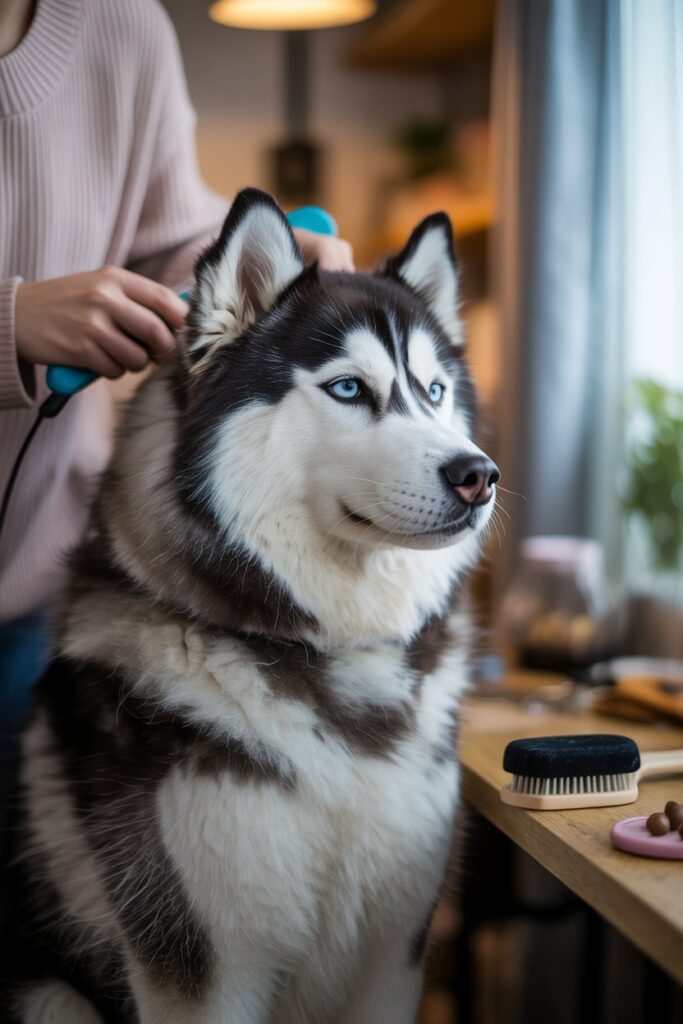
You should never shave a Husky. Shaving ruins their ability to regulate their body temperature and can lead to sunburn and skin issues. Instead, commit to a rigorous brushing schedule. During most of the year, brushing them once or twice a week is sufficient to keep the coat healthy and reduce shedding.
However, twice a year (usually spring and fall), they “blow their coat.” This means they shed their entire undercoat in massive clumps. During this time, daily brushing is mandatory to prevent your house from looking like a snow globe.
Step-by-Step Grooming:
- Line Brushing: Use a slicker brush or undercoat rake. Part the fur and brush from the skin out to remove loose hair trapped underneath.
- Bath Time: Bathe them only when necessary (every few months). Over-bathing strips natural oils. Use a deshedding shampoo.
- High-Velocity Dryer: If you bathe them at home, a high-velocity dryer is a game-changer for blowing out loose undercoat.
Success Indicators:
- Your dog’s coat should look fluffy and clean, not matted or greasy.
- You should be able to run your fingers through their fur without snagging on tangles.
It is also recommended to read :
Step-by-Step Puppy Training Schedule: What to Teach and When
Complete Mental Stimulation for Dogs DIY: 15 Easy Games
Complete Cavalier King Charles Spaniel Training Guide
7 Traveling With Dogs In Car Ideas: The Complete Safety & Fun Manual
Section 3: Training and Socialization Strategies 🎓
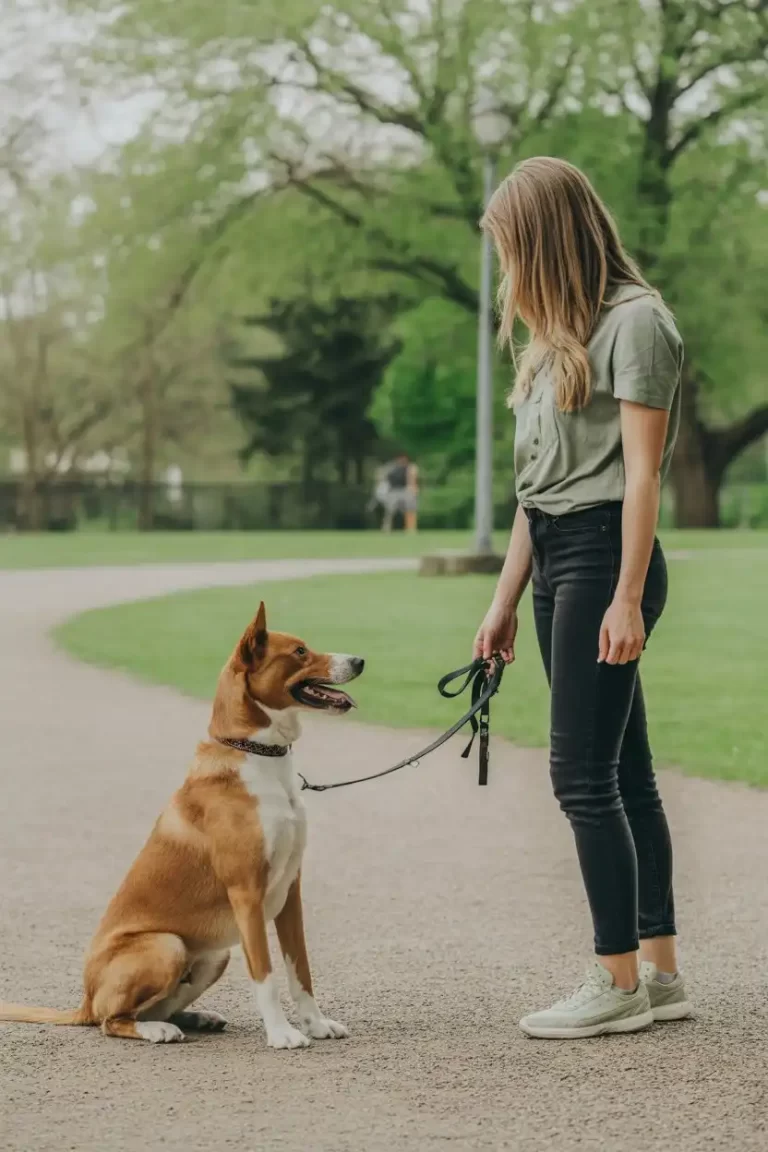
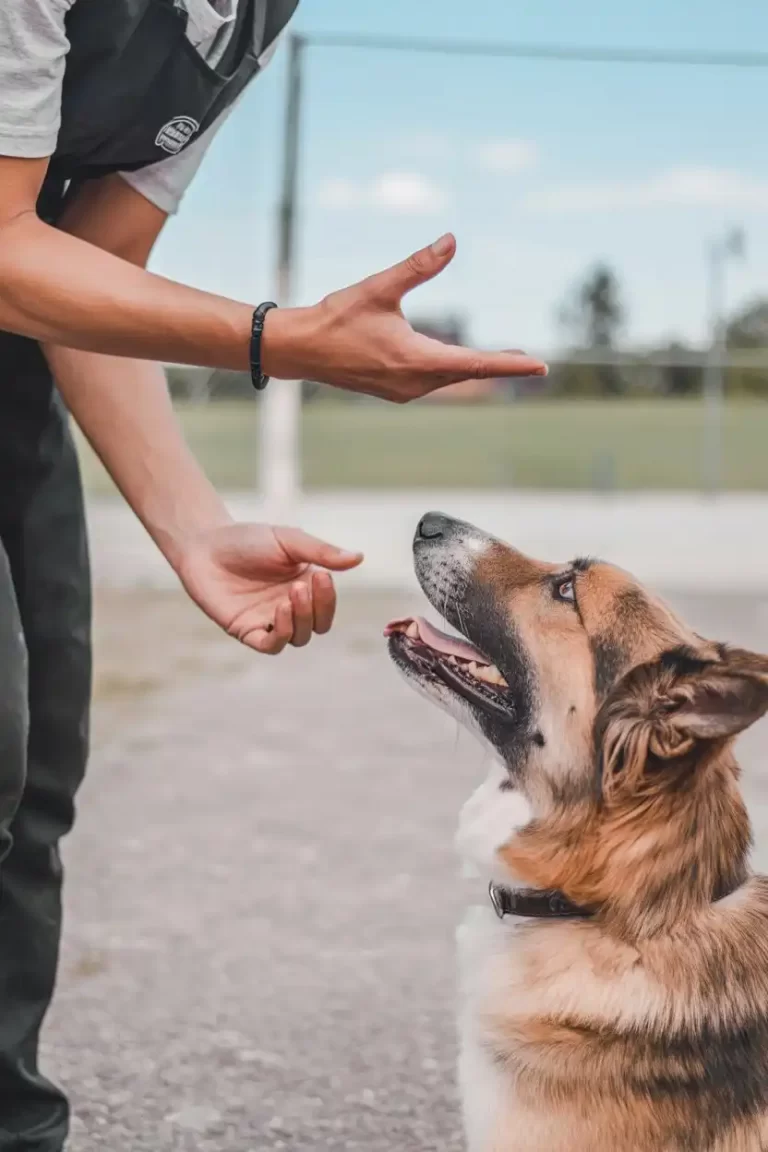
Training is often the hardest part of figuring out how to take care of husky puppies and adults. They are not people-pleasers like Golden Retrievers; they are independent thinkers who will ask, “What’s in it for me?” Positive reinforcement is the only way to go. Harsh methods will only make a Husky stubborn or fearful.
Start socialization immediately. Introduce your puppy to different people, dogs, sounds, and surfaces. Huskies can be aloof with strangers, so positive early experiences are key to raising a friendly dog.
Focus heavily on recall training, but manage your expectations. Even the best-trained Huskies may have “selective hearing” outdoors. Always use high-value treats like freeze-dried liver, cheese, or boiled chicken to keep their attention during sessions.
Best Pet Training Products We Recommend
Product | Product Name | Rating | See Today’s Price |

| Dog Training Clicker with Wrist Strap | ; | |

| Adjustable No-Pull Dog Harness (Training & Walking) | ; | |

| Pet Training Treat Pouch (Hands-Free Snack Bag) | ; | |

| Interactive Dog Training Toy (Mental Stimulation) | ; | |

| Cat & Dog Potty Training Pads (Super Absorbent) | ; |
Advanced Techniques:
- Nothing in Life is Free: Make your Husky “earn” everything. Ask for a sit before putting down the food bowl or opening the door. This establishes you as the leader gently.
- Crate Training: This is essential for safety when you are not home. Make the crate a happy place with treats and toys, never a punishment.
- Leash Manners: Huskies are sled dogs; they are born to pull. Use a front-clip harness to discourage pulling without hurting their neck.
Common Issues:
- Howling/Talking: Huskies are vocal. Ignore demand barking or howling. Reward them only when they are quiet to avoid reinforcing the noise.
Video Tutorial Guide 🎥
Frequently Asked Questions ❓
Q: Can Huskies live in hot climates?
A: Yes, but with precautions. Air conditioning is a must. Limit exercise to early mornings or late evenings when it is cooler. Never shave their coat, as it actually insulates them from the heat as well as the cold. ☀️
Q: How much should I feed my Husky?
A: Huskies have efficient metabolisms and often eat less than other dogs their size. Follow the guidelines on high-quality dog food (protein-rich is best), but adjust based on activity level. If they leave food, do not worry; they eat only until full. 🍖
Q: Are Huskies good with cats?
A: Generally, no. Huskies have a very high prey drive. While some can be raised with cats if introduced as puppies, it is always a risk. Never leave them unsupervised with small animals. 🐈
Q: Why is my Husky so destructive?
A: Destruction is almost always a sign of boredom or lack of exercise. If your Husky is chewing walls or digging, increase their physical activity and mental stimulation immediately. 🧸
Conclusion & Next Steps 🎉
Mastering how to take care of husky dogs is a journey that requires patience, humor, and a lot of energy. These dogs are not for the faint of heart, but for those who put in the work, the reward is an adventurous, comical, and deeply loyal companion.
Remember to prioritize exercise, stay consistent with your positive reinforcement training, and keep up with that grooming routine. If you are struggling, don’t hesitate to reach out to a professional trainer who understands primitive breeds.
Start today by evaluating your current routine. Can you add an extra 15 minutes to your morning walk? Is it time to buy a new puzzle toy? Small changes can make a massive difference in your Husky’s behavior and happiness. Enjoy the adventure! 🐾