
If you have ever visited a Japanese steakhouse or a sushi restaurant, you have likely encountered the addictive, bright orange starter known as Kani Salad. While the fresh strips of imitation crab and crunchy cucumber are essential to the dish, the true magic lies in the sauce. The kani salad dressing is a perfect balance of savory, creamy, tangy, and spicy elements that elevates simple ingredients into a crave-worthy appetizer.
Many home cooks try to replicate this dish using standard pantry staples, only to find the flavor profile slightly off. The secret usually comes down to the specific type of mayonnaise used and the ratio of seasonings. This guide will walk you through exactly how to make a restaurant-quality dressing that clings perfectly to the shredded crab and provides that signature “kick” without overpowering the delicate flavors of the seafood.
Whether you are hosting a sushi night or simply looking for a new way to enjoy a light lunch, this dressing is the key to success.
Why This Recipe Works
This recipe works because it respects the authentic flavor profile of Japanese fusion cuisine while remaining accessible for the average home cook. The foundation of this dressing is Japanese mayonnaise (Kewpie). Unlike American mayonnaise, which uses whole eggs and distilled vinegar, Japanese mayonnaise uses only egg yolks and rice or apple cider vinegar. This results in a richer, creamier texture and a slightly sweeter, more umami-forward taste that is crucial for an authentic Kani salad.
Furthermore, this recipe creates a harmony of contrasting flavors. The creaminess of the mayo cuts through the heat of the Sriracha, while the rice vinegar adds a necessary brightness to prevent the sauce from feeling too heavy. A touch of sugar or honey rounds out the acidity, creating a sauce that hits every part of the palate. It is designed to be thick enough to coat the strands of crab meat (surimi) without turning the salad into a watery mess.
Shopping List
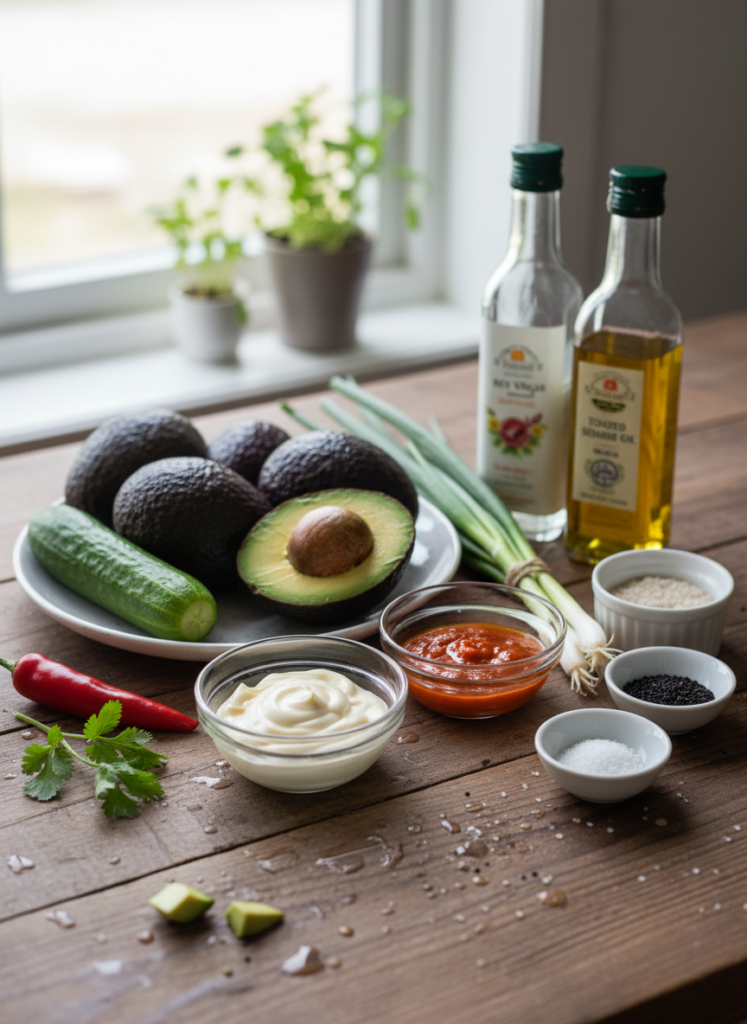
To create the perfect Kani salad dressing, you will need a few specific ingredients. While substitutions are possible, sticking to this list ensures the most authentic flavor.
- Japanese Mayonnaise (Kewpie): This is the non-negotiable star of the show. It comes in a soft squeeze bottle and has a richer flavor than standard mayo.
- Sriracha Sauce: This provides the signature heat and garlic undertone. You can adjust the amount based on your spice tolerance.
- Rice Vinegar: This adds a mild acidity. Ensure you buy unseasoned rice vinegar; if you use seasoned, skip the added sugar.
- Soy Sauce: A splash of soy sauce adds depth and saltiness. Low-sodium varieties work well if you want to control salt intake.
- Granulated Sugar: A small amount helps balance the heat and acidity. Honey or agave syrup can be used as a liquid alternative.
- Sesame Oil: You only need a few drops. Toasted sesame oil provides a nutty aroma that is characteristic of Asian dressings.
- Lemon Juice: Freshly squeezed lemon juice adds a zesty finish that lifts the heavy creaminess of the mayo.
- Toasted Sesame Seeds: Used for texture and garnish within the dressing.
Step-by-Step Instructions
Making the dressing is a quick process, but following the order of operations ensures the best texture and flavor integration.
- Prepare the Base: In a medium-sized mixing bowl, squeeze out approximately half a cup of Japanese mayonnaise. If you are serving a large crowd, you can double this amount.
- Add the Heat and Acid: Add one to two tablespoons of Sriracha, depending on your spice preference. Start with less; you can always add more later. Pour in one teaspoon of rice vinegar and half a teaspoon of fresh lemon juice. Whisk gently to combine.
- Season the Mixture: Add half a teaspoon of soy sauce and half a teaspoon of sugar. Whisk vigorously until the sugar granules have completely dissolved. The mixture should turn a lovely pale salmon-orange color.
- Add Aromatics: Add a quarter teaspoon of toasted sesame oil. Be very careful not to pour too much, as sesame oil is potent and can overpower the other flavors. Stir in a teaspoon of toasted sesame seeds.
- Rest the Dressing: Cover the bowl with plastic wrap and let it sit in the refrigerator for at least 15 to 20 minutes before using. This resting period allows the flavors to meld together and the sugar to fully integrate.
- Taste and Adjust: Before tossing with your crab and cucumber, taste the dressing. If it is too spicy, add a teaspoon more mayo. If it tastes flat, add a tiny splash of lemon juice or a pinch of salt.
How to Store
Because this dressing is mayonnaise-based, proper storage is essential for food safety and flavor retention.
If you have made extra dressing that hasn’t touched the crab or vegetables yet, store it in an airtight container or a glass jar with a tight lid. It will keep well in the refrigerator for 3 to 5 days. You may notice a slight separation of the oils after sitting for a day or two; this is normal. Simply give the jar a vigorous shake or stir it with a whisk before serving to re-emulsify the ingredients.
However, once the dressing has been mixed with the salad (the crab and cucumbers), it should be consumed within 24 hours. The water content from the cucumbers will dilute the dressing over time, causing the salad to become soggy and unappetizing. Never freeze this dressing, as the emulsion in the mayonnaise will break upon thawing, resulting in a separated, oily texture.
Health Benefits
While Kani salad is often viewed as a light appetizer, the dressing is rich and indulgent. However, there are nutritional aspects to consider. The base of the salad usually includes cucumbers, which are high in water content and contain vitamins K and C. The sesame seeds in the dressing provide a small boost of healthy fats and minerals like calcium and magnesium.
If you are using authentic fermentation-based soy sauce and vinegar, you are introducing trace amounts of probiotics beneficial for gut health. However, because the dressing is high in fats from the mayonnaise and sodium from the soy sauce, it is best enjoyed in moderation. For those tracking protein intake, the imitation crab (surimi) that this dressing accompanies is a low-fat source of protein, making the overall dish a reasonably balanced macro-nutrient option when portion sizes are controlled.
Kitchen Tools We Recommend
Product | Product Name | Rating | Check Price |

| Air Fryer (Oil-Free Healthy Cooker) | ; | |

| Chef’s Knife (8-Inch Professional Kitchen Knife) | ; | |

| Stand Mixer (Multi-Function Baking Mixer) | ; | |

| Nonstick Frying Pan (Premium Skillet) | ; | |

| Digital Kitchen Scale (Precise Food Scale) | ; | |

| Blender (High-Speed Smoothie & Sauce Blender) | ; | |

| Measuring Cups & Spoons Set (Stainless Steel) | ; |
Common Mistakes to Avoid
Even with a simple recipe, small errors can alter the final result. Here are the most common pitfalls to avoid when making Kani salad dressing.
* Using the Wrong Mayo: Substituting Kewpie with a sweet American sandwich mayo or a tangy “salad dressing” spread (like Miracle Whip) will drastically change the flavor profile. If you absolutely cannot find Japanese mayo, add extra rice vinegar and a pinch of sugar to regular full-fat mayo to mimic the taste.
* Over-dressing the Salad: Kani salad is meant to be lightly coated, not swimming in sauce. Add the dressing in increments, tossing gently, until the ingredients are just glazed.
* Skipping the Resting Time: Eating the dressing immediately after mixing often results in a sharp, disjointed flavor. Letting it sit allows the garlic in the Sriracha and the sesame oil to permeate the mayonnaise base.
* Forgetting the Texture Contrast: While not part of the liquid dressing, the Panko breadcrumbs are a vital part of the Kani salad experience. Ensure you top the dressed salad with Panko immediately before serving. If you mix the Panko into the wet dressing too early, it will turn into mush.
Alternatives
Culinary creativity allows for several variations of this classic dressing to suit different dietary needs and flavor preferences.
* The “Mango” Twist: For a tropical variation often found in modern sushi spots, puree a quarter cup of ripe mango and whisk it into the dressing. The natural sweetness of the fruit pairs beautifully with the spicy Sriracha.
* Lighter Version: To cut down on calories, substitute half of the mayonnaise with plain Greek yogurt. This adds a tangy probiotic element while maintaining the creamy texture. You may need to increase the sugar slightly to balance the tartness of the yogurt.
* Extra Spicy “Volcano” Dressing: If you love heat, add a pinch of cayenne pepper or Togarashi (Japanese seven-spice blend) to the dressing. You can also mix in a small amount of chili oil for a deeper, smokier heat.
* Gluten-Free Option: To make this dressing gluten-free, ensure you are using a gluten-free Tamari instead of standard soy sauce, and check the label on your imitation crab meat, as many brands use wheat starch as a binder.
FAQ
Can I make this dressing vegan?
Yes. You can substitute the Kewpie mayonnaise with a high-quality vegan mayonnaise. There are actually vegan versions of Japanese-style mayo available in specialty markets. Ensure you also check that your sugar is vegan-certified if that is a concern.
Is imitation crab cooked?
Yes. Imitation crab (Kanikama) is made from pulverized white fish (usually Pollock) that has been cured and cooked. Therefore, Kani salad is generally safe to eat for those who avoid raw fish, and the dressing is safe as it uses pasteurized egg yolks in the mayonnaise.
What else can I use this dressing on?
This dressing is incredibly versatile. It makes a fantastic dipping sauce for fried shrimp, a topping for poke bowls, a spread for spicy tuna burgers, or even a dip for roasted vegetables like broccoli and asparagus.
Why is my dressing too runny?
This usually happens if too much liquid (vinegar, lemon juice, or soy sauce) was added relative to the mayonnaise. To fix it, simply whisk in more mayonnaise one tablespoon at a time until the desired consistency is reached.
Wrapping Up
Creating restaurant-quality Kani salad dressing at home is surprisingly simple and requires only a handful of ingredients. The key lies in sourcing the right mayonnaise and finding that delicate equilibrium between the creamy, spicy, and savory elements. Once you have mastered this dressing, you will find yourself reaching for it not just for crab salads, but as a universal condiment to spice up your weekly meal rotation. Enjoy the crunch, the spice, and the creamy deliciousness of your homemade creation!