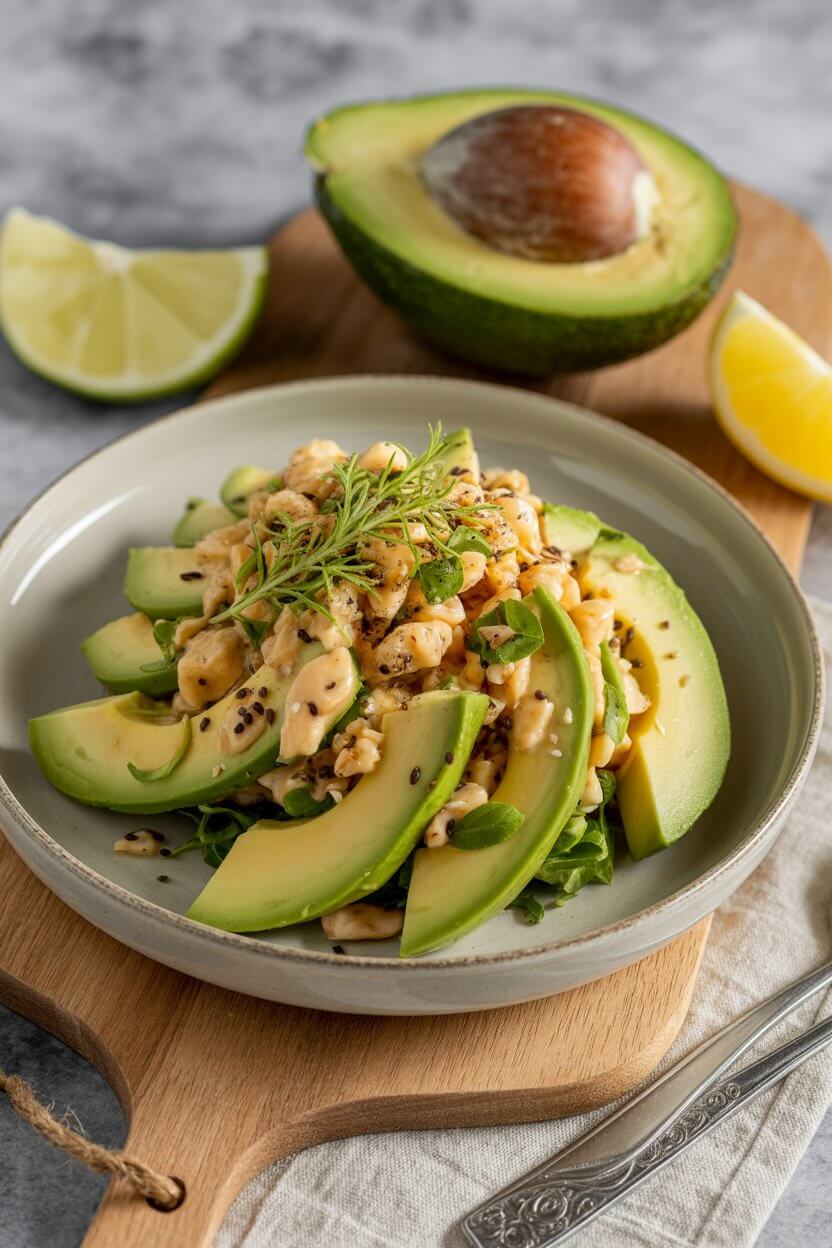
If you have ever dined at a Japanese steakhouse or a sushi restaurant, you have likely encountered the bright, orange-hued appetizer known as Kani Salad. It is a dish that perfectly balances texture and flavor, offering a delightful interplay between sweet, savory, creamy, and crunchy elements. While often overshadowed by sushi rolls and sashimi, this salad has gained a cult following of its own, becoming a staple side dish for seafood lovers.
The star of the show is “kani,” which is the Japanese term for crab. In the context of this salad, it specifically refers to imitation crab sticks, or surimi. When shredded into thin strips and tossed with crisp cucumbers and a rich mayonnaise-based dressing, the result is addictive. However, the addition of avocado takes this classic recipe to an entirely new level. The buttery texture of ripe avocado complements the crunch of the vegetables and the sweetness of the crab, creating a more substantial and luxurious dish.
Making Kani Salad with avocado at home is surprisingly simple. It requires no cooking—only precise cutting and mixing. It is the perfect appetizer for a sushi night at home, a light lunch, or a potluck contribution that looks impressive but takes less than 20 minutes to prepare.
Below, we dive deep into the ingredients, techniques, and secrets to recreating this restaurant favorite in your own kitchen.
Why This Recipe Works
The success of a Kani Salad lies in its contrasts. Culinary satisfaction often comes from a variety of textures in a single bite, and this salad delivers that in spades. You have the fibrous, slightly chewy texture of the shredded crab, the refreshing snap of julienned cucumbers, and the velvety smoothness of fresh avocado.
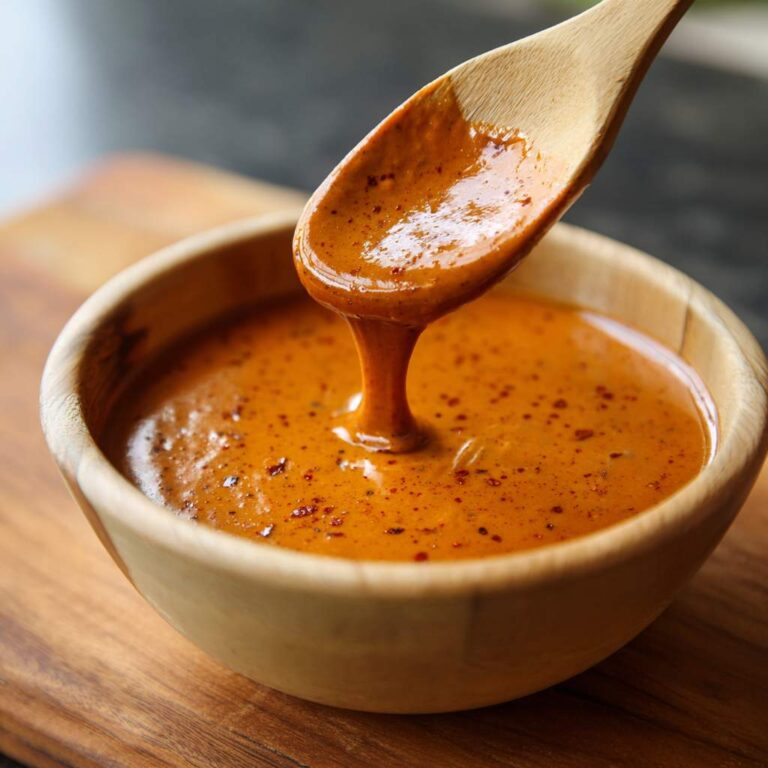
Furthermore, the dressing acts as the unifying element. Traditionally made with Japanese mayonnaise (Kewpie) and Sriracha, the spicy mayo dressing clings to every strand of crab and cucumber. The fat in the mayonnaise carries the flavor, while the heat from the chili sauce cuts through the richness, preventing the dish from feeling too heavy.
Finally, the addition of Panko breadcrumbs (often toasted) as a topping adds a final layer of dry crunch that stays crisp against the creamy dressing. This interplay of “wet” crunch from the cucumber and “dry” crunch from the Panko makes every mouthful interesting.
-Ingredients
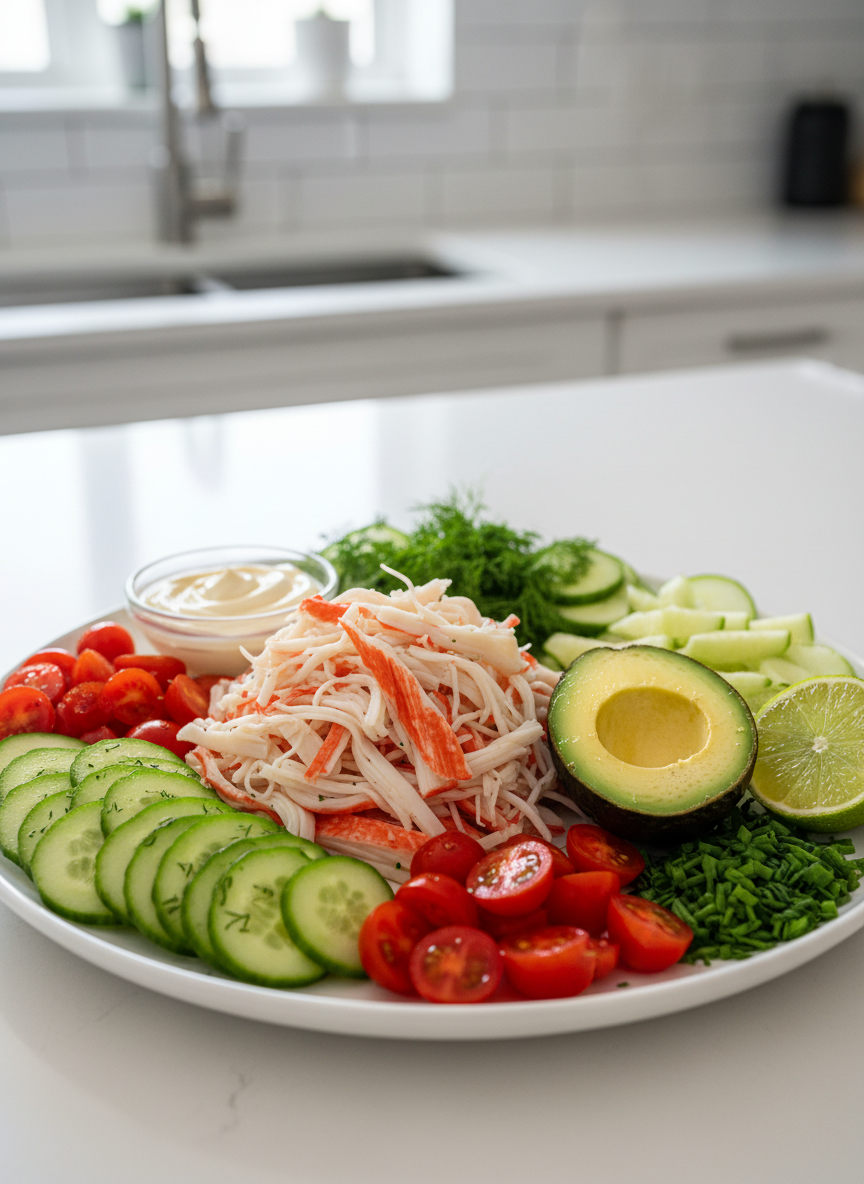
To achieve the authentic taste of a restaurant-style Kani salad, sourcing the right ingredients is crucial. While you can make substitutions, sticking to these core items will yield the best results.
- Imitation Crab (Kani): Look for high-quality surimi sticks. While you can use real crab meat, the texture and sweetness of imitation crab are traditional for this specific salad. It holds up better to the shredding process without turning into mush.
- Cucumbers: English cucumbers or Persian cucumbers are preferred. They have thinner skins and fewer seeds compared to standard garden cucumbers, which means they release less water and stay crunchier.
- Avocado: You want an avocado that is ripe but still firm. If it is too soft, it will disintegrate into the salad and turn it into a guacamole-like mash. It should hold its shape when cubed or sliced.
- Japanese Mayonnaise (Kewpie): This is the secret weapon. Kewpie mayo uses only egg yolks (rather than whole eggs) and rice vinegar, giving it a richer, custard-like texture and a slightly sweeter, umami-packed flavor profile compared to American mayonnaise.
- Sriracha: Adjust the amount based on your heat tolerance. This provides the “spicy” in the spicy mayo.
- Panko Breadcrumbs: These Japanese-style breadcrumbs are lighter and airier than traditional breadcrumbs. Toasting them briefly adds a golden color and essential crunch.
- Optional Mix-ins: Sesame seeds (black or white), shredded carrots for color, or mango strips for sweetness.
How to Make It
Preparation is mostly about knife work. The goal is to get the crab and the cucumber to be roughly the same size and shape so they mix evenly.
- Prepare the Crab: Unwrap the imitation crab sticks. To get thin strands, gently roll the stick between your palms to loosen the layers, then peel them apart into thin strings. Alternatively, you can use a fork to shred them or slice them thinly with a knife. Place the shredded crab in a large mixing bowl.
- Julienne the Cucumber: Wash the cucumber thoroughly. If using an English cucumber, you can leave the skin on for color and crunch. Cut the cucumber into 2-inch lengths. Slice these sections into thin planks, stack them, and cut them into matchsticks. Crucial Step: If the center is very seedy, slice around the core and discard the seeds to prevent a watery salad. add the cucumber to the bowl with the crab.
- Make the Dressing: In a separate small bowl, whisk together the Japanese mayonnaise and Sriracha. If you want a deeper flavor, add a drop of sesame oil or a splash of lemon juice. Taste and adjust the spice level.
- Toast the Panko: In a small dry skillet over medium heat, add the Panko breadcrumbs. Stir constantly for 2-3 minutes until they turn a golden brown. Remove from heat immediately to prevent burning.
- Combine: Pour the dressing over the crab and cucumber mixture. Toss gently using tongs or chopsticks until everything is evenly coated.
- Add the Avocado: Slice the avocado into cubes or thin slices. Gently fold the avocado into the salad. Do this last and with a light hand to ensure the pieces remain intact.
- Garnish and Serve: Transfer the salad to a serving dish. Top generously with the toasted Panko breadcrumbs and a sprinkle of sesame seeds. Serve immediately.
How to Store
Kani Salad with avocado is best enjoyed fresh. However, if you find yourself with leftovers, proper storage is essential to maintain quality.
Store the salad in an airtight container in the refrigerator. It will stay good for about 24 hours. Beyond that, the cucumbers will release water, causing the creamy dressing to separate and become runny. Additionally, the Panko breadcrumbs will absorb moisture and lose their crunch, turning soggy.
If you are meal prepping, store the components separately. Keep the shredded crab and cucumber in one container, the dressing in a small jar, and the uncut avocado on the counter. Mix them just before eating. If the avocado is already cut and mixed in, it may brown slightly due to oxidation, though the mayonnaise coating helps retard this process slightly.
Top-Rated Kitchen Tools
Product | Product Name | Rating | Check Price |

| Air Fryer (Oil-Free Healthy Cooker) | ; | |

| Chef’s Knife (8-Inch Professional Kitchen Knife) | ; | |

| Stand Mixer (Multi-Function Baking Mixer) | ; | |

| Nonstick Frying Pan (Premium Skillet) | ; | |

| Digital Kitchen Scale (Precise Food Scale) | ; | |

| Blender (High-Speed Smoothie & Sauce Blender) | ; | |

| Measuring Cups & Spoons Set (Stainless Steel) | ; |
Health Benefits
While Kani Salad is often viewed as a comfort food due to the mayonnaise, it does offer several nutritional benefits, especially when fortified with avocado.
Avocado: This fruit is a nutritional powerhouse, loaded with heart-healthy monounsaturated fats. It provides fiber, potassium, and vitamins K, C, and E. The fat content in the avocado also helps your body absorb fat-soluble vitamins from the other vegetables in the meal.
Cucumber: Composed mostly of water, cucumbers are excellent for hydration. They are low in calories but provide antioxidants and Vitamin K.
Imitation Crab: Surimi is low in fat and cholesterol compared to many other protein sources. It provides a decent amount of phosphorus and selenium. However, it is a processed food and can be higher in sodium and carbohydrates than real crab meat, so it should be enjoyed in moderation.
Pitfalls to Watch Out For
Even with a simple recipe, there are common mistakes that can ruin the texture of your Kani Salad.
The “Watery Pool”: The biggest enemy of this salad is excess moisture. If you do not remove the seeds from the cucumber, or if you dress the salad too early and let it sit for hours, water will seep out and dilute the spicy mayo. Always deseed your cucumbers and try to dress the salad close to serving time.
The “Mushy” Mix: Over-mixing is a common error. Once the avocado is added, you must be incredibly gentle. If you stir vigorously, the avocado will mash into a green paste, coating the crab in a way that looks unappetizing.
Wrong Crab Texture: Ensure you buy “stick” style imitation crab, not “flake” style. The flake style is designed for chunks in chowders or pasta and does not shred into long, elegant noodles, resulting in a chunky, uneven salad.
Recipe Variations
Once you master the base recipe, there are endless ways to customize it.
Mango Kani Salad: For a tropical twist, add julienned ripe mango. The sweetness of the fruit pairs beautifully with the spicy mayo and salty crab, creating a complex flavor profile.
The “Light” Version: If you are watching your calorie intake, substitute half of the mayonnaise with plain Greek yogurt. You will maintain the creaminess while boosting the protein and lowering the fat content.
Wrapped Kani: Use large leaves of butter lettuce or sheets of Nori (seaweed) to wrap the salad. This turns the side dish into a hand-held snack or a light lunch.
Extra Crunchy: Add shredded carrots or thinly sliced red cabbage to the mix. This adds more color and increases the vegetable content without altering the flavor profile significantly.
FAQ
What exactly is imitation crab (Kani) made of?
Imitation crab is primarily made of surimi, which is a paste made from fish (usually Pollock). The fish is deboned, washed to remove fat and unwanted bits, then minced into a paste. It is mixed with other ingredients like starch, egg whites, sugar, and crab flavoring to mimic the texture and taste of real crab leg meat.
Is this salad gluten-free?
Usually, no. Imitation crab meat often contains wheat starch as a binder. Additionally, soy sauce (if used) and Panko breadcrumbs contain gluten. To make this gluten-free, you must buy certified gluten-free imitation crab, use gluten-free breadcrumbs or crushed pork rinds, and ensure your mayonnaise and hot sauce are certified gluten-free.
Can I use real crab meat?
Absolutely. While the texture will be different (real crab is more delicate and flaky, rather than stringy), the flavor will be superior. Lump crab meat is a luxurious upgrade, though it changes the nostalgic “steakhouse” feel of the dish.
What main dishes go well with Kani Salad?
This salad pairs perfectly with sushi, sashimi, or grilled meats like Teriyaki chicken or beef. It also serves as a great side for Asian-style salmon or a refreshing counterpoint to heavier fried dishes like Tempura.
Final Thoughts
Kani Salad with avocado is more than just a sum of its parts. It is a testament to how simple ingredients, when prepared with care and attention to texture, can create a dish that is crave-worthy and satisfying. Whether you are looking to replicate your favorite hibachi experience or simply want a fresh, creamy salad to add to your rotation, this recipe delivers.
The combination of the spicy, creamy dressing with the cooling cucumber and rich avocado makes it a versatile dish for any season. By following the tips on moisture control and ingredient selection, you can ensure your homemade version rivals any restaurant offering.
So grab some chopsticks, toast that Panko, and enjoy the perfect crunch of a homemade Kani Salad.