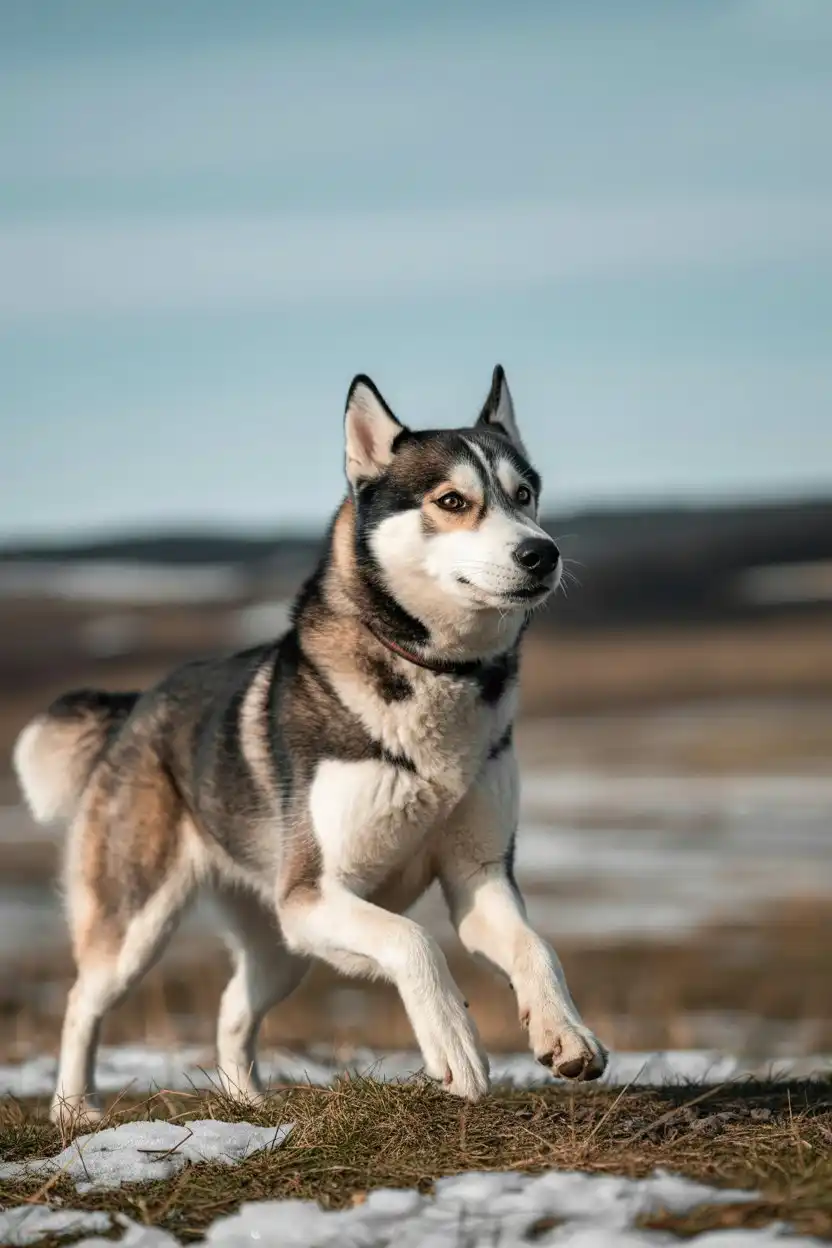
If you’ve started siberian husky training and thought, “My dog hears me… and chooses chaos anyway,” you’re not alone. Huskies are smart, athletic, and independent, which can feel amazing on a hike and impossible in your living room.
Maybe your Husky pulls like a freight train on walks, ignores recall, or turns “sit” into a negotiation. The good news is that you don’t need to “dominate” a Husky to train one.
You need a plan that matches their brain and their energy. In this guide, you’ll learn how to use positive reinforcement to build focus, improve leash manners, strengthen recall, and reduce common Husky struggles like selective listening and escape attempts. 🐾
By the end, you’ll have clear steps you can start today, whether you’re raising a puppy or adopting an adult Husky with habits already in place.
Why This Matters 💡
Strong siberian husky training isn’t about turning your dog into a robot. It’s about creating freedom with safety—the kind where you can take walks without dread, have guests over without stress, and trust your dog more each week.
Most Husky frustration comes from two things: unmet needs and unclear communication. These dogs were built to run and problem-solve, so if training feels boring or confusing, they’ll invent their own activities.
With positive reinforcement, you’ll teach your Husky that listening pays. You’ll also reduce risky behaviors that Huskies are famous for, like bolting through doors, slipping collars, and ignoring recall when something more exciting appears.
Set realistic expectations: you can see improvement in 7–14 days with consistent practice, but reliability around distractions often takes 6–12 weeks. 🧠
🧭 Section 1: Siberian Husky training foundations (focus first) 🎓
Siberian Husky training starts with one skill that makes everything else easier: attention. If your dog can’t look at you when asked, “sit” and “come” won’t stick.
Keep sessions short and upbeat. Huskies learn fast, but they also quit fast if it’s repetitive.
Start in a low-distraction area like your kitchen or hallway. Then move to your yard, then the sidewalk, and only later to busy parks.
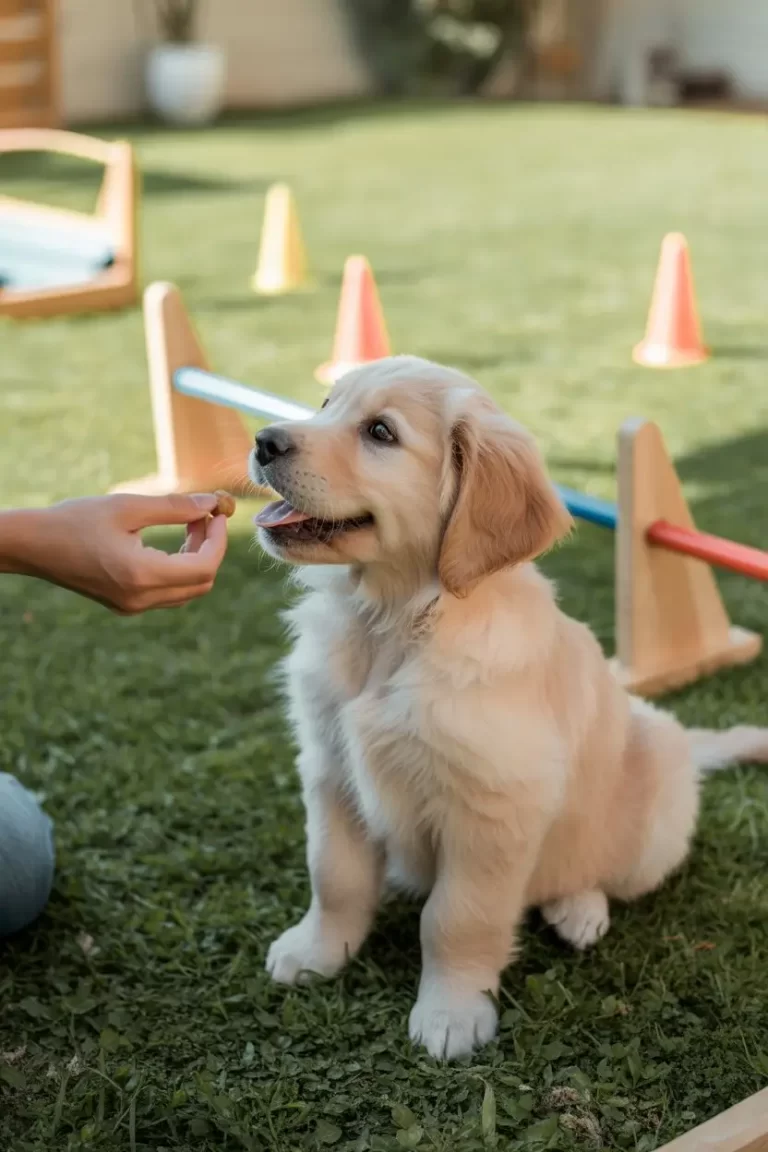
Use a clear marker such as a clicker or a consistent word like yes. The marker tells your Husky exactly which moment earned the reward.
Practical foundation tips:
- Tip: Train before meals so food rewards feel more motivating.
- Tip: Reward eye contact first, not commands, for 2–3 days.
- Tip: Rotate rewards (treats, tug, chase-a-toy) to stay interesting.
Equipment that helps right away:
- Harness: A Y-front harness that doesn’t restrict shoulders
- Leash: A 6 ft leash for walks plus a 15–30 ft long line for recall practice
- Pouch: A treat pouch so rewards are instant
Puppy vs. adult note: puppies need more breaks and more naps. Adult Huskies often need more pre-training exercise (like sniffing walks) before they can focus.
🦮 Section 2: Siberian Husky training steps for leash + recall ✅
Leash pulling and unreliable recall are the two biggest Husky pain points. Teach them in a way that prevents rehearsal of bad habits.
Leash training step-by-step:
- Stand still the moment the leash tightens.
- When your dog turns back even slightly, mark
yesand reward by your leg. - Take 3–5 steps, then reward again while the leash stays loose.
- If pulling returns, stop again and repeat.
Recall training step-by-step (start on a long line):
- Say your cue once:
come. - Run backward 2–3 steps to trigger chase.
- Reward at your legs, then release with
go sniff. - Practice 5 reps, then stop while it’s still fun.
Common mistakes to avoid:
- Mistake: Repeating
come, come, cometeaches your Husky to wait you out. - Mistake: Calling your dog to you, then ending all fun immediately every time.
- Safety: Practicing recall off-leash too early with a breed known for roaming.
Troubleshooting quick fixes:
- Fix: If your Husky ignores you, lower distractions and increase reward value.
- Fix: If pulling explodes at the start, do a 2-minute “find it” treat scatter first.
🏆 Section 3: Advanced Siberian Husky training (real-life reliability) 🏆
Once basics work indoors and in your yard, you’ll “proof” behaviors in the real world. Huskies don’t generalize well, so a perfect sit at home may vanish at the park.
Add distractions gradually. Think of it like leveling up in a game: you don’t fight the boss on day one.
Advanced techniques that work well for Huskies:
- Game: “Name game” (say name → eye contact → reward) in new locations
- Game: “1-2-3 walk” (reward on 3) to build rhythm and reduce pulling
- Skill: Doorway manners—sit, leash clipped, wait, then release
Real-world example:
If your Husky fixates on a squirrel, don’t yank the leash and repeat commands. Step farther away until your dog can take a treat, then reward calm looking.
Success indicators to watch for:
- Sign: Your Husky checks in on walks without being asked.
- Sign: Leash stays loose for 10–20 steps in a row.
- Sign: Recall works on the long line even when mildly distracted.
Puppy vs. adult note: adolescent Huskies (often 6–18 months) may “forget” training. That’s normal—tighten structure and increase rewards.
Video Resource Section 🎥
Common Questions ❓
Q: Why is siberian husky training so hard compared to other breeds? 🐾
A: Huskies are independent and highly stimulated by movement and smells, so your rewards must compete with the environment.
Q: Should I use a prong or shock collar? ⚠️
A: Many owners see fallout like stress or avoidance. Positive reinforcement and management (harness + long line) are safer and build trust.
Q: How long until my Husky stops pulling? 🦮
A: Many teams see improvement in 2 weeks, with big changes by 6–8 weeks if you practice 5–10 minutes daily.
Q: Can an adult rescue Husky still learn? ✅
A: Yes. Adults often learn quickly once routines are consistent and rewards are clear.
Conclusion & Next Steps 🎉
Siberian husky training works best when you build focus first, then teach leash and recall with clear rewards and smart management. Keep sessions short, reward what you want immediately, and use a long line until recall is truly reliable.
This week, pick two goals: loose-leash walking for 5 minutes daily and 5 recall reps on a long line. Track progress, celebrate small wins, and increase distractions slowly. 🐕🦺
If you want to level up next, add doorway manners and calm greetings so your Husky learns that self-control unlocks freedom.